Japan Executes Pachinko Parlour Arsonist Convicted of Killing Five People in 2009 Fire
Japan has executed a man convicted of setting fire to a pachinko parlour in Osaka in 2009, bringing to an end a case that has remained in the country’s criminal justice system for more than 17 years.
Sunao Takami, 58, was hanged on Friday, August 21, 2026, after being convicted of setting fire to a crowded pachinko parlour in Osaka, killing five people and injuring 10 others. The execution was confirmed by Japan’s Justice Ministry and marked the country’s first execution since June 2025.
The execution has once again placed Japan’s use of the death penalty under international scrutiny, while also bringing renewed attention to the devastating 2009 fire and the victims whose lives were lost in the attack.
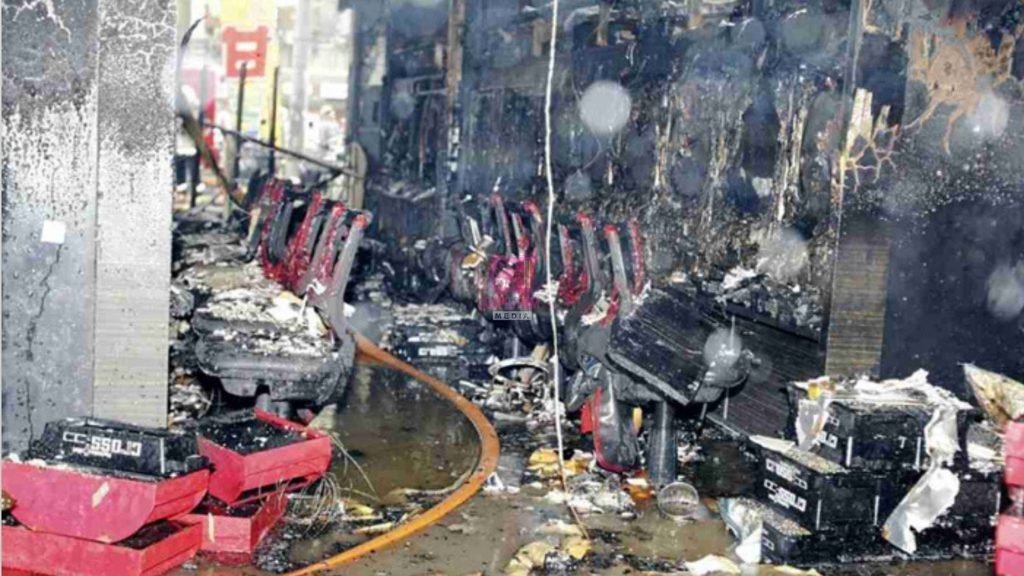
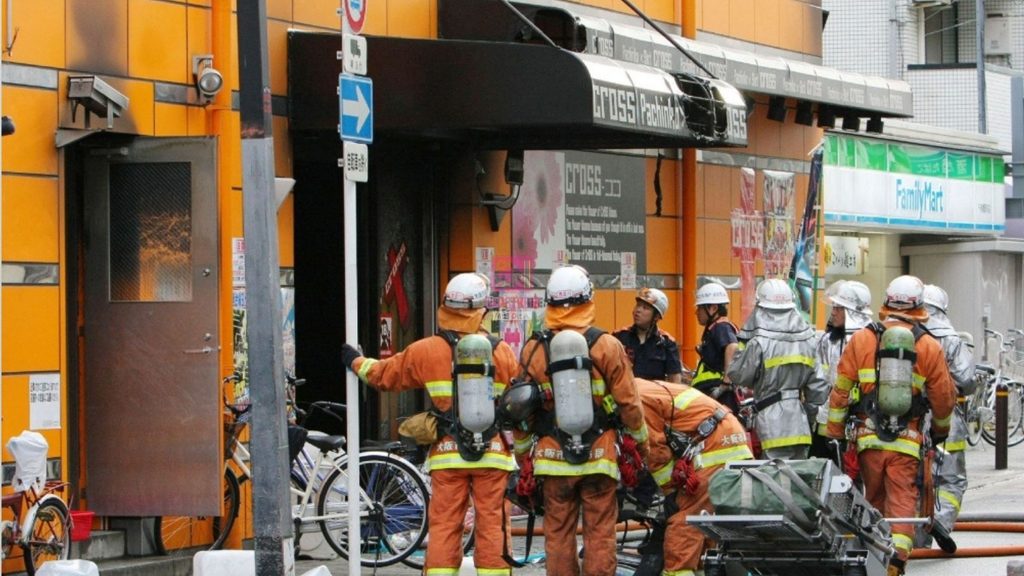
According to authorities, Takami entered the pachinko parlour in Osaka on July 5, 2009, spread gasoline inside the busy establishment and ignited it with a match. The fire rapidly engulfed the premises, leaving people inside with little opportunity to escape. Four customers and one employee were killed, while 10 other people suffered injuries. Some of those injured were left with long-term consequences from the attack.
The incident shocked the local community because of the indiscriminate nature of the attack. The victims were not specifically targeted individuals but people who happened to be inside the entertainment venue at the time.
The fire therefore turned an ordinary day at a popular gaming establishment into a tragedy that would permanently change the lives of numerous families.
Pachinko parlours are a familiar part of Japanese popular culture. The game combines elements of pinball and slot machines, with players using small steel balls in the hope of winning more balls that can be exchanged for prizes. Pachinko venues can be busy, brightly lit and filled with customers, making a fire inside such a premises particularly dangerous.
In the Osaka incident, the presence of gasoline and the rapid spread of flames created an extremely dangerous situation.
The authorities later described the crime as exceptionally serious because of the number of people killed and the indiscriminate manner in which the fire was started.
Takami was arrested after turning himself in the day after the attack. He was subsequently prosecuted on charges including murder, attempted murder and arson.
His case then moved through Japan’s court system.
In 2011, the Osaka District Court sentenced him to death. The defence argued that his mental state, including alleged delusions, should have affected his criminal responsibility. However, the courts determined that he had sufficient responsibility for his actions. The Osaka High Court upheld the death sentence in 2013, and Japan’s Supreme Court rejected his appeal in 2016, making the death sentence final.
The lengthy period between the final court ruling and the execution highlights one of the distinctive characteristics of Japan’s death penalty system.
Unlike some countries where executions are publicly scheduled well in advance, Japanese death-row prisoners are generally notified only shortly before their execution.
Takami was therefore informed about his execution shortly before it was carried out, according to reports on Japan’s execution system. The practice has long been criticised by human rights organisations, which argue that the uncertainty can cause severe psychological suffering for prisoners.
Japanese authorities, however, continue to defend the death penalty for the country’s most serious crimes.
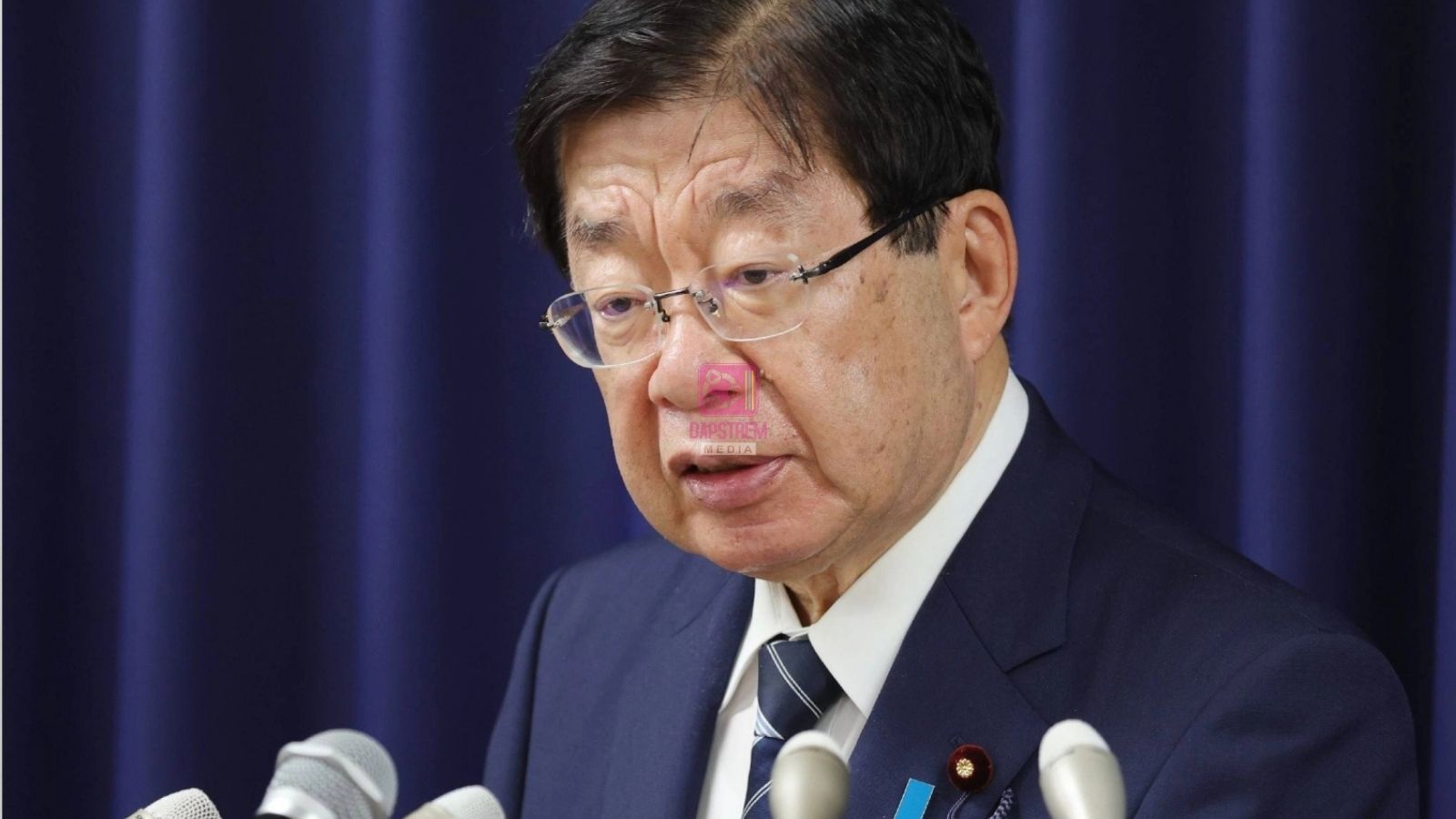
Justice Minister Hiroshi Hiraguchi said the crime had caused extremely serious consequences and inflicted enormous fear and suffering on the victims and wider society. He defended the decision to carry out the sentence, stressing the severity of the crime and its consequences.
The execution also carries political significance because it was the first carried out under Prime Minister Sanae Takaichi’s administration.
It was also the first execution in Japan in approximately 14 months.
The country’s previous execution took place in June 2025, when Takahiro Shiraishi, who had been convicted of murdering nine people he met through social media, was put to death.
The return to executions has once again brought Japan’s death penalty policy into the international spotlight.
Japan remains one of the few developed democracies that continues to retain capital punishment. Alongside the United States, it is one of the only G7 countries where executions remain legal and are carried out.
Support for the death penalty remains relatively strong among the Japanese public, particularly for crimes involving multiple victims or exceptionally serious violence.
Japanese governments have therefore generally resisted calls to abolish capital punishment.
Human rights organisations, however, have repeatedly criticised the country’s system.
Their concerns include the secrecy surrounding executions, the short notice given to prisoners and the continued possibility of wrongful convictions.
Those concerns have become particularly relevant following cases in which Japanese courts overturned convictions or acquitted people after lengthy periods in prison.
One of the most prominent examples was Iwao Hakamada, who spent decades on death row before being acquitted in a retrial in 2024. His case became a powerful reminder of the potentially irreversible consequences of capital punishment.
Once an execution has been carried out, there is no possibility of correcting a wrongful conviction.
This is one of the central arguments used by opponents of the death penalty.
Supporters, on the other hand, argue that the most serious crimes demand the strongest possible punishment and that the death penalty provides justice for victims and their families.
The debate is particularly intense in cases involving multiple murders, terrorist attacks or crimes that cause widespread public fear.
The Osaka pachinko case falls into that category because five people died and 10 others were injured in a deliberately started fire.
For the families of those killed, the execution may represent a final stage in a painful legal process that began more than a decade ago.
But the death of the convicted offender cannot undo the events of July 2009.
Five people lost their lives, while others were left with physical and emotional scars.
The families of the victims have spent years living with the consequences.
Their stories also demonstrate how a single criminal act can affect people far beyond the immediate victims.
Parents can lose children.
Children can lose parents.
Spouses can suddenly become widows or widowers.
Friends and colleagues can be left struggling to understand why someone they knew was suddenly taken away.
For survivors, the memory of the fire can also remain deeply traumatic.
The execution therefore closes one chapter of the legal case but does not necessarily erase the emotional consequences for those affected.
The attack also highlighted the dangers that fires can pose in crowded public spaces.
Entertainment venues, restaurants, shopping centres and other enclosed establishments depend heavily on effective fire prevention and evacuation systems.
When a fire is deliberately started using a highly flammable substance, the danger becomes even greater.
The Osaka incident consequently remains an important reminder of the importance of emergency preparedness and public safety.
For Japan, however, the biggest discussion following the execution is likely to focus on the death penalty itself.
The country currently has about 100 people on death row, according to the Associated Press, although dozens are seeking retrials.
That means Takami’s execution is unlikely to be the end of the country’s capital punishment debate.
Questions will continue to be raised over when executions should be carried out, how prisoners are informed, whether the process should be made more transparent and whether Japan should ultimately abolish the death penalty.
The Japanese government has so far shown little indication that it intends to abandon capital punishment.
Officials continue to argue that the system is supported by public opinion and remains appropriate for the most serious crimes.
Yet critics argue that public support should not be the only consideration when the punishment is irreversible.
The issue becomes even more complicated when cases involve disputed evidence or questions about mental competence.
In Takami’s case, the defence had argued that his mental condition affected his responsibility, but the courts ultimately rejected that argument and maintained the death sentence.
The case therefore demonstrates the high threshold that defendants must overcome when challenging a death sentence in Japan.
Another issue concerns the timing of executions.
Japan’s death penalty system has traditionally operated with considerable secrecy. Prisoners can be informed only hours before they are executed, while families, lawyers and the wider public may receive information only after the execution has taken place.
Supporters of the system argue that advance notice could create additional psychological distress or allow prisoners to experience prolonged anxiety.
Critics, however, say that secrecy prevents meaningful public scrutiny.
They argue that capital punishment should be subject to the highest possible level of transparency because the state is taking a person’s life.
The execution of Takami has therefore reopened an old argument that has not been resolved in Japan.
Is the death penalty an appropriate form of justice for the most serious crimes, or does the state cross an important moral and legal boundary when it deliberately takes the life of a prisoner?
There is no easy answer.
For victims’ families, punishment can represent recognition of the enormous harm they suffered.
For human rights advocates, however, justice does not necessarily require another death.
The debate is particularly difficult because both sides focus on different aspects of justice.
One side emphasises accountability and the suffering of victims.
The other emphasises human rights, the possibility of judicial error and the irreversible nature of execution.
The Osaka case is likely to remain part of that discussion for years.
It also comes at a time when Japan is experiencing broader debates about crime, punishment and public safety.
Although Japan generally has a relatively low violent crime rate compared with many countries, individual cases involving extreme violence can have a profound effect on public attitudes.
Highly publicised crimes often lead to demands for strong punishment.
The government must therefore balance public expectations with its obligations under domestic law and international human rights standards.
For now, Japan has chosen to retain the death penalty.
The execution of Sunao Takami demonstrates that the country continues to regard capital punishment as an appropriate response to certain exceptionally serious crimes.
But the controversy surrounding the practice shows that the question is far from settled.
The 2009 pachinko parlour fire itself remains the central reason for the execution.
Five people died simply because they happened to be inside the venue when the attacker started the fire.
Ten others survived but suffered injuries.
The consequences have continued for more than 17 years.
The legal process moved slowly through the courts, with the death sentence eventually becoming final in 2016.
Takami then remained on death row until Friday’s execution.
His death brings the criminal proceedings against him to an end, but it does not end the broader questions raised by the case.
Japan must continue to decide how it wants to administer its justice system, particularly when the punishment involved is irreversible.
The country must also confront the concerns surrounding transparency and the possibility of wrongful convictions.
For the victims’ families, meanwhile, the hope may simply be that the conclusion of the case provides some measure of closure.
Nothing can restore the lives lost in the Osaka fire.
Nothing can erase the injuries suffered by survivors.
But the legal system has now delivered its final punishment against the man responsible.
The execution marks a significant moment in Japan’s criminal justice system, not only because of the crime itself but because it represents the country’s return to capital punishment after more than a year without an execution.
It is the first such case under Prime Minister Sanae Takaichi’s government and is likely to fuel renewed debate over the future of the death penalty in Japan.
As that debate continues, the Osaka pachinko parlour tragedy remains a stark reminder of the devastating consequences of deliberate violence.
More than a decade after the fire, the names and lives of the five victims remain at the heart of the story.
Their deaths transformed a routine day at a popular entertainment venue into one of Osaka’s most painful criminal cases, and the execution of the convicted attacker has now brought the legal chapter of that tragedy to a close.