
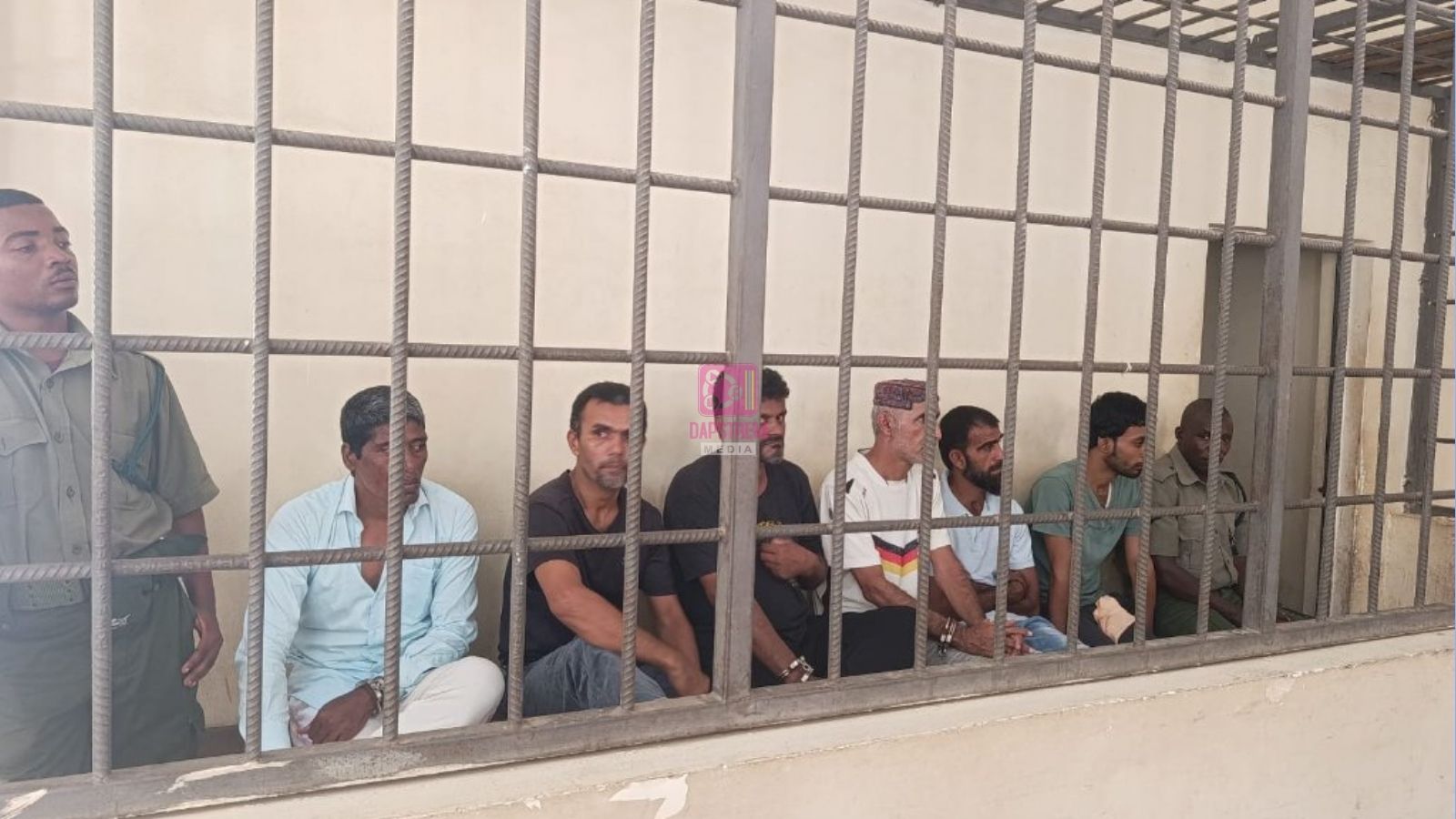
ODPP concludes its case after calling 12 witnesses as six Iranian nationals remain on trial over the alleged trafficking of more than one tonne of methamphetamine valued at over KSh 8.2 billion.
The Office of the Director of Public Prosecutions (ODPP) has formally closed its case against six Iranian nationals facing charges of trafficking more than one tonne of methamphetamine with an estimated street value of over KSh 8.2 billion. The development marks a significant milestone in one of Kenya’s largest and most closely watched drug trafficking cases, with the matter now moving to the next stage of the judicial process.
After presenting its evidence, the prosecution concluded its case having called a total of 12 witnesses to testify before the court. Prosecutors told the court that the massive consignment of methamphetamine was recovered from a stateless vessel intercepted off the Kenyan coast in October 2025 during a major anti-narcotics operation.
Although the prosecution has now completed presenting its evidence, the six accused persons remain charged with drug trafficking. The court has directed both the prosecution and the defence to file their written submissions within 14 days before the case returns for mention on July 13, 2026. Those submissions are expected to guide the court as it determines the next course of action in the trial.
The case has attracted widespread public interest due to the sheer quantity of narcotics allegedly involved and the sophistication of the operation described during the proceedings. If the prosecution’s allegations are proven, the seizure would rank among the largest methamphetamine interceptions in Kenya’s history and underscore the country’s continuing role in the global fight against transnational drug trafficking.
According to the prosecution, law enforcement agencies intercepted a vessel operating without nationality, commonly referred to as a stateless vessel, in Kenyan waters in October 2025. Such vessels often attract heightened scrutiny from maritime authorities because they are not registered under the flag of any recognized state, making it difficult to establish ownership, jurisdiction, and accountability.
International maritime law permits authorities to investigate stateless vessels under certain circumstances, particularly where there is reasonable suspicion of criminal activities such as piracy, human trafficking, arms smuggling, or narcotics trafficking. Prosecutors argued that investigations following the interception led to the recovery of more than one tonne of methamphetamine allegedly linked to the accused persons.
Methamphetamine is a powerful synthetic stimulant that is classified as an illicit narcotic in many countries due to its highly addictive nature and devastating effects on users. The drug stimulates the central nervous system, producing temporary feelings of increased energy and alertness but carrying severe long-term health consequences, including addiction, cardiovascular complications, neurological damage, and serious mental health disorders.
Globally, methamphetamine trafficking has become a major concern for law enforcement agencies because criminal syndicates often operate across multiple countries using sophisticated transportation networks. Large shipments frequently move by sea, exploiting international shipping routes to transport narcotics across continents before distribution through regional criminal organizations.
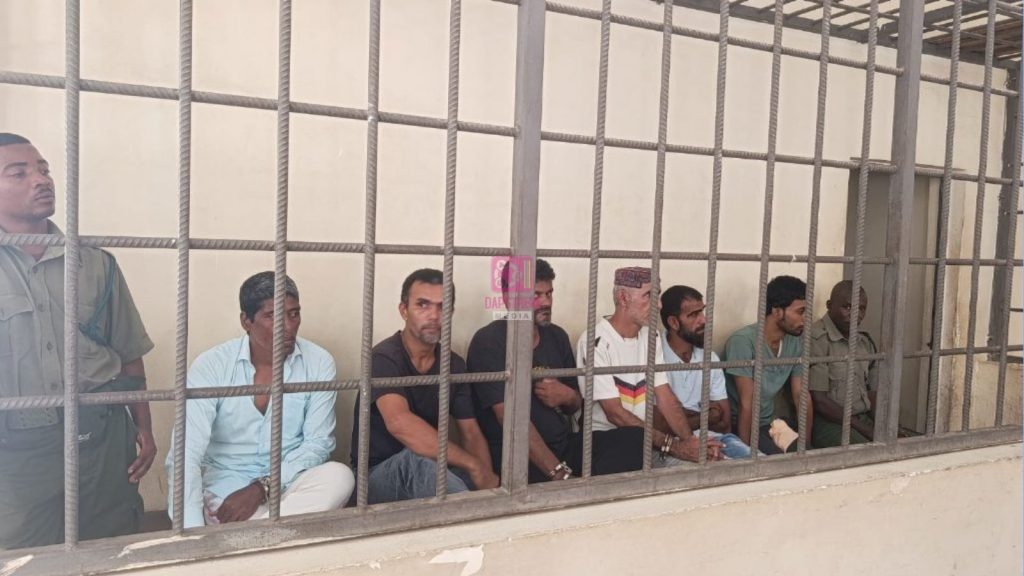
Kenya’s strategic position along the Indian Ocean has made the country an important maritime gateway for regional trade. However, that same geographical advantage has also presented challenges for security agencies tasked with preventing illegal trafficking of narcotics, weapons, wildlife products, and other forms of transnational organized crime.
Over the years, Kenyan authorities have significantly strengthened maritime surveillance through cooperation between the Kenya Navy, the Kenya Coast Guard Service, the Directorate of Criminal Investigations, customs officials, and international partners. Intelligence sharing and coordinated patrols have become increasingly important in disrupting criminal networks operating across international waters.
The prosecution’s case relied on testimony from twelve witnesses, who presented evidence intended to support the charges against the six accused individuals. Although details of every witness’s testimony have not been publicly disclosed in full, prosecutors sought to establish the circumstances surrounding the interception of the vessel, the recovery of the narcotics, the handling of evidence, forensic examinations, and the alleged connection between the accused persons and the seized drugs.
Now that the prosecution has formally closed its case, attention shifts to the legal arguments that will determine whether the matter proceeds further. The written submissions ordered by the court will allow both sides to present their interpretation of the evidence and applicable law.
The prosecution is expected to argue that the evidence presented establishes sufficient grounds for the case to continue, while the defence will likely challenge aspects of the prosecution’s evidence, the credibility of witnesses, the legality of investigative procedures, or the sufficiency of the evidence linking the accused to the alleged offences.
Following consideration of those submissions, the court will determine the appropriate next step in accordance with Kenyan criminal procedure. Depending on its findings, the case may proceed to the defence stage if the court concludes that the prosecution has established a case requiring an answer. Throughout the proceedings, however, the six accused persons continue to enjoy the constitutional presumption of innocence unless and until proven guilty by a court of law.
The case also highlights Kenya’s broader efforts to combat narcotics trafficking and organized transnational crime. Successive governments have intensified anti-drug operations in response to growing concerns about the social, economic, and security consequences associated with illicit drug trade.
Drug trafficking remains one of the most profitable forms of organized crime globally, generating billions of dollars annually for criminal networks. These organizations often exploit weaknesses in border controls, maritime security, financial systems, and international coordination to move illicit substances across jurisdictions.
For Kenya, combating drug trafficking is not only a domestic security priority but also an international obligation. The country works closely with regional and global partners under various conventions aimed at suppressing narcotics trafficking, strengthening border security, and improving intelligence sharing among law enforcement agencies.
Legal experts note that large-scale narcotics cases often involve complex investigations requiring cooperation across multiple jurisdictions. Gathering evidence from maritime operations, conducting forensic analyses, tracing financial transactions, and coordinating with international authorities can significantly extend the duration of criminal proceedings.
The high monetary value attached to the seized methamphetamine—estimated at more than KSh 8.2 billion—illustrates the enormous financial stakes involved in international narcotics trafficking. Criminal organizations operating at this scale often possess extensive logistical capabilities, making successful investigations particularly challenging.
Beyond criminal prosecution, authorities continue to emphasize preventive measures aimed at reducing demand for illicit drugs through public education, rehabilitation services, and community awareness campaigns. Addressing drug trafficking effectively requires both strong law enforcement and broader public health interventions designed to reduce substance abuse and protect vulnerable communities.
As the case returns to court on July 13, attention will focus on the legal submissions filed by both parties and the court’s assessment of the prosecution’s evidence. The outcome will determine whether the proceedings advance to the next phase of the trial or take another procedural direction under the law.
For now, the conclusion of the prosecution’s case represents an important procedural milestone rather than the end of the matter. The judicial process remains ongoing, and the court will ultimately determine the case based on the evidence presented, the legal arguments advanced by both sides, and the applicable provisions of Kenyan law.
The proceedings serve as another reminder of the critical role played by the justice system in addressing complex transnational crimes while safeguarding the constitutional rights of every accused person. As Kenya continues strengthening its fight against international drug trafficking, cases of this magnitude underscore both the scale of the challenge and the importance of ensuring that justice is administered fairly, transparently, and in accordance with the rule of law.