

New national survey shows an estimated 4.7 million Kenyans are using drugs, with Mombasa recording the highest prevalence as experts call for stronger prevention, treatment, and rehabilitation efforts.
A new national survey has painted a concerning picture of substance use in Kenya, revealing that approximately 4.7 million people are currently using drugs, with one in every six adults affected. The findings have renewed calls for stronger prevention programs, improved access to treatment and rehabilitation services, and greater collaboration among government agencies, healthcare providers, communities, and families to address what experts describe as a growing public health challenge.
According to the survey, Mombasa County recorded the highest prevalence of drug use, placing the coastal region at the center of renewed discussions on substance abuse and its social, economic, and health consequences. The report highlights the urgent need for targeted interventions in areas identified as having particularly high rates of drug use while emphasizing that the problem extends far beyond a single county.
The findings illustrate the scale of a challenge that has evolved over many years. Drug use in Kenya affects individuals across different age groups, genders, educational backgrounds, and economic levels. While certain regions continue to report higher prevalence rates, experts caution that substance use has become a nationwide concern requiring coordinated responses rather than isolated interventions.
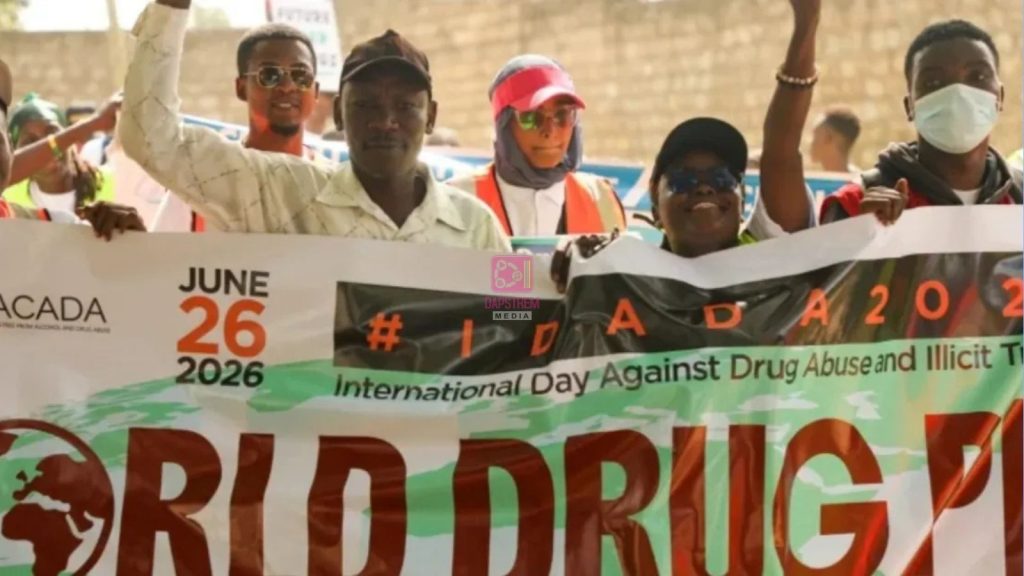
The estimate of 4.7 million users means a significant proportion of Kenya’s adult population is consuming one or more psychoactive substances. Public health specialists warn that such widespread use has implications not only for individual health but also for families, workplaces, schools, healthcare systems, and national productivity.
Drug use encompasses a broad range of substances, including alcohol, tobacco, cannabis, prescription medications used without medical supervision, inhalants, stimulants, opioids, and other illicit drugs. Patterns of use vary considerably depending on age, location, availability, socioeconomic conditions, and cultural influences.
The survey’s finding that one out of every six adults is affected underscores the magnitude of the issue. Substance use disorders can contribute to physical illness, mental health challenges, addiction, family breakdown, reduced educational attainment, unemployment, financial hardship, and increased involvement with the criminal justice system. These effects often extend beyond the individual user, impacting spouses, children, parents, employers, and entire communities.
Mombasa’s position as the county with the highest prevalence has attracted particular attention due to its strategic location as Kenya’s principal port city. Experts have long noted that coastal regions face unique vulnerabilities linked to international trade routes, urbanization, tourism, population mobility, and the trafficking of illicit substances. While these factors alone do not explain substance use, they may influence patterns of availability and distribution.
The county has previously implemented various initiatives aimed at addressing addiction, including community awareness campaigns, rehabilitation programs, school-based prevention efforts, and partnerships between county authorities and national agencies. Nevertheless, the latest findings suggest that sustained and expanded interventions remain necessary.
Health professionals emphasize that substance use should primarily be viewed as a public health issue rather than solely a criminal justice concern. While law enforcement plays a critical role in disrupting drug trafficking networks and reducing the supply of illegal substances, effective responses also require prevention, early intervention, treatment, counselling, rehabilitation, and long-term recovery support.

Mental health has become an increasingly important component of discussions surrounding substance use. Many individuals struggling with addiction also experience anxiety, depression, trauma, or other psychological conditions that require professional care. Integrated treatment approaches addressing both addiction and mental health are widely regarded as essential for improving recovery outcomes.
Young people remain one of the groups most vulnerable to substance use. Experts point to peer influence, unemployment, academic pressure, social media exposure, family instability, and economic hardship as some of the factors that may increase the risk of experimentation with drugs. Early prevention programs targeting children and adolescents are therefore considered among the most effective strategies for reducing future addiction.
Educational institutions continue to play a central role in prevention efforts. Schools, colleges, and universities have increasingly incorporated substance abuse awareness into student support programs while encouraging learners to make informed choices and seek help when needed. Teachers, counsellors, and parents are often encouraged to identify early warning signs and provide timely support.
Families also play an essential role in prevention and recovery. Research consistently shows that supportive family environments, open communication, and positive parental involvement can significantly reduce the likelihood of harmful substance use among young people. Conversely, unresolved family conflict, neglect, and exposure to substance use within the household may increase vulnerability.
The economic consequences of widespread drug use are equally significant. Addiction can reduce workplace productivity, increase healthcare costs, contribute to absenteeism, and place additional pressure on public health systems. Employers may also face challenges related to workplace safety, employee well-being, and reduced efficiency where substance abuse is prevalent.
Healthcare providers have continued to advocate for expanded rehabilitation services throughout the country. While Kenya has made progress in establishing treatment centres, demand often exceeds available capacity, particularly in regions experiencing higher prevalence rates. Increasing access to affordable rehabilitation, counselling, and community-based recovery programs remains a key priority identified by public health experts.
The survey’s findings also reinforce the importance of evidence-based policymaking. Reliable national data enables government agencies and development partners to allocate resources more effectively, identify high-risk populations, and evaluate the success of ongoing prevention and treatment initiatives. Regular surveys provide valuable insight into changing trends and emerging challenges within the country’s substance use landscape.
Law enforcement agencies continue to intensify efforts against drug trafficking networks responsible for importing, manufacturing, and distributing illegal narcotics. Kenya’s geographical location has made it both a transit corridor and a destination for certain illicit substances, requiring sustained cooperation between domestic authorities and international partners to combat organized criminal networks.
However, specialists caution that reducing supply alone cannot eliminate substance use. Successful long-term strategies require balanced approaches that combine law enforcement with prevention, healthcare, education, community engagement, and social support. Addressing the root causes of addiction—including poverty, unemployment, limited educational opportunities, trauma, and mental health challenges—is considered equally important.
Community organizations, faith-based institutions, youth groups, and civil society organizations have increasingly joined national efforts by offering awareness campaigns, mentorship programs, counselling services, and reintegration support for individuals recovering from addiction. Their involvement has become an important component of Kenya’s broader response to substance use.
The latest survey serves as a reminder that addiction is a complex issue requiring compassion, evidence-based interventions, and sustained commitment from all sectors of society. While the statistics are concerning, experts believe meaningful progress is possible through coordinated action involving government, healthcare providers, educators, families, employers, and local communities.
As policymakers review the survey’s findings, greater attention is expected to focus on strengthening prevention strategies, expanding rehabilitation services, improving mental health care, and intensifying public education campaigns. Investments in these areas could help reduce the long-term social and economic costs associated with substance use while improving the well-being of millions of Kenyans.
Ultimately, the report highlights both the scale of the challenge and the urgency of collective action. With an estimated 4.7 million Kenyans using drugs and one in six adults affected, the findings underscore the need for comprehensive national responses that prioritize prevention, treatment, recovery, and public awareness. Addressing substance use effectively will require sustained collaboration across every level of society to protect individuals, strengthen families, and build healthier communities for future generations.