Equatorial Guinea’s Prime Minister and Ministers Resign After Missing Performance Targets as President Obiang Prepares New Appointments
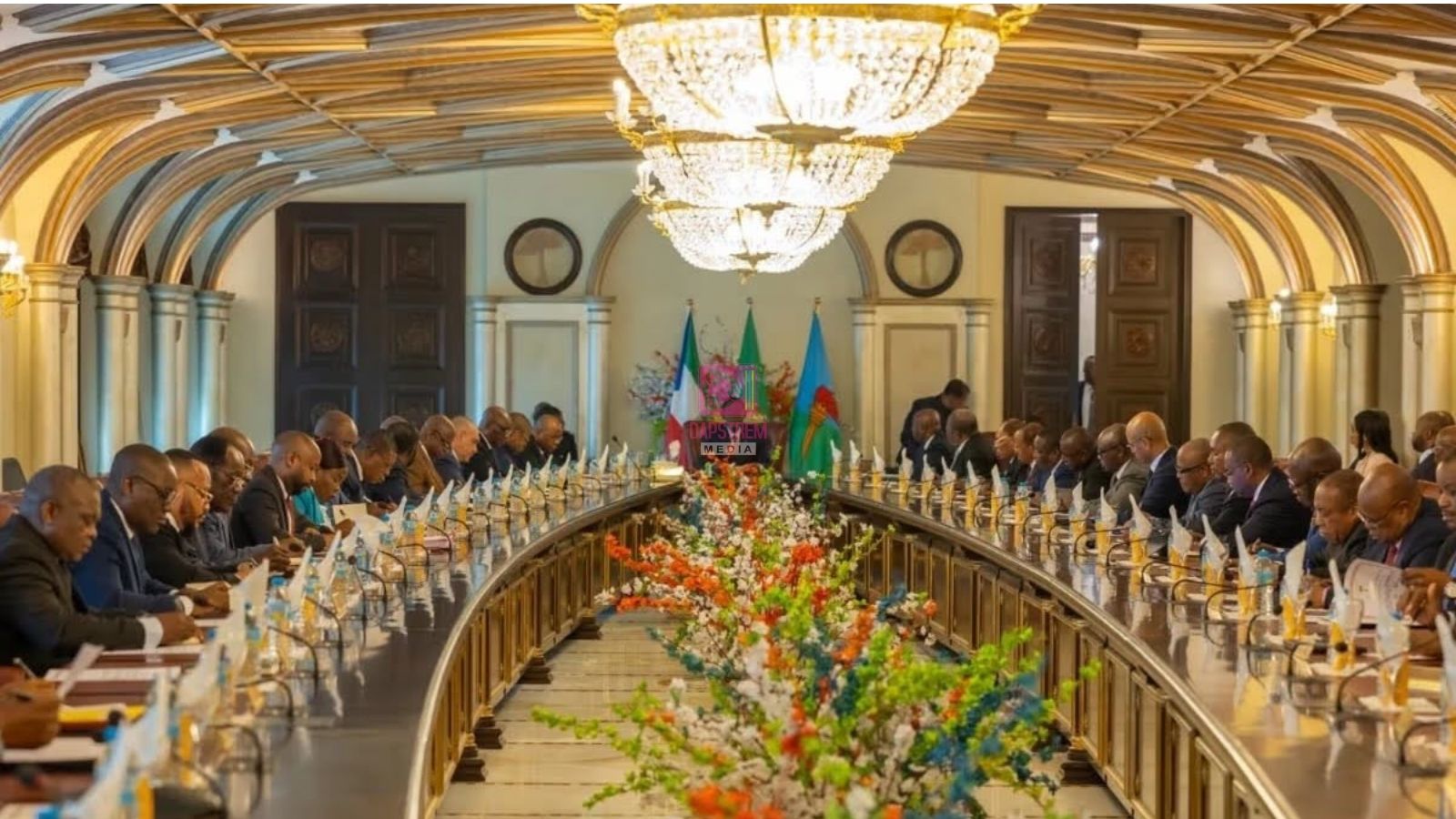
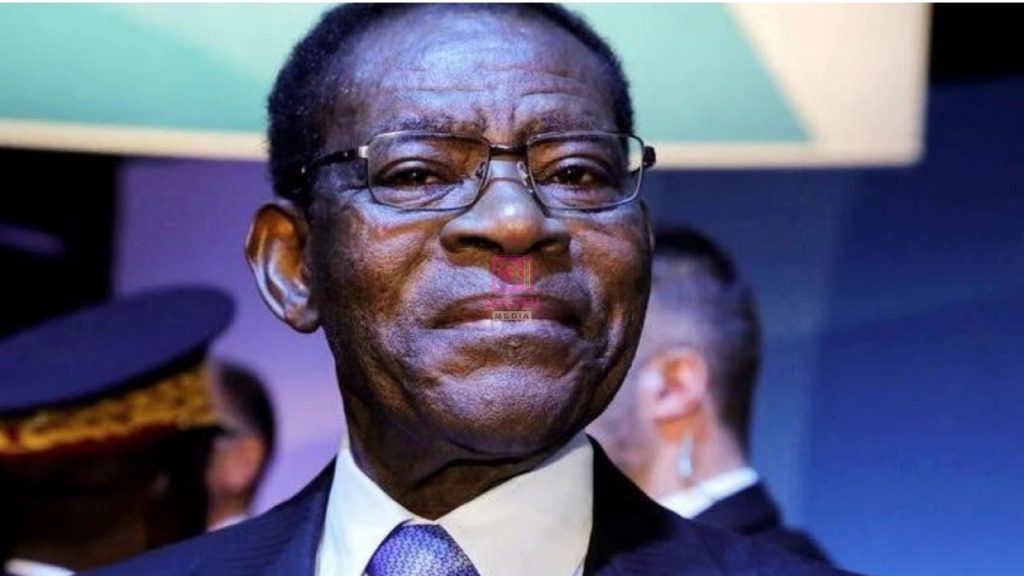
Equatorial Guinea has entered a significant period of political transition following the resignation of Prime Minister Manuel Osa Nsue Nsua and members of his cabinet after reportedly failing to meet performance targets set by the government. The development has drawn attention across Africa and beyond, not only because of the scale of the resignations but also because it comes under the leadership of President Teodoro Obiang Nguema Mbasogo, the world’s longest-serving current head of state, who has ruled the Central African nation since 1979.
The resignations mark one of the most notable political developments in Equatorial Guinea in recent years. They reflect the government’s growing emphasis on accountability and performance within public institutions at a time when many African nations are facing increasing pressure to improve governance, strengthen service delivery, and address economic challenges affecting ordinary citizens.
President Obiang, who has led the country for more than four decades, is now expected to appoint a new prime minister and cabinet team tasked with implementing government priorities and accelerating national development programs. The changes come amid expectations that the administration will seek to inject fresh energy into government operations while addressing concerns about efficiency and results.
The decision to step down reportedly followed an evaluation process that measured the performance of government ministries against specific objectives and targets. While details regarding the exact benchmarks have not been fully disclosed, the resignations suggest that the administration is taking a more results-oriented approach to governance, with leaders expected to demonstrate measurable progress in their respective areas of responsibility.
For many observers, the move represents an unusual moment in African politics, where cabinet reshuffles are often driven by political calculations, coalition-building efforts, or electoral considerations. In this case, the resignations appear to be linked directly to performance assessments, signaling a different approach to public administration.
Equatorial Guinea is one of Africa’s most resource-rich nations on a per-capita basis due to its significant oil and gas reserves. The discovery of offshore oil in the 1990s transformed the country’s economy and generated substantial revenues, helping it achieve one of the highest gross domestic product figures per capita in sub-Saharan Africa. However, despite its natural wealth, the country has faced persistent challenges related to economic diversification, infrastructure development, employment creation, and the equitable distribution of national resources.
Over the years, the government has repeatedly emphasized the need to reduce dependence on oil revenues and expand other sectors such as agriculture, fisheries, tourism, manufacturing, and services. Achieving these objectives has remained a central component of national development plans, particularly as global energy markets continue to evolve and countries seek alternatives to fossil fuels.
The resignation of the prime minister and cabinet members is therefore being viewed through the lens of these broader economic ambitions. Government officials are expected to demonstrate progress in implementing reforms designed to modernize the economy and improve the quality of life for citizens. Failure to achieve these goals can have far-reaching consequences for national development and public confidence.
President Obiang’s leadership has been one of the defining features of Equatorial Guinea’s modern political history. He came to power in August 1979 after overthrowing his uncle, Francisco Macías Nguema, in a military coup. Since then, he has remained at the helm of government through multiple elections and constitutional changes, overseeing dramatic transformations in the country’s economic fortunes and international standing.
Supporters of President Obiang often point to improvements in infrastructure, education, healthcare facilities, and economic growth during his tenure. The country has invested heavily in roads, airports, government buildings, and urban development projects, many of which were funded through oil revenues. These investments have helped modernize parts of the nation and improve connectivity between regions.
Critics, however, have argued that Equatorial Guinea continues to face governance challenges, including concerns about political freedoms, transparency, and the concentration of power. International organizations and human rights groups have frequently called for greater political openness and stronger democratic institutions. These debates have accompanied much of the country’s development journey over the past several decades.
Against this backdrop, the resignation of an entire cabinet is likely to be interpreted in different ways. Some analysts view it as evidence that the government is serious about enforcing accountability among senior officials. Others may see it as an opportunity for the administration to reorganize itself and reposition key ministries to better respond to emerging challenges.
The appointment of a new cabinet will be closely watched both domestically and internationally. Citizens will be eager to see whether the incoming team brings new ideas and approaches capable of addressing longstanding concerns. Investors and international partners will also pay close attention to the changes, particularly given Equatorial Guinea’s importance in Africa’s energy sector.
The incoming administration is expected to face a complex set of priorities. Economic diversification remains a pressing challenge as the country seeks to reduce reliance on oil revenues. Job creation, especially for young people, is another critical issue requiring sustained attention. Improving public services, enhancing government efficiency, and attracting investment into non-oil sectors are likely to feature prominently on the agenda of the next cabinet.
The transition also comes at a time when many African governments are reassessing how they measure the effectiveness of public officials. Across the continent, there is growing demand for performance-based governance, where leaders are evaluated not merely on political loyalty but on their ability to deliver tangible results. Citizens increasingly expect governments to provide quality services, create economic opportunities, and respond effectively to national challenges.
In this context, Equatorial Guinea’s decision to hold ministers accountable for unmet targets may resonate beyond its borders. Other governments may view the move as an example of how performance evaluations can be incorporated into public administration systems. Whether the approach ultimately succeeds will depend on the effectiveness of the new appointments and the results achieved in the coming years.
For President Obiang, the cabinet overhaul represents another major decision in a presidency that has already spanned nearly half a century. His next appointments will shape not only the direction of government policy but also public perceptions of the administration’s commitment to reform and development.
As Equatorial Guinea awaits the announcement of a new prime minister and cabinet, attention will remain focused on what these changes mean for the country’s future. The resignations have created an opportunity for renewal within government, but they have also raised expectations about the pace of progress and the delivery of national priorities.
The coming months will reveal whether the new leadership team can meet those expectations and translate government objectives into measurable outcomes. For now, the resignation of the prime minister and ministers stands as a powerful reminder that in modern governance, performance and accountability are becoming increasingly important measures of political leadership and public service.