Senator Sifuna Ousted from Senate Energy Committee as Kajwang Takes Over in Major Shake-Up
The political landscape within Kenya’s Senate has once again shifted following significant changes announced in the membership of key parliamentary committees. In the latest reshuffle, Nairobi Senator Edwin Sifuna has been removed from the influential Senate Energy Committee and replaced by Homa Bay Senator Moses Kajwang.
The changes were formally communicated by Senate Majority Leader Aaron Cheruiyot, signaling yet another development in the evolving relationship between political parties and their representatives within parliamentary structures. The move has immediately attracted attention from political observers, particularly because Sifuna has been one of the most vocal and visible members of the Senate and a prominent figure within the Orange Democratic Movement (ODM).
With the changes taking effect, Sifuna will no longer serve on the Energy Committee, one of the Senate’s most significant oversight committees. The committee plays a critical role in scrutinizing matters relating to energy policy, electricity distribution, petroleum regulation, renewable energy initiatives, and other strategic sectors that directly affect Kenya’s economy and development agenda.
The committee is chaired by Siaya Senator Oburu Odinga, a veteran politician and the ODM Party Leader. Sifuna’s removal therefore places him outside a committee that has been associated with some of the party’s senior leadership figures and has been at the center of discussions involving major national projects and government policies.
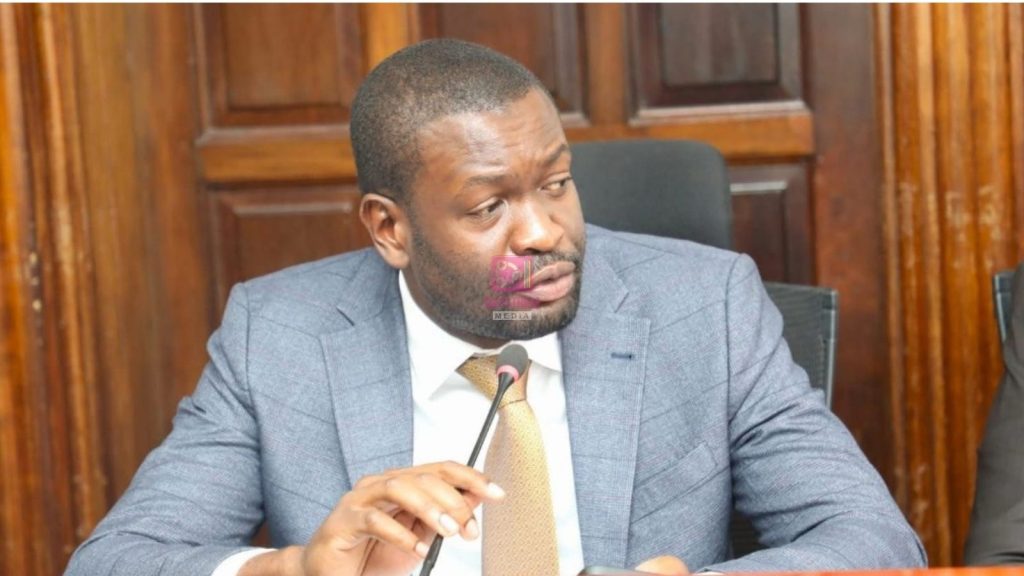
The announcement comes at a time when parliamentary committees continue to play an increasingly important role in shaping legislation and overseeing government operations. Membership in such committees is often viewed as politically significant because it provides senators with a platform to influence policy decisions, engage directly with government agencies, and represent the interests of their constituents on critical national matters.
For Senator Sifuna, the development is likely to spark debate both within ODM and among the wider political class. The Nairobi Senator has built a reputation as a fearless debater and outspoken leader who rarely shies away from expressing his views on national issues. Since entering the Senate, he has consistently been among the most visible opposition voices, frequently challenging government policies while defending his party’s positions on various matters.
His tenure in the Energy Committee was marked by active participation in discussions surrounding energy reforms, fuel pricing concerns, electricity costs, and the broader challenges facing Kenya’s energy sector. Through committee engagements and Senate debates, Sifuna often positioned himself as an advocate for accountability and transparency in public institutions.
The decision to replace him with Moses Kajwang introduces another experienced legislator into the committee. Kajwang, who serves as the Senator for Homa Bay County, is widely regarded as one of the most articulate lawmakers in Parliament. Over the years, he has gained recognition for his strong grasp of governance issues, public finance, and legislative oversight.
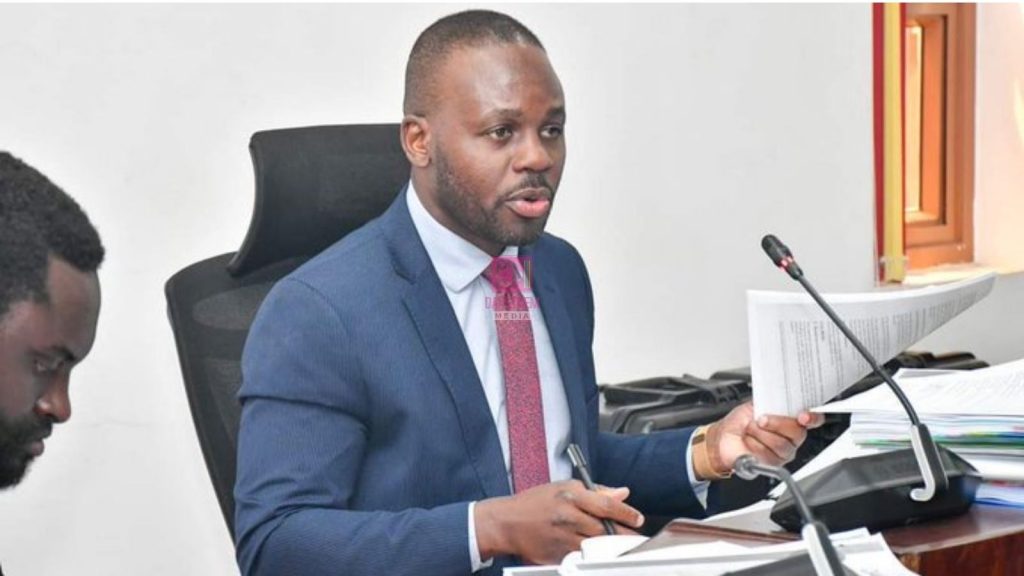
His appointment to the Energy Committee is expected to strengthen the committee’s work given his extensive parliamentary experience. Political analysts suggest that Kajwang’s inclusion could influence the committee’s direction as it continues handling crucial matters affecting the country’s energy future.
Beyond the immediate committee changes, the reshuffle is likely to fuel speculation about the broader political calculations taking place within Parliament. Committee assignments are often viewed as indicators of internal party dynamics, coalition negotiations, and strategic positioning ahead of future political contests.
In Kenya’s parliamentary system, committees serve as the engine rooms of legislative work. Much of the detailed examination of bills, policies, and government expenditures takes place within these committees before matters reach the Senate floor. As a result, appointments and removals are rarely viewed as routine administrative decisions. Instead, they often carry political significance and can influence the visibility and influence of individual legislators.
Observers are therefore keen to understand the circumstances surrounding Sifuna’s removal and whether it reflects wider political considerations. While no official explanation has been provided beyond the announcement of the changes, the move has already generated discussion across political circles and social media platforms.
Supporters of the Nairobi Senator argue that his vocal style and willingness to challenge prevailing political narratives have made him one of the most effective opposition figures in recent years. They view his removal from the committee as a notable development that could affect how he engages with key policy discussions going forward.
At the same time, others point out that parliamentary committee changes are common and often form part of efforts to balance representation, distribute responsibilities among members, and enhance the effectiveness of legislative oversight. From this perspective, the appointment of Moses Kajwang may simply represent a strategic reorganization aimed at maximizing the strengths of different senators.
The development also places renewed focus on the Energy Committee itself. Kenya’s energy sector remains central to the country’s economic ambitions, with ongoing investments in renewable energy, electricity connectivity, petroleum infrastructure, and regional energy integration projects. The committee’s oversight role therefore carries substantial weight, making any change in its composition noteworthy.
As the Senate resumes its legislative and oversight duties, attention will now turn to how both Sifuna and Kajwang navigate their respective roles. While Kajwang prepares to join the committee’s work, Sifuna is expected to continue playing a prominent role in national politics through other parliamentary platforms and Senate engagements.
Whether the reshuffle represents a routine administrative adjustment or signals deeper political developments remains a subject of discussion. What is certain is that the removal of one of ODM’s most outspoken senators from a key committee and the appointment of another experienced party figure has added a new chapter to the ongoing story of parliamentary politics in Kenya.
As lawmakers continue to shape policies that affect millions of Kenyans, committee memberships will remain a crucial aspect of political influence, legislative effectiveness, and party strategy. The latest changes involving Edwin Sifuna and Moses Kajwang underscore just how important these positions remain within the country’s democratic institutions.