Former President Uhuru Kenyatta Lands in Gabon for High-Level African Peace and Security Summit
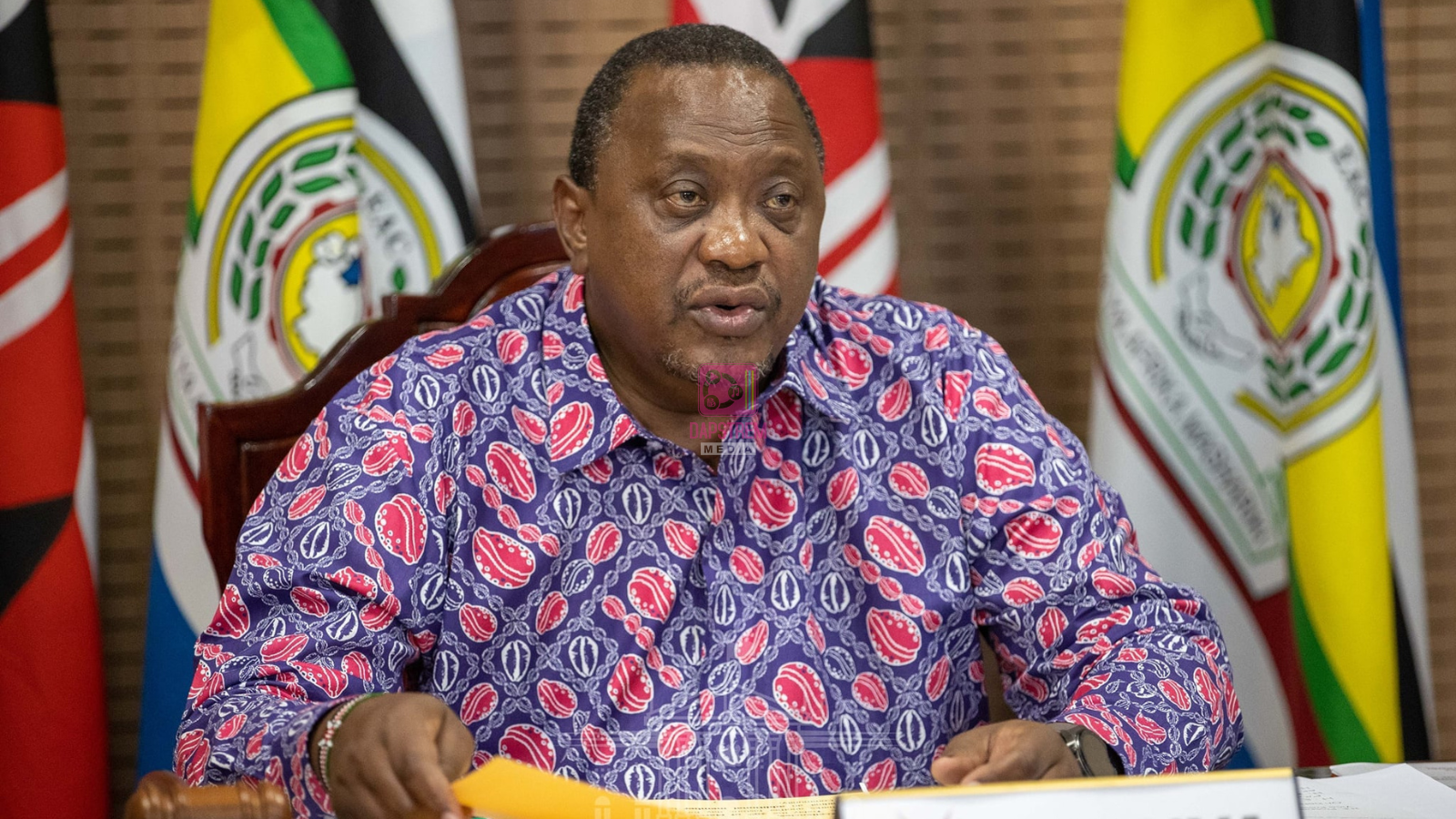
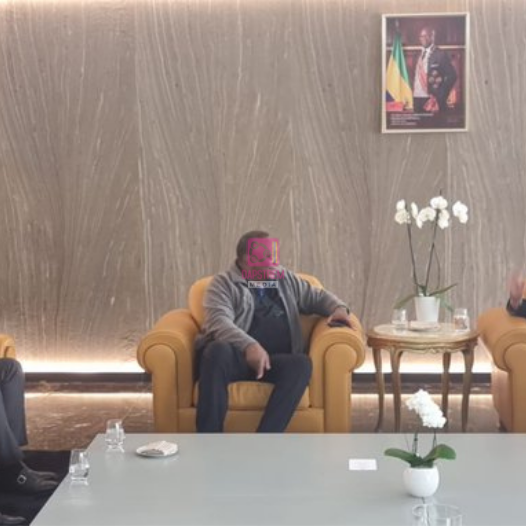
Former Kenyan President Uhuru Kenyatta has arrived in Gabon for the 17th High-Level Retreat on the Promotion of Peace, Security and Stability in Africa, a major continental forum bringing together former heads of state, diplomats, mediators, scholars and peace-building experts from across the continent.
The retreat, being held in the capital city of Libreville, comes at a time when Africa continues to face growing political, economic and security challenges ranging from armed conflicts and terrorism to unconstitutional changes of government, climate-related instability and electoral tensions in several countries. Uhuru’s attendance at the summit once again places him at the center of continental diplomacy, years after leaving office in Kenya.
Since retiring from the presidency in 2022, Uhuru has increasingly taken on the role of an African statesman and peace envoy, frequently participating in mediation efforts, regional dialogue and governance discussions under the umbrella of regional and continental organizations. His presence in Gabon reflects his expanding influence beyond Kenya’s borders and his growing involvement in efforts aimed at strengthening peace and democratic stability across Africa.
The High-Level Retreat is organized to provide African leaders and policy experts with a platform to evaluate emerging threats to stability while proposing long-term African-led solutions to conflicts affecting the continent. Discussions at this year’s meeting are expected to focus heavily on instability in the Sahel region, political transitions in West and Central Africa, the ongoing conflict in Sudan, security concerns in the Horn of Africa, and the need for stronger democratic institutions.
Uhuru is expected to participate in high-level panel discussions and closed-door consultations involving former presidents and senior African Union officials. Sources close to the summit indicate that his experience in regional diplomacy and mediation will be valuable during conversations surrounding conflict prevention, peaceful transfer of power and strengthening governance structures across Africa.
Over the last few years, Uhuru has quietly become one of Africa’s recognizable voices in peace diplomacy. During his tenure as Kenya’s president from 2013 to 2022, he played a significant role in regional integration efforts through the East African Community and often pushed for cooperation among African states on trade, infrastructure and security.
His post-presidency work has largely revolved around mediation and conflict resolution. Uhuru has previously been involved in peace initiatives linked to the Democratic Republic of Congo through the East African Community-led Nairobi peace process, where he engaged political leaders, rebel groups and civil society organizations in attempts to reduce violence in eastern Congo.
That role elevated his profile as a mediator capable of engaging complex political and security situations. Analysts say his calm diplomatic style and experience dealing with regional politics have made him a trusted figure in continental peace discussions.
The summit in Libreville is also expected to examine the growing trend of military coups in parts of Africa. In recent years, countries including Niger, Mali, Burkina Faso and Guinea have experienced political upheavals that have raised concerns among African leaders about the future of democratic governance on the continent.
Participants at the retreat are likely to debate how African institutions can respond more effectively to governance crises while balancing the demands of sovereignty, democracy and security. Many African experts argue that while coups remain unconstitutional, they are often symptoms of deeper governance failures including corruption, economic inequality, insecurity and weak institutions.
Uhuru has in the past spoken about the importance of inclusive leadership, youth empowerment and economic transformation as key pillars for maintaining stability in Africa. Political observers expect him to reiterate the need for African governments to prioritize opportunities for young people, strengthen institutions and address economic frustrations that continue to fuel unrest in many countries.
Africa’s peace and security agenda has become increasingly urgent amid multiple ongoing crises. The devastating war in Sudan has displaced millions of people and triggered one of the world’s worst humanitarian emergencies. In the eastern Democratic Republic of Congo, armed rebel groups continue to destabilize communities despite regional peace interventions. Terror groups linked to extremist organizations remain active in the Sahel and parts of East Africa, while political tensions continue to emerge around elections in several nations.
Against that backdrop, forums such as the Libreville retreat have gained importance as African leaders seek homegrown solutions to continental challenges rather than relying solely on external powers.
For Uhuru, the trip to Gabon also signals his continued relevance in African affairs despite largely maintaining a lower profile in Kenyan day-to-day politics since leaving office. While his successor President William Ruto leads Kenya’s current administration, Uhuru has increasingly positioned himself as a senior continental figure focused on diplomacy, governance and regional stability.
His involvement in continental initiatives has also strengthened Kenya’s historical role as a regional diplomatic hub. Nairobi has long hosted major peace negotiations involving countries such as Sudan, South Sudan, Somalia and the Democratic Republic of Congo. Kenyan leaders have traditionally played mediation roles within the African Union and regional blocs, and Uhuru’s activities continue that legacy even after leaving office.
The Libreville retreat is expected to conclude with recommendations aimed at improving cooperation between African governments, regional bodies and civil society organizations in responding to conflicts and political crises. Delegates are also expected to call for increased investment in preventive diplomacy, stronger electoral systems and better mechanisms for protecting democratic institutions.
As discussions continue in Gabon, many will be watching Uhuru Kenyatta’s contribution closely, particularly because of his growing stature as one of Africa’s elder statesmen involved in peace-building efforts. His participation reflects the broader recognition that former African leaders can continue shaping the continent’s future long after leaving office.
Uhuru’s appearance at the summit is not just another diplomatic engagement. It is part of a larger story about Africa’s search for stability, unity and sustainable leadership at a time when the continent faces some of its most complicated political and security tests in decades.