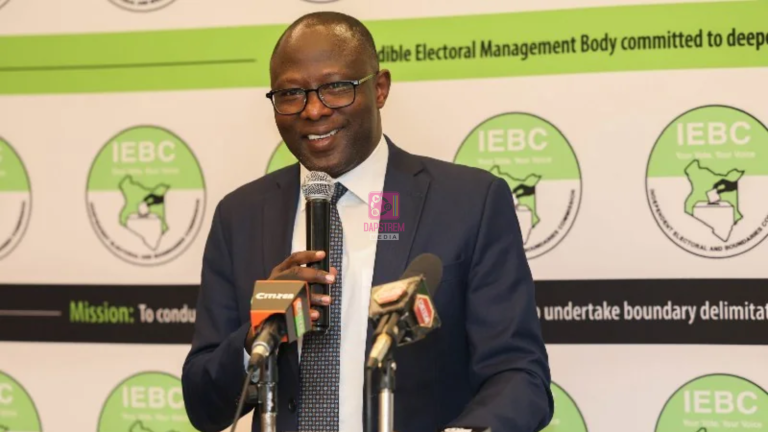

Murang’a governor Irungu Kang’ata declares UDA exit, citing internal party rifts, lack of grassroots consultation, and the need to better serve county interests
Murang’a Governor Irungu Kang’ata has sent ripples through Kenya’s political landscape after announcing his exit from the United Democratic Alliance (UDA), a party that has been central to the country’s current administration. His decision, revealed in a carefully worded public address and reinforced through his official social media platforms, marks a significant shift not only for Murang’a County politics but also for the broader Mt. Kenya region, which has been widely perceived as a stronghold of UDA.
Kang’ata made the announcement in early May 2026 during a press briefing held in Murang’a County, where he addressed local leaders, supporters, and members of the press. The statement was later circulated through his verified social media accounts, ensuring it reached a national audience almost instantly. In his address, the governor struck a measured tone, emphasizing that his decision had not been made lightly but was the result of prolonged reflection and consultation with his constituents and political allies.
At the heart of Kang’ata’s departure are concerns he raised about internal party dynamics and what he described as a growing disconnect between the party leadership and grassroots expectations. He pointed to frustrations over what he termed as inadequate consultation in key decision-making processes, arguing that the voices of local leaders and ordinary citizens were increasingly being sidelined. According to him, this had created a governance gap that made it difficult for leaders at the county level to effectively represent the interests of their people while remaining aligned with the party.
The governor also alluded to policy disagreements that had deepened over time. While he did not delve into every specific issue, he highlighted economic and development priorities as areas where he felt his vision for Murang’a County was not fully supported within the party framework. Kang’ata suggested that his administration had, on several occasions, been forced to navigate challenges without the level of backing he had anticipated from the ruling party, especially in pushing for local development initiatives and addressing cost-of-living concerns among residents.
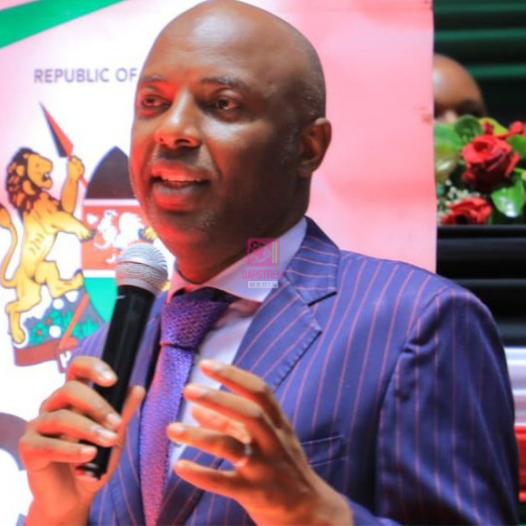
His exit from UDA comes at a time when political realignments are beginning to take shape ahead of future electoral cycles. Observers note that leaders from the Mt. Kenya region have increasingly been vocal about their expectations regarding resource allocation, political inclusion, and development commitments. Kang’ata’s move may therefore be interpreted as part of a broader pattern of recalibration within the region, where leaders are seeking to assert greater independence or renegotiate their political positioning.
Despite stepping away from UDA, Kang’ata was quick to clarify that his decision does not signal a retreat from public service or his commitment to Murang’a residents. Instead, he framed it as an opportunity to pursue a more independent political path that he believes will better serve his constituents. He reiterated that his primary focus remains on delivering tangible development outcomes, improving infrastructure, supporting farmers, and enhancing social services across the county.
The announcement has elicited mixed reactions from political stakeholders. Some leaders have expressed support for his decision, praising it as a bold step toward political accountability and responsiveness to local needs. Others, however, have criticized the move, arguing that internal party issues should be resolved through dialogue rather than public exits, especially for leaders elected under a party ticket.
Within Murang’a County itself, residents appear divided. While a section of the electorate views Kang’ata as a leader willing to stand by his principles, others are concerned about the potential implications of his departure on the county’s relationship with the national government, particularly in terms of funding and collaborative development projects.
Kang’ata’s political journey has been closely watched over the years. Having previously served as a senator before becoming governor, he built a reputation as an outspoken and sometimes unconventional leader, unafraid to challenge prevailing narratives. His exit from UDA adds another chapter to that narrative, reinforcing his image as a politician willing to take calculated risks in pursuit of what he believes to be the right course of action.
As the political dust settles, attention will now turn to Kang’ata’s next steps. Whether he aligns with another political outfit, forms a new movement, or continues as an independent figure remains to be seen. What is clear, however, is that his decision has injected fresh momentum into political discourse in the Mt. Kenya region and beyond.
In the coming weeks, the reactions from UDA leadership, including key figures within the party, will likely shape the next phase of this unfolding story. For now, Kang’ata’s departure stands as a reminder of the evolving and often unpredictable nature of Kenyan politics, where alliances shift and leaders continually reassess their positions in response to changing political and social dynamics.