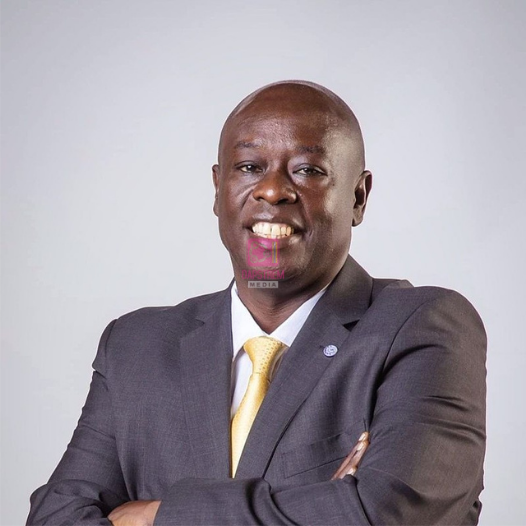
Rigathi Gachagua Shifts Legal Battle from Reinstatement to Benefits and Constitutional Declaration After Impeachment
Former Deputy President Rigathi Gachagua has officially shifted his legal strategy, dropping his earlier push for reinstatement as Deputy President and instead seeking to secure his benefits as a former holder of the office. The move marks a significant development in his ongoing legal and political battle following his controversial impeachment, which has remained one of the most closely watched constitutional and political events in Kenya in recent times.
Gachagua’s impeachment process was concluded in late 2024 after both the National Assembly and the Senate voted in favour of his removal from office. The process, which was preceded by months of political tension and public disagreement within the executive leadership, saw him accused of multiple allegations that were tabled before Parliament. Following the Senate’s approval of the impeachment motion, he was officially removed from office, triggering immediate legal challenges questioning the constitutionality of the entire process.
Soon after his removal, Gachagua moved to court seeking to challenge the legality of the impeachment. He argued that the process was flawed, politically motivated, and did not adhere to constitutional standards required for the removal of a sitting Deputy President. His initial prayers to the court included seeking reinstatement to office, a move that placed the judiciary at the center of a highly sensitive political dispute.
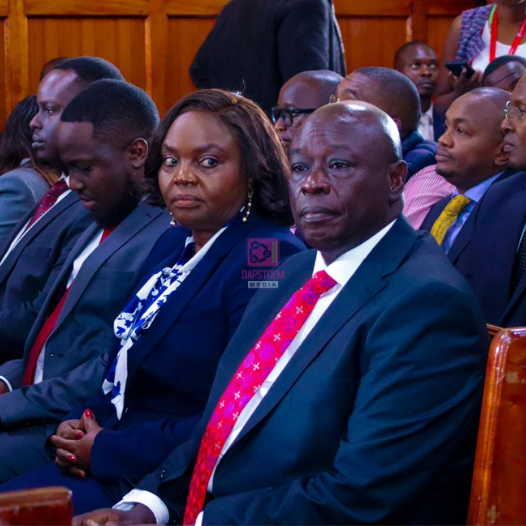
In his most recent appearance before the High Court in Nairobi, Gachagua, accompanied by his legal team and close political allies, informed the court that he was no longer pursuing reinstatement. Instead, he is now focusing on being formally recognized as a former Deputy President entitled to all constitutional retirement benefits and privileges attached to the office. He is also seeking declarations that his impeachment was unconstitutional, arguing that the process violated his rights to a fair hearing and due process.
His lawyers maintained that the impeachment proceedings were rushed and politically influenced, and therefore cannot stand constitutional scrutiny. They further argued that even though he is no longer seeking to return to office, the court must still determine the legality of the process because it directly affects his entitlements, reputation, and future public standing.
The shift in strategy has been interpreted by political observers as a tactical move, narrowing the scope of the case from reinstatement—which is often difficult to achieve in constitutional office disputes—to financial and legal recognition as a former Deputy President. Under Kenyan law, former holders of high office are entitled to pensions, security, and other post-office benefits, but these are only guaranteed if the exit from office is deemed lawful.
The case has attracted significant public attention due to Gachagua’s political profile and his previously central role in government. His impeachment marked a dramatic fall from one of the most powerful positions in the country, and his continued court battles have kept him in the political spotlight even after leaving office. The hearings have also drawn interest from constitutional experts, who view the case as potentially important in shaping how future impeachment proceedings are handled in Kenya.
While inside court, proceedings have largely focused on legal arguments over constitutional interpretation, procedural fairness, and the threshold required for impeachment of a Deputy President. The government side has consistently maintained that the process followed parliamentary procedure and was valid under the Constitution, while Gachagua’s side insists that political interference compromised the integrity of the outcome.
Outside the courtroom, the case continues to fuel political debate, with supporters viewing him as a victim of political realignment, while critics argue that impeachment is a legitimate constitutional tool when properly applied. The ongoing litigation is expected to determine not only his personal entitlements but also set a precedent for how similar high-level impeachment cases may be handled in the future.
As the matter continues before the courts, Gachagua remains firm that his rights must be protected regardless of the political outcome, insisting that constitutional processes must be respected even in politically charged environments. The High Court is expected to issue further directions as the case proceeds, keeping the former Deputy President at the center of national attention both legally and politically.