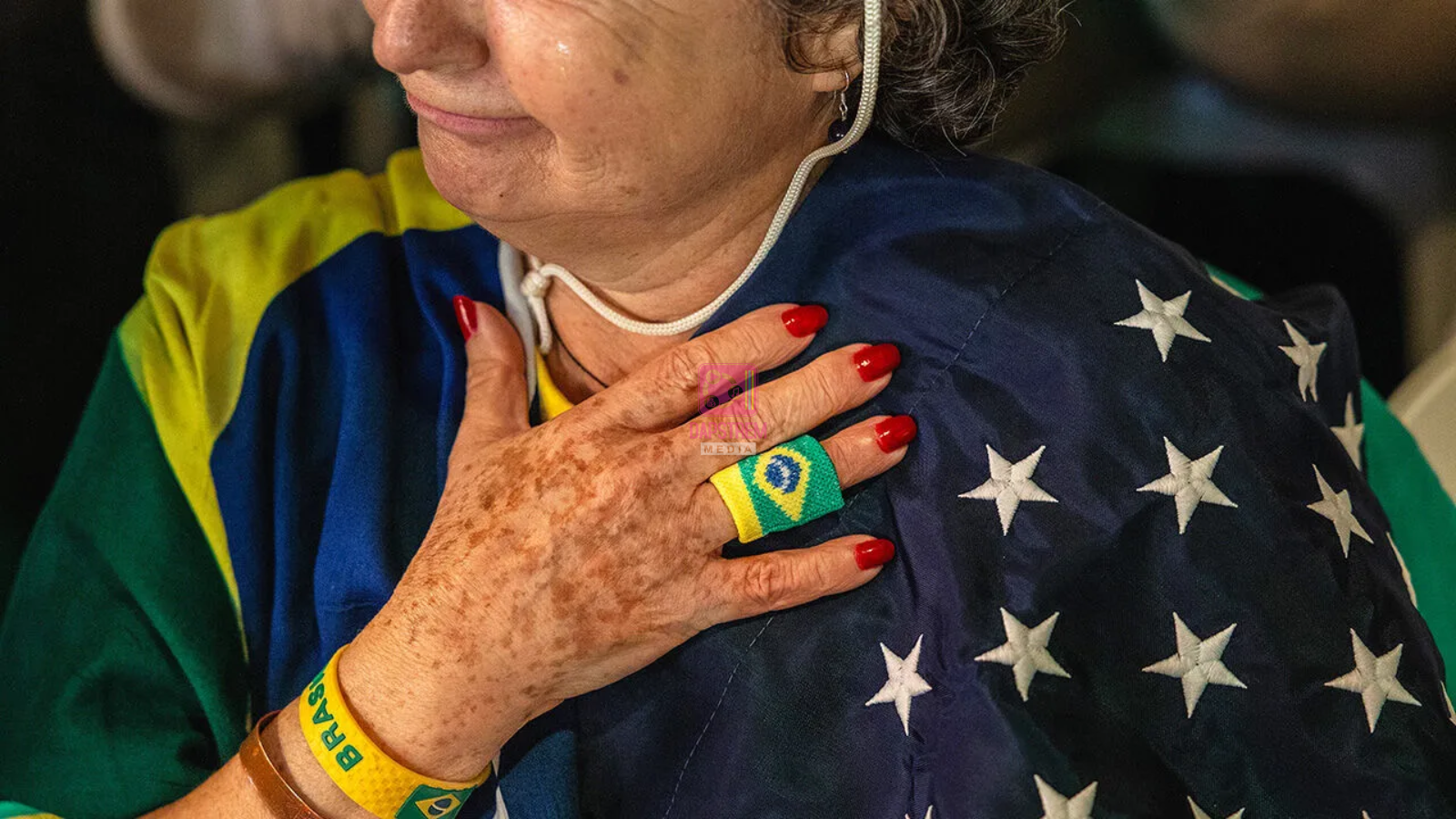
Brazil heads into a consequential presidential election on October 4, 2026, with voters choosing not only a president but also governors, senators and members of the federal and state legislatures. Nearly 160 million Brazilians are eligible to vote. If no presidential candidate wins more than half of the valid votes in the first round, the two leading candidates will meet in a runoff on October 25.
The presidential contest has increasingly centred on President Luiz Inácio Lula da Silva, who is seeking a fourth non-consecutive term, and Senator Flávio Bolsonaro, son of former president Jair Bolsonaro. Other candidates remain in the race, including Goiás Governor Ronaldo Caiado, but Lula and Flávio Bolsonaro have dominated the campaign and polling.
Beyond the personalities, however, the election carries consequences for Brazil’s economic direction, environmental policy, relations with the United States and other powers, public security and the country’s already strained political institutions.
A choice over Brazil’s political direction
The election comes at a time when much of Latin America has shifted towards the political right.
A victory for Lula would maintain Brazil under a left-of-centre government, while a victory for Flávio Bolsonaro would return the Bolsonaro political movement to the presidency after his father’s 2019–2022 administration. Analysts quoted by AFP have described the contest as part of a wider regional debate over whether Brazil will remain a major left-wing government in Latin America or move further to the right.
The ideological divide is particularly important because Brazil is Latin America’s largest economy and its most populous country. Decisions taken in Brasília therefore have consequences beyond its borders, particularly for South American trade, climate diplomacy and regional politics.
At the same time, the contest is not simply a left-versus-right argument. Economic conditions, crime, household finances, government spending and relations between political institutions are all shaping the campaign.
The economy and the cost of living
For many voters, the most immediate question is whether their household finances are improving. Brazil’s economic indicators provide a mixed picture.
The government points to low unemployment and improvements in poverty and inequality indicators, while critics focus on food prices, household debt and the high cost of borrowing. Reuters reported that household debt-service payments excluding mortgages reached 26.6% of household income in June, while Brazil’s benchmark interest rate stood at 13.75% after a series of cuts.
Official figures showed annual inflation at 4.47% in mid-September, up from 4.24% a month earlier and above economists’ median expectation in a Reuters poll. Inflation nevertheless remained within the central bank’s target range of 3% plus or minus 1.5 percentage points.
The figures illustrate the challenge confronting whoever wins: Brazil has to balance efforts to stimulate economic activity and support households against the need to control inflation and public debt.
The fiscal question
Both leading candidates face pressure to explain how they would manage Brazil’s public finances.
Reuters reported that Lula’s and Flávio Bolsonaro’s economic teams have been considering measures to stabilise public debt and create room for lower interest rates. But both campaigns have so far avoided spelling out some of the politically difficult measures that could be required.
Their approaches differ in emphasis.
Lula’s advisers argue for a gradual adjustment to avoid undermining social programmes and assistance to poorer Brazilians. Flávio Bolsonaro’s team has advocated a faster fiscal adjustment, arguing that a stronger confidence effect could help bring down future interest rates.
Public debt has risen substantially during Lula’s current government, reaching 82.5% of GDP, according to Reuters. The next government will therefore inherit a difficult balancing act: maintaining social spending and investment while convincing financial markets that debt remains manageable.
Democracy and the legacy of 2022
Perhaps no issue carries more political weight than Brazil’s democratic institutions.
The election follows the tumultuous aftermath of the 2022 presidential contest, when Jair Bolsonaro refused to accept Lula’s victory and his supporters subsequently attacked government buildings in Brasília on January 8, 2023.
Former President Bolsonaro has since been convicted over an attempt to overturn the 2022 election result. His son Flávio is now running for president with the backing of his father. Reuters reported that Flávio has been placed under house arrest in connection with the broader legal proceedings surrounding the former president’s attempted challenge to the election result.
The relationship between Brazil’s judiciary and the political right has consequently become one of the campaign’s central disputes.
The Supreme Court has played a prominent role in investigations into the former president and his allies. At the same time, Bolsonaro supporters have accused the court of exceeding its authority allegations that the justices reject.
A separate Supreme Court controversy has emerged around Justice Alexandre de Moraes and an investigation linked to Banco Master. The court postponed a decision on whether to investigate Moraes, while Flávio Bolsonaro himself has faced an investigation over alleged corruption and money laundering linked to the bank. He denies wrongdoing.
These disputes mean that the election will test not only the popularity of individual candidates but also the relationship between Brazil’s executive, legislature, judiciary and electoral authorities.
The Amazon and Brazil’s climate role
The election also matters far beyond Brazil’s borders because of the Amazon rainforest.
Under Lula, Amazon deforestation has fallen to its lowest level in a decade, according to environmental researchers cited by Mongabay. The government has strengthened environmental enforcement and made the reduction of illegal deforestation a central part of its international climate agenda.
Environmental groups and researchers nevertheless warn that the gains could be reversed under a government that gives greater priority to agribusiness, mining and infrastructure development.
A Flávio Bolsonaro administration could therefore bring a different approach to environmental enforcement, Indigenous rights and resource extraction, according to analysts quoted by Mongabay.
The consequences would extend beyond Brazil.
The country is the world’s largest exporter of soybeans and beef, and European rules due to take effect later in 2026 require companies importing commodities to demonstrate that they are not linked to recent deforestation. Any significant reversal in Brazil’s environmental enforcement could therefore affect its agricultural exporters and relations with European markets.
The result could also influence Brazil’s role in international climate negotiations and its commitments to reduce emissions and eliminate illegal deforestation.
Crime and public security
Security is another major concern for voters.
Brazil continues to confront powerful organised-crime networks, particularly drug-trafficking organisations operating across state and national borders. The issue has become increasingly prominent in the election campaign.
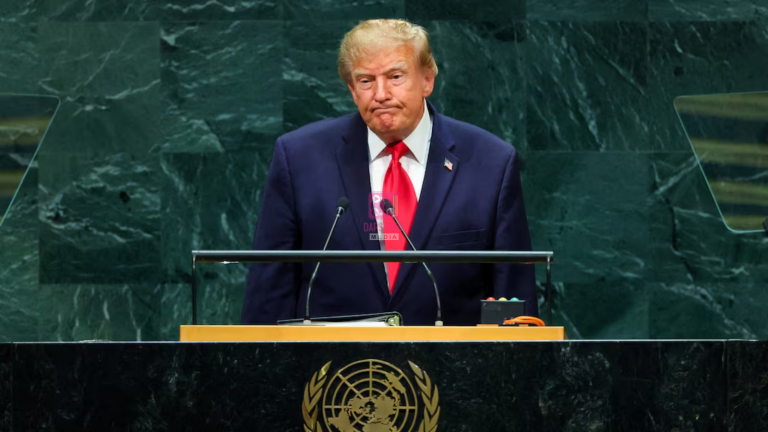
Lula has argued for greater international cooperation against organised crime while opposing what he considers foreign intervention in Brazil’s internal security affairs. During his September 22 address to the United Nations General Assembly, he rejected calls for a stronger US military role and instead advocated cooperation to stop the flow of weapons and money supporting criminal organisations.
Flávio Bolsonaro represents a political tradition that places greater emphasis on tougher law-and-order policies.
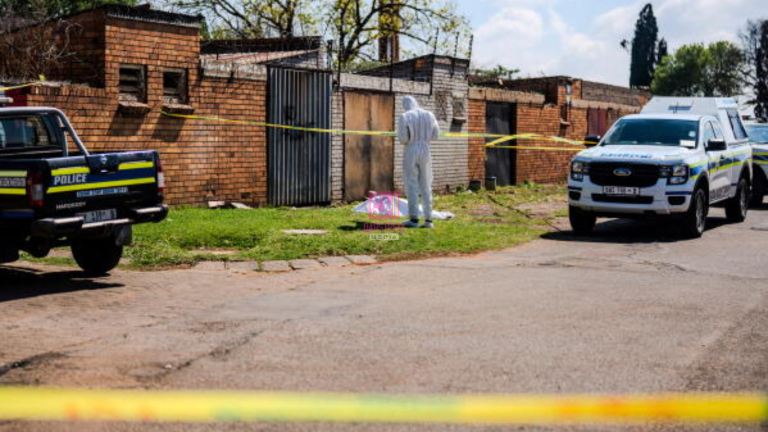
The issue is particularly important in states such as Bahia, where rising violence has become a significant concern. Associated Press reported that five of Brazil’s ten most violent cities are in Bahia, with public security increasingly influencing voters there.
Relations with the United States
Brazil’s relationship with Washington is another issue that could change depending on the election result.
Lula has stressed Brazilian sovereignty and criticised what he sees as foreign interference in the election. His government has also resisted US pressure over organised crime and defended Brazil’s right to determine its own domestic policies.
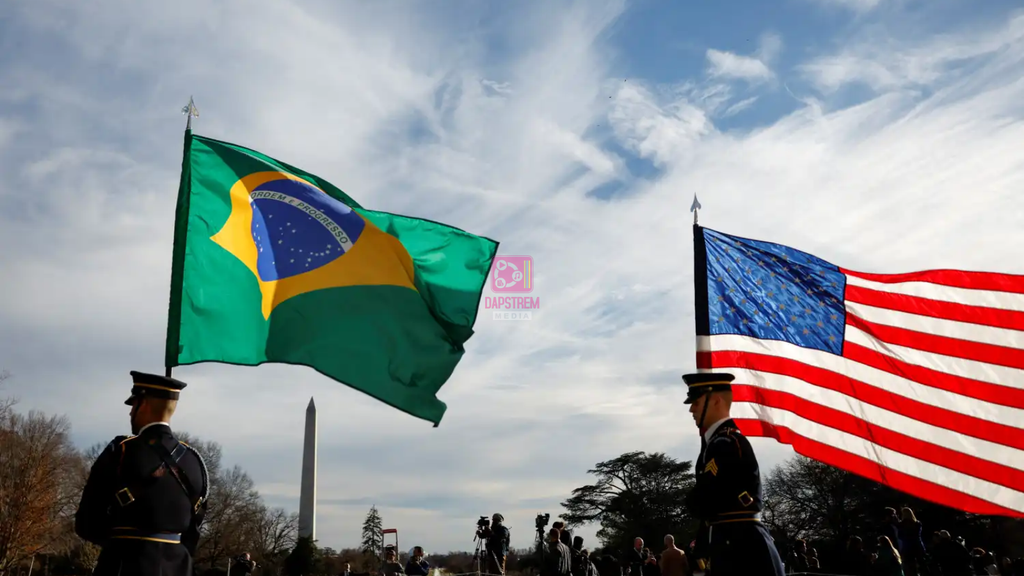
Flávio Bolsonaro, meanwhile, has developed close political ties with figures on the international right, including US President Donald Trump and Argentine President Javier Milei. Reuters reported that Flávio met Trump earlier this year and launched his campaign with support from Milei and Israeli Prime Minister Benjamin Netanyahu.
The election could therefore influence Brazil’s diplomatic posture, particularly its relationship with Washington and its position within an increasingly divided Latin American political landscape.
Congress will matter too
The presidential vote is only one part of the election.
Brazil will also elect 54 senators, two from each state and the Federal District, as well as members of the Chamber of Deputies and state legislatures.
That matters because the president cannot govern alone.
Brazil’s highly fragmented political system means presidents generally need to build coalitions in Congress to pass legislation. The composition of the Senate and Chamber could therefore determine how easily the next government implements its economic, social, environmental and security agenda.
A president facing an opposition-controlled Congress could find major reforms considerably more difficult to pass.
The outcome will shape more than one presidency
The 2026 Brazilian election is therefore about several overlapping questions.
It is about whether Lula’s economic and social policies will continue or be replaced by a different fiscal and political programme.
It is about whether Brazil maintains its current environmental trajectory or shifts towards policies that place greater emphasis on agricultural, mining and infrastructure development.
It is about how the country manages organised crime and public security.
It is about the balance between the presidency, Congress and the Supreme Court after years of institutional conflict.
And it is about Brazil’s place in a Latin America that has increasingly moved towards the political right.
The election will also test the resilience of Brazil’s democratic institutions after the extraordinary political tensions surrounding the 2022 vote and its aftermath. Lula has framed the contest in terms of democracy and opposition to election denial, while Flávio Bolsonaro and his supporters have presented their campaign as an alternative to the current government and its relationship with the judiciary. Those are competing political arguments, rather than neutral descriptions of the candidates’ records.
With the first round scheduled for October 4, the issues facing voters are consequently much broader than the choice between two presidential candidates.
They concern the direction of Latin America’s largest democracy and economy, the future of the Amazon, the management of Brazil’s public finances and the country’s relationship with an increasingly contested international order.