

Prostate cancer remains a major health concern for men, yet many continue to delay screening until they develop noticeable symptoms. Recent findings from Ghana highlight a worrying gap between awareness and action, with many men knowing about prostate cancer but relatively few having undergone a PSA test.
According to the Ghana News Agency (GNA), a study cited by consultant urologist Professor Mathew Yamoah Kyei found that 87 per cent of men knew about prostate cancer, but only 22 per cent had ever undergone a PSA test. Another study at a tertiary teaching hospital found that 72 per cent of participants knew about the disease, while only about 30 per cent had been screened.
The figures highlight why awareness alone is not enough. Early prostate cancer can develop without obvious symptoms, meaning screening and discussions with healthcare professionals can play an important role in detecting the disease earlier.
5 Early Prostate Cancer Warning Signs
One important point is that early prostate cancer often causes no symptoms. The American Cancer Society says most prostate cancers are found through screening before they cause noticeable problems.

However, men should not ignore changes that could indicate a prostate problem.
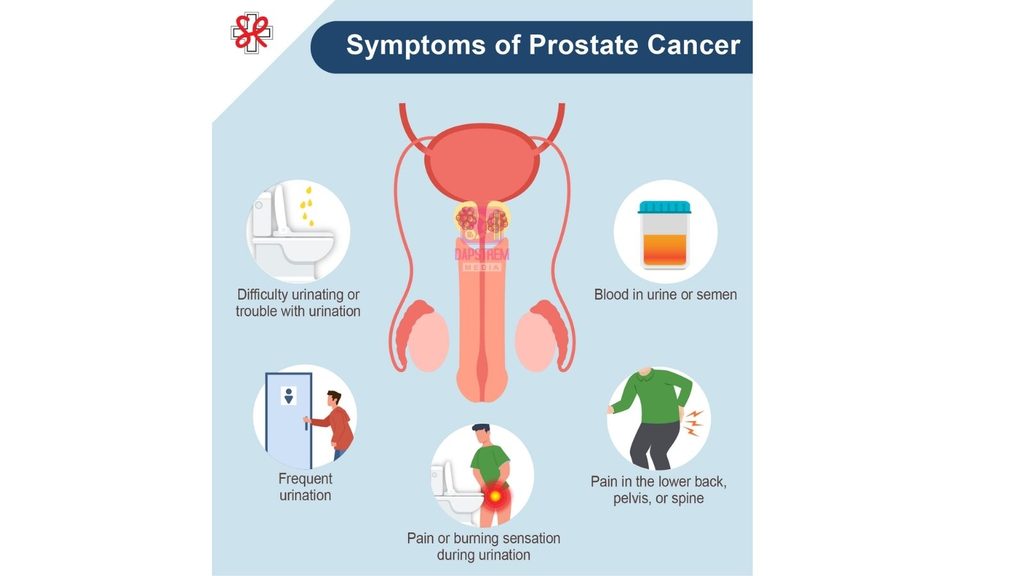
1. Difficulty Urinating
A weak or slow urine stream, difficulty starting urination or trouble emptying the bladder can be warning signs that should be medically assessed.
Because the prostate surrounds part of the urethra, problems involving the prostate can affect the flow of urine.
However, difficulty urinating does not automatically mean prostate cancer. Benign prostate enlargement and other conditions can produce similar symptoms.
2. Frequent Urination, Especially at Night
Having to urinate more frequently than usual, particularly waking repeatedly during the night to use the bathroom, is another symptom that deserves attention.
GNA recently reported that urologists have urged men not to dismiss persistent urinary symptoms. Frequent urination, urgency and other changes can have several causes, so medical assessment is important rather than assuming the symptoms are caused by cancer.
3. Blood in the Urine or Semen
Blood appearing in urine or semen can sometimes be associated with prostate cancer.
It can also be caused by other medical conditions, so seeing blood does not automatically mean a person has cancer. Nevertheless, unexplained blood should be reported to a healthcare professional so the underlying cause can be investigated.
4. Difficulty Getting or Maintaining an Erection
Erectile dysfunction can occur in men with advanced prostate cancer, although it is not a specific sign of prostate cancer and can have many other causes.
The American Cancer Society lists erectile dysfunction among symptoms that can occur when prostate cancer has advanced.
This means men experiencing persistent sexual or urinary changes should discuss them with a healthcare professional rather than trying to determine the cause themselves.
5. Persistent Back, Hip or Bone Pain
Persistent pain in the back, hips or other bones can be associated with prostate cancer that has spread beyond the prostate.
This is generally considered a sign of more advanced disease rather than an early warning sign. GNA recently reported that prostate cancer can spread to the bones and cause bone or lower-back pain when the disease has progressed.
That is one reason doctors stress that men should not wait for symptoms before considering screening.
Key Prostate Cancer Risk Factors
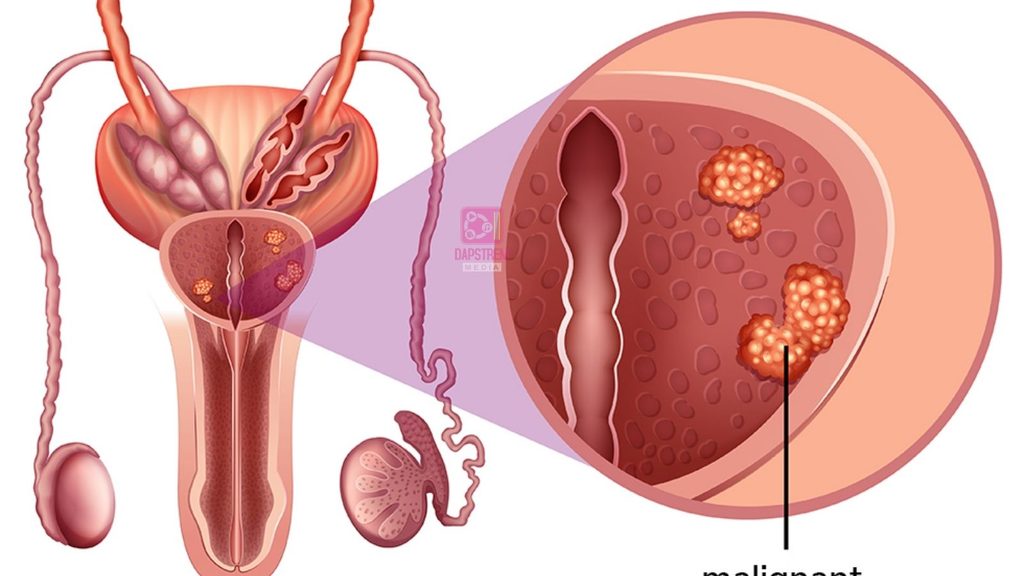
Several factors can increase a man’s risk of developing prostate cancer.
Age is one of the most important risk factors. The likelihood of developing prostate cancer increases as men get older.
Family history is another major consideration. Men whose father, brother or other close relative has had prostate cancer may have a higher risk. The risk can be particularly significant when a close relative was diagnosed at a younger age.
African ancestry is also an important risk factor. The American Cancer Society says prostate cancer occurs more often in men of African ancestry and tends to occur at younger ages in this population.
Other factors being studied or associated with risk include inherited genetic changes, obesity and certain dietary patterns. GNA also cited smoking, obesity and diet among factors discussed by Professor Kyei.
Having a risk factor does not mean a man will develop prostate cancer. It does, however, make conversations about screening more important.
Why PSA Screening Matters
The PSA test is a blood test that measures prostate-specific antigen, a protein produced by prostate cells.
PSA testing can help identify men who may need further investigation, potentially finding prostate cancer before symptoms appear.
However, a PSA result is not a cancer diagnosis by itself. A high PSA can occur because of prostate cancer, but also because of other conditions such as prostate inflammation or infection. Further medical assessment may be necessary after an abnormal result.
The American Cancer Society recommends that men make an informed decision with a healthcare provider about prostate cancer screening. Its guidance says this discussion should generally begin at 50 for men at average risk, 45 for men at higher risk—including men of African ancestry or those with a close relative diagnosed before 65—and 40 for men with multiple close relatives diagnosed early.
Early Detection Can Make a Difference
The biggest challenge with prostate cancer is that it can remain silent.
Professor Kyei told GNA that prostate cancer can develop without symptoms and urged men to include PSA testing in their health checks rather than waiting until urinary difficulties appear. He also noted that diagnosis and treatment are more difficult when the disease is detected after it has progressed.
The gap between knowledge and screening remains significant. When 87 per cent of men in one cited study knew about prostate cancer but only 22 per cent had undergone PSA testing, the figures showed that awareness does not always translate into preventive action.
For men, knowing their family history, understanding their individual risk and discussing screening with a qualified healthcare professional can be important steps toward protecting long-term health.