Ramaphosa Withdraws From Public Engagements as Doctors Advise Him to Rest and Recover After BRICS Summit
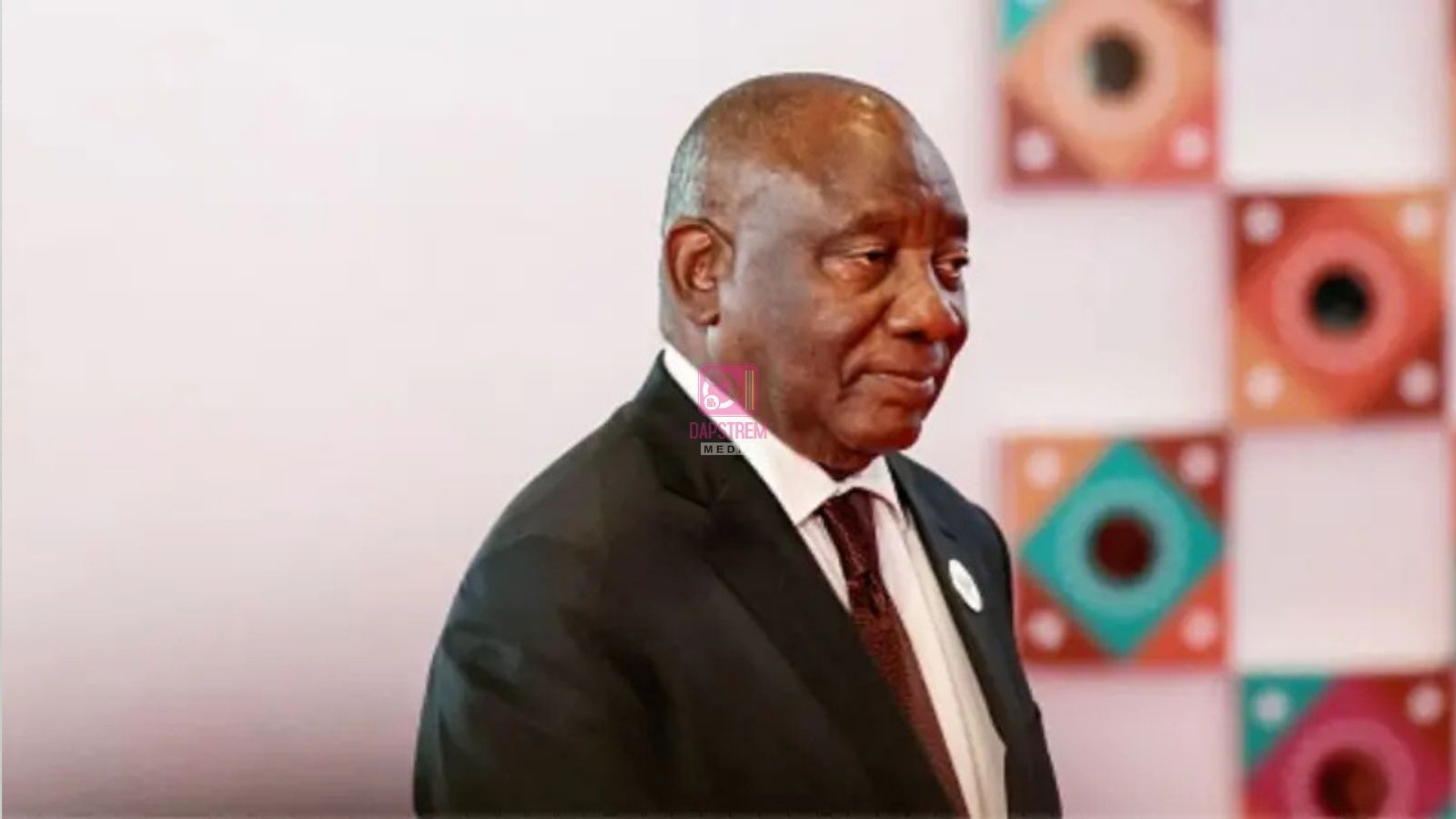
South African President Cyril Ramaphosa has temporarily withdrawn from official public engagements after his medical team advised him to rest and recover following his return from the BRICS Summit in India.
The Presidency announced on Wednesday, September 16, that Ramaphosa had been booked off from public engagements due to ill health. The statement did not disclose the nature or severity of the condition, saying only that the President had returned from India on Monday and had subsequently been advised by his doctors to rest and recover.
The development means that Ramaphosa will temporarily step away from some of his scheduled public activities as he follows medical advice. His office said that, where possible, Cabinet ministers would represent him at engagements that had been scheduled on his programme.
The Presidency did not indicate how long the President is expected to remain away from public engagements. It also did not suggest that he had been incapacitated from carrying out the responsibilities of his office. Instead, the announcement focused on allowing him time to rest while government business continues.
The announcement comes only a few days after Ramaphosa represented South Africa at the 18th BRICS Summit in New Delhi, India, where leaders from the expanded grouping met on September 12 and 13.
Ramaphosa travelled to India as part of South Africa’s participation in discussions on international economic cooperation, trade, investment, global governance and geopolitical issues. The summit was held under India’s chairship and focused on the theme of building resilience, innovation, cooperation and security.
The summit brought together leaders from the expanded BRICS grouping at a time when the global political and economic environment remains under significant pressure. Discussions included international trade, financial cooperation, development, technology and global conflicts.
A joint declaration adopted during the summit called for restraint over escalating tensions in the Middle East and addressed several issues affecting developing economies. BRICS members also discussed strengthening trade and investment cooperation and expanding the use of local currencies in cross-border transactions.
Ramaphosa’s return to South Africa was followed by the announcement that he would take time away from public engagements.
The Presidency has provided no further medical information, and there has been no official indication that the President is facing a serious or long-term health condition. Reuters also reported that the official statement gave no additional details about the nature or severity of his illness.
The decision to allow ministers to represent the President at scheduled engagements reflects the government’s approach to maintaining continuity while he rests.
South Africa’s Cabinet operates through a system in which ministers oversee individual departments and can continue carrying out government programmes even when the President is temporarily unavailable for a particular public engagement.
The latest announcement is also notable because Deputy President Paul Mashatile is himself currently recovering from a medical procedure.
Mashatile disclosed on September 15 that he had recently undergone a minor medical procedure and said his recovery was progressing well. He said he was regaining strength each day but would continue resting on the advice of his doctors until he was cleared to resume his full programme.
The Deputy President thanked his family, medical team, colleagues and members of the public who had sent messages of support. He also said that work and delegated responsibilities were continuing through his office and other government stakeholders during his recovery.
Mashatile’s health situation has been known publicly for several weeks. In an August 30 statement, his office said he had become unwell while at home in Johannesburg, sought medical attention under the supervision of his medical team and was admitted for a minor surgical procedure and observation. He was later discharged and continued receiving medical care and rest.
The office has repeatedly stressed that Mashatile was recovering well while also asking the public and media to rely on official information rather than speculation about his health.
President Ramaphosa had earlier visited Mashatile during his recovery. On August 4, the Presidency said Ramaphosa was pleased with his Deputy President’s progress following the minor surgical procedure and had been assured that Mashatile would soon return to work.
With both the President and Deputy President currently limiting their public engagements on doctors’ advice, attention has naturally turned to how government activities will continue during their respective recovery periods.
There is, however, no indication from the Presidency that the South African government has been left without leadership or that government operations have been suspended.
Ramaphosa’s office has already provided a straightforward arrangement for his scheduled engagements, with ministers expected to represent him where possible. Mashatile has similarly said that work and delegated responsibilities remain underway through his office.
The situation also highlights the importance of institutional continuity in government. Presidents and deputy presidents, like other public officials, can temporarily step away from public duties when their doctors advise them to rest. Government institutions are expected to continue operating through Cabinet, departments and other officials responsible for implementing state programmes.
For South Africans, the immediate issue is therefore the President’s recovery rather than speculation about his medical condition.
The Presidency has deliberately released limited information, citing the President’s health situation without providing a diagnosis or details about his treatment. That means reports claiming to provide additional explanations about his condition should be treated cautiously unless they are confirmed through official channels.
Ramaphosa’s absence comes at an important period for South Africa, with the government continuing to deal with economic pressures, unemployment, energy challenges, infrastructure needs and a range of domestic policy priorities.
The country is also navigating an increasingly complicated international environment. South Africa’s role in BRICS has become an important component of its foreign policy, particularly as the grouping expands and seeks greater influence in global economic and political affairs.
The recent summit in New Delhi demonstrated the broad range of issues now being discussed within BRICS. The grouping includes major emerging economies and has expanded considerably from its original membership. South Africa has used its participation to promote greater representation for developing countries in international institutions and to strengthen economic and diplomatic cooperation among countries of the Global South.
Ramaphosa’s participation in the summit therefore formed part of South Africa’s broader diplomatic programme.
The President’s temporary withdrawal from public engagements should be understood separately from the diplomatic work undertaken during the summit. There has been no announcement suggesting that his health situation is connected to any specific event at the BRICS meeting.
Instead, the official explanation is that after returning to South Africa on Monday, his medical team advised him to rest and recover.
The Presidency’s decision to communicate the development publicly also provides clarity about why Ramaphosa may not be seen at some of the engagements that had been expected to feature him in the coming days.
Rather than leaving scheduled programmes uncertain, ministers will represent him where possible.
The arrangement allows government work to continue while giving the President an opportunity to focus on his recovery without the demands of a full public schedule.
Mashatile’s ongoing recovery similarly demonstrates the role played by government offices in maintaining continuity. In his own statement, the Deputy President said he remained dedicated to his responsibilities and looked forward to returning to his duties in full once his doctors allowed him to do so.
For now, both leaders are following medical advice.
The Presidency has not provided a timeline for Ramaphosa’s return to public engagements. Likewise, Mashatile has said he will continue resting until advised otherwise.
The developments have prompted messages of concern and goodwill from South Africans and others following the country’s leadership. Mashatile specifically acknowledged the prayers and encouragement he had received during his recovery.
Ramaphosa’s latest absence is expected to remain closely watched because of his position as head of state and head of government. However, the limited information released by the Presidency means that the focus should remain on the confirmed facts: the President is currently resting on medical advice, ministers will represent him at scheduled engagements where possible, and no further details about his condition have been officially disclosed.
At the same time, Mashatile is recovering from a minor medical procedure and has said that his recovery is progressing well.
Both leaders are therefore expected to return to their respective public programmes when their medical teams advise that they are ready.
Until then, South Africa’s government machinery will continue operating through Cabinet ministers, departments and the officials responsible for carrying out delegated duties.
The Presidency’s latest communication ultimately sends a simple message: President Ramaphosa has temporarily stepped back from public engagements to rest and recover, while government business continues in his absence.