

Foreign investor and entrepreneur Hannes Bend has sparked a heated online conversation after making strong claims about his experiences in Kenya, including an allegation involving approximately KSh 39 million.
Bend has accused unnamed Kenyan elites of conduct he described as being “worse than the mafia,” a statement that has generated significant discussion online.
The claims have emerged through Bend’s social media activity, where he has expressed frustration over what he says was his experience as a foreign investor in Kenya.
However, details surrounding the alleged KSh 39 million dispute remain limited in publicly available reporting, and the accusations have not been independently established as facts.
Hannes Bend Makes Strong Claims
Bend’s comments have attracted attention because of the language he used to describe his alleged experience.
In a recent social media post, the investor said that he would no longer invest in Kenya, referring to his experience as a foreign investor in the country.
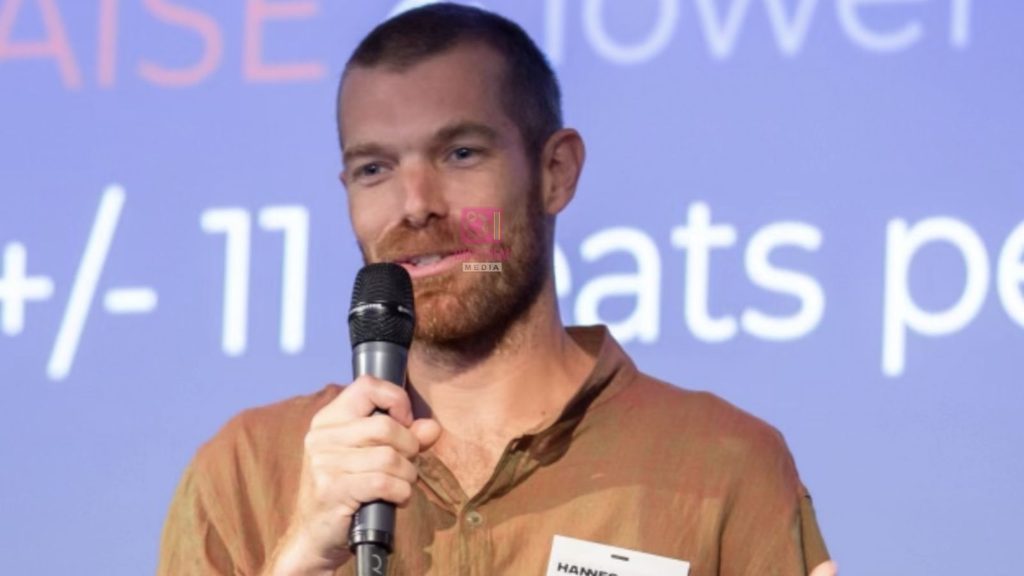
The comments have since generated discussion about the experiences of foreign investors operating in Kenya and the challenges they can face when dealing with business disputes.
Bend’s wider claims have also been amplified by Kenyan social media pages, including a recent post describing his allegations involving KSh 39 million.
The Alleged KSh 39 Million Dispute
At the centre of the latest online discussion is an alleged financial dispute involving about KSh 39 million.
According to the claims circulating online, Bend believes he was the victim of a scam involving the substantial amount of money.
However, publicly available sources reviewed for this report do not provide enough independently verified information to establish exactly how the alleged transaction occurred, who was involved or whether any Kenyan individual or organisation has been formally found liable.
That distinction is important because accusations shared on social media do not automatically establish wrongdoing.
Bend’s allegations should therefore be understood as claims made by the investor while any supporting documentation, legal proceedings or official findings would need to be examined separately.
Hannes Bend Questions Kenya’s Investment Environment
Bend’s comments have also raised broader questions about Kenya’s investment environment.
Kenya has positioned itself as a major business and technology hub in East Africa, attracting entrepreneurs and investors from different parts of the world.

Nairobi in particular has developed a reputation as a regional centre for technology, innovation, finance and entrepreneurship.
Foreign investors can, however, encounter challenges related to contracts, regulations, business partnerships and dispute resolution, just as investors can in other markets.
Bend’s experience, as he describes it, has led him to question whether Kenya provides sufficient protection for foreign investors facing serious business disputes.
“Worse Than the Mafia” Comment Sparks Debate
The phrase used by Bend has become one of the most discussed parts of the story.
Describing Kenyan elites as “worse than the mafia” is a serious characterization, and it has attracted reactions from social media users.
The statement should be understood as Bend’s description of his alleged experience rather than as an independently established characterization of Kenyan business or political elites as a group.
Some online users have focused on the seriousness of the alleged financial loss, while others have questioned the circumstances surrounding the claims and called for more information.
The debate highlights how social media can quickly amplify allegations involving prominent individuals and large amounts of money.
Bend Says He Would Not Invest Again
In an August 10 social media post, Bend stated that, as a foreign investor in Kenya, he would no longer invest in the country.
The statement gives an indication of the level of frustration he says he has experienced.
For an investor, confidence in legal protections, contracts and dispute-resolution mechanisms can play an important role in deciding whether to put money into a particular market.
Bend’s comments therefore go beyond a personal complaint and have prompted wider discussion about investor confidence.
However, one investor’s experience does not by itself establish the overall conditions faced by all foreign investors in Kenya.
Social Media Fuels the Conversation
The controversy has gained momentum largely through social media.
Kenyan entertainment and news-focused pages have shared the allegations, exposing the claims to a much wider audience.
The rapid spread of such stories can bring attention to issues that might otherwise remain private.
At the same time, social media reports can sometimes contain incomplete information, making it important to distinguish between an allegation, a reported dispute and a confirmed legal finding.
In Bend’s case, further documentation or an official legal outcome would provide greater clarity about the alleged KSh 39 million loss.
Questions Remain Over the Allegations
Several questions remain unanswered about the dispute.
It is not yet clear from the publicly available information reviewed for this report whether the alleged KSh 39 million matter has resulted in a court case, an official investigation or another formal dispute-resolution process.
It is also unclear which individuals or entities Bend believes were responsible for the alleged loss.
Without those details, it would be premature to treat the allegations as established facts.
The claims nevertheless remain significant because they involve a foreign investor publicly questioning his experience in Kenya.
Why the Claims Matter
The controversy comes at a time when Kenya continues to promote itself as a destination for international investment.
Stories involving alleged financial disputes can attract attention because investor confidence is influenced not only by economic opportunities but also by perceptions of transparency, accountability and the ability to resolve disagreements.
Bend’s accusations therefore provide another example of the conversations that can emerge when investors publicly discuss their experiences.
Whether his allegations ultimately lead to legal action or further clarification remains to be seen.
Hannes Bend’s Claims Continue to Generate Attention
For now, Hannes Bend’s comments have generated a significant online conversation.
His allegation of a KSh 39 million scam and his description of unnamed Kenyan elites as “worse than the mafia” have put his experience in the spotlight.
But the full circumstances surrounding the alleged financial dispute remain unclear from independently verified public information.
As the story develops, official documents, court records or statements from the parties involved could provide a clearer picture of what happened.
Until then, Bend’s statements remain allegations attributed to the investor rather than established findings.
The controversy nevertheless highlights the importance of transparency, proper documentation and reliable dispute-resolution mechanisms in protecting both local and foreign investors operating in Kenya.