Uganda’s Tooro Kingdom Names Prince Edward Rukidi New King as Late King Oyo’s Family Rejects Succession Decision
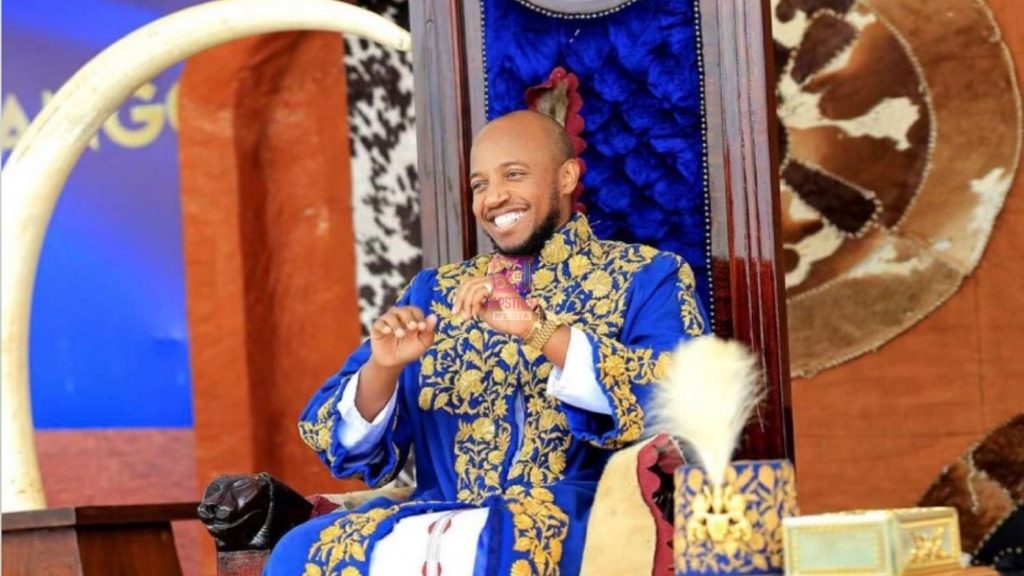
Uganda’s Tooro Kingdom has named Prince Edward Rukidi Kijanangoma as its new king following the death of King Oyo Nyimba Kabamba Iguru Rukidi IV, but the decision has immediately triggered a succession dispute within the late monarch’s family.
The announcement was made on Wednesday, September 9, 2026, by leaders of the Babiito royal clan at Karuziika Palace, the traditional seat of the Tooro monarchy. The succession committee said it had conducted consultations and due diligence before settling on Prince Edward Kijanangoma as the person to take over the throne.
The development comes less than two weeks after the death of King Oyo, who passed away on August 27 at the age of 34 while undergoing treatment for cancer in the United States. His death brought an end to a historic reign that began when he was only three years old and turned him into one of the world’s most recognisable traditional monarchs.
However, the announcement of a successor has created a new controversy at a time when the royal family is still preparing to bury King Oyo.
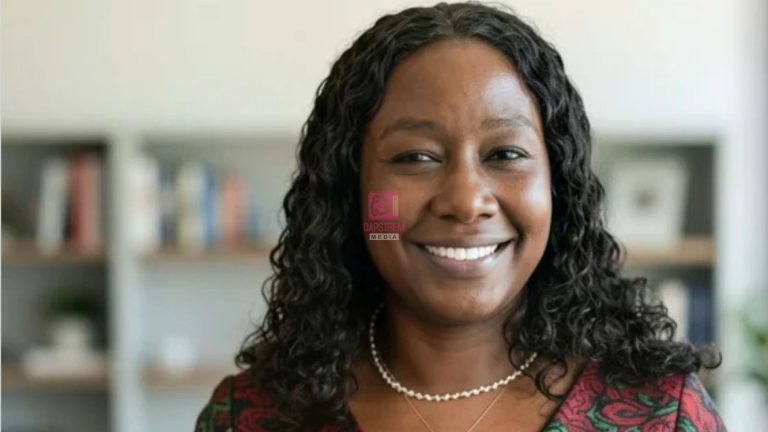
Princess Ruth Komuntale, the late king’s sister, has publicly rejected the selection of Prince Edward, arguing that her brother left behind a written will identifying an heir to the throne.
Komuntale said the decision had been made prematurely and accused those involved in the succession process of ignoring discussions that had been taking place concerning the late king’s will.
She said the family had been preparing to meet with lawyers to examine the document before a successor was formally announced. According to her, the decision to name a new king came as a surprise to members of the immediate royal family.
The princess called on the people of Tooro to remain calm and avoid divisions as the kingdom deals with the death of King Oyo.
She argued that her late brother was a peaceful person and that his memory should be honoured by ensuring that the succession process does not create unnecessary conflict within the royal family and among the people of Tooro.
The succession dispute centres on competing claims over whether King Oyo left behind a child who should inherit the throne.
Before Prince Edward’s selection, senior figures in Uganda had indicated that the late monarch had a young son who could potentially succeed him.
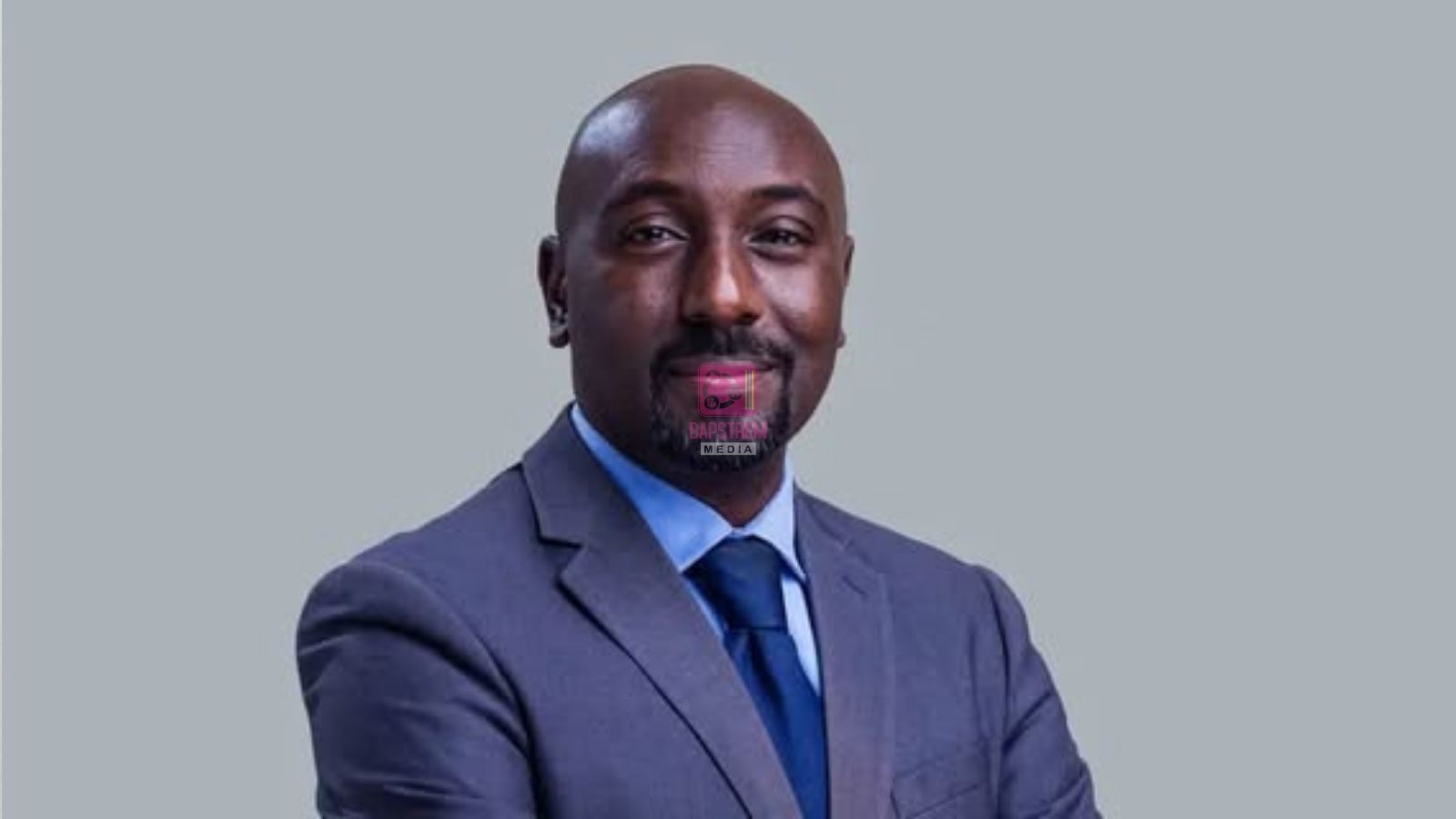
President Yoweri Museveni previously said Queen Mother Best Kemigisa had informed him that King Oyo left behind a young male heir. Tooro Kingdom Prime Minister Calvin Armstrong Rwomiire Akiiki had also previously said the late king had left an heir whose identity would be revealed at the appropriate time according to Tooro traditions.
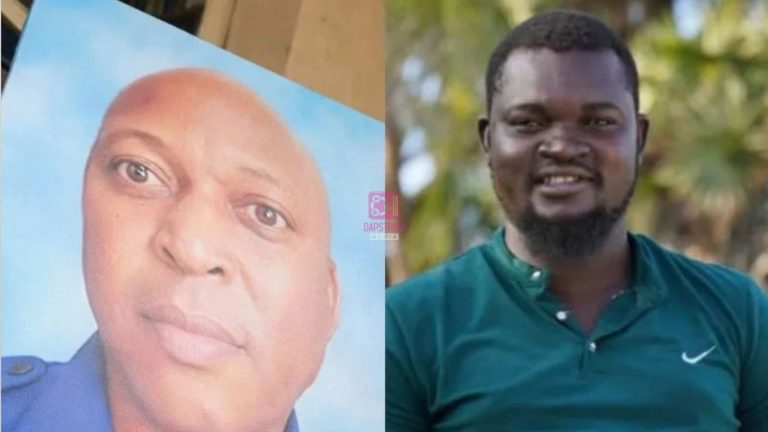
But the head of the Babiito royal clan, Chief Prince Charles Kamurasi Akiiki, disputed those claims.
Kamurasi said the royal family had not been informed about any child who had been formally recognised as an heir. He questioned how the information about the alleged heir had emerged and maintained that the succession process remained under the authority of the Babiito clan.
The conflicting positions have complicated what would ordinarily have been a carefully managed traditional succession.
The Babiito clan is the royal clan of Tooro and plays a central role in determining who becomes king. Following King Oyo’s death, a 21-member succession committee was formed to oversee the process and identify a suitable successor.
According to the committee, its members conducted consultations before deciding that Prince Edward Rukidi Kijanangoma was the appropriate candidate.
A resolution signed by 19 members of the committee stated that the Ababiito clan had the authority to elect the next king and that the committee had undertaken consultations and due diligence before making its decision.
Prince Edward is a member of the Tooro royal family. He is the son of the late Prince Christopher Paul Kijanangoma and the grandson of Omukama Sir George David Rukidi III.
He is also known to many Ugandans outside royal circles because of his career in journalism and broadcasting. He has worked as a news anchor and editor with Uganda Broadcasting Corporation, making his selection an unusual development in the modern history of the Tooro monarchy.
His background as a journalist means he is likely to bring a different public profile to the throne compared with King Oyo, whose entire life was shaped by the monarchy after he inherited it as a young child.
King Oyo became king in 1995 following the death of his father, King Patrick Matthew Kaboyo Olimi III. At just three years old, he became the world’s youngest reigning monarch at the time.
His coronation attracted enormous attention in Uganda and beyond. He grew up under the guidance of regents before gradually assuming greater responsibilities as he became an adult.
Over the years, King Oyo became an important cultural symbol for the people of Tooro. His story attracted international attention because of his unusually young age at accession, while his public appearances and international engagements helped raise the profile of the kingdom.
Despite Uganda being a republic, traditional kingdoms continue to have significant cultural influence.
Tooro is one of several traditional kingdoms restored by the Ugandan government in the 1990s after they had been abolished following independence. The kingdoms do not exercise sovereign political power and their monarchs cannot participate in partisan politics in their traditional capacity, but they remain important custodians of culture, history and community identity.
That cultural role explains why the question of who succeeds King Oyo has attracted such intense interest.
For many people in Tooro, the king is more than a ceremonial figure. The monarch represents the history and identity of the kingdom and serves as an important cultural symbol for the Batooro people.
The succession therefore has implications beyond the royal family itself.
The controversy has also emerged at an emotionally difficult time because King Oyo has not yet been buried.
His body was returned to Uganda on September 4 after being flown from the United States. President Museveni and other senior officials were among those who received the remains at Entebbe International Airport. His burial is scheduled for September 12 at the royal tombs in Fort Portal, where thousands of mourners are expected to gather.
The timing of the succession announcement has consequently caused frustration among members of the late king’s immediate family.
Princess Ruth has argued that the kingdom should first deal with the late monarch’s will and allow the family to mourn before moving ahead with the installation of another king.
The succession committee, however, has defended its decision.
A committee member, Fr Dr Charles Oyo, explained that the Babiito could not rely simply on public claims concerning children of the late king when determining succession.
He said that within Tooro traditions, children who are expected to have a future role in the monarchy are introduced to elders through established cultural processes. Such children may also undergo specific ceremonies and forms of upbringing intended to prepare them for future responsibilities.
This explanation provides an important part of the committee’s argument for choosing an adult royal family member rather than immediately recognising a reported child of King Oyo.
The committee’s position is that succession cannot simply be determined by claims circulating publicly about a child. Traditional recognition and the established procedures of the Babiito clan must also be considered.
The issue has nevertheless created a significant divide between the succession committee and the late king’s closest relatives.
The dispute became even more complicated after another royal candidate, Prince George Desmond Kamurasi, was initially selected by the succession committee.
Kamurasi, a cousin of King Oyo, was reportedly chosen by the 21-member committee before later declining or being unable to take up the position, prompting the royal clan to reconsider its options. The process eventually resulted in the selection of Prince Edward Kijanangoma.
The change demonstrated how quickly the succession process was evolving following King Oyo’s death.
Prince Edward now becomes the official candidate endorsed by the Babiito succession process, although the objections from Princess Ruth and other members of the late king’s family could continue to create uncertainty.
The disagreement also raises questions about the authority of a king’s personal wishes compared with the traditional authority of the royal clan.
If the late monarch did leave a will naming a successor, the question will be whether that document is recognised as binding within the traditional succession system.
Princess Ruth has insisted that the will clearly identifies her brother’s son as the heir and has called for the document to be examined before any final decision is made.
The succession committee, on the other hand, has said it followed the traditional authority of the Babiito clan when selecting Prince Edward.
That difference in interpretation could become one of the central issues surrounding the future of the Tooro monarchy.
There is also the question of the alleged child himself.
Reports that King Oyo left behind a son have not been publicly settled by the kingdom. Some claims about additional children have also circulated, but these have not been officially confirmed by Tooro authorities.
The disagreement therefore involves not only who should become king but also whether the reported heir has been formally recognised under Tooro customs.
For now, Prince Edward’s selection represents the position of the Babiito succession committee.
The committee has said that his enthronement will be conducted according to the traditions and customs of the Tooro Kingdom.
His expected installation will likely attract significant attention, especially because it comes at a moment when the kingdom is mourning the death of a monarch who had occupied the throne for more than three decades.
King Oyo’s reign was unusually long for someone who ascended the throne as a child.
He grew from the famous “boy king” who attracted international curiosity into an adult monarch who took on cultural and humanitarian responsibilities.
He also served as a United Nations ambassador advocating against HIV and AIDS and became an internationally recognised representative of Tooro.
His death at 34 therefore represented not only the loss of a king but the end of a remarkable personal story that had followed him from childhood into adulthood.
The challenge facing Tooro now is to ensure that the succession does not overshadow the late king’s funeral or create lasting divisions within the kingdom.
Princess Ruth has already appealed for calm, urging members of the Tooro community to remain united and to honour her brother’s memory.
That appeal could become increasingly important as discussions over the succession continue.
The kingdom has historically relied on cultural traditions and clan structures to maintain continuity. Any prolonged dispute between the immediate royal family and the wider Babiito leadership could create uncertainty at a time when unity is particularly important.
President Museveni and the Ugandan government are also likely to watch developments closely, although the traditional kingdoms operate primarily in the cultural sphere rather than as political governments.
For Uganda, the Tooro succession is significant because the country’s traditional institutions remain deeply connected to cultural identity and community mobilisation.
The government restored traditional kingdoms in 1993 after years in which they had been abolished. Since then, the monarchies have continued to operate as cultural institutions without formal political authority.
The Tooro Kingdom has consequently remained an important part of western Uganda’s cultural landscape.
The new king will inherit that responsibility at a particularly sensitive moment.
Prince Edward Kijanangoma will have to navigate the expectations of the Babiito clan, the wider royal family and ordinary subjects who are still grieving the death of King Oyo.
He will also face questions about how the kingdom intends to handle the competing claims surrounding the late king’s reported heir.
His background in journalism could prove useful as he takes on the public responsibilities of the monarchy. Having worked in broadcasting, he is already familiar with public communication and the intense scrutiny that comes with a prominent public position.
But becoming king will place him in a very different environment.
The Tooro monarchy carries centuries of history, customs and traditions, and the new king will be expected to preserve that heritage while responding to the realities of modern Uganda.
His first major challenge may therefore be one of reconciliation.
The dispute surrounding his selection means that his ability to bring together the different sides of the royal family could shape the early days of his reign.
Whether the current disagreement develops into a prolonged succession crisis or is resolved through consultation remains to be seen.
For now, the Babiito clan has made its position clear by naming Prince Edward Rukidi Kijanangoma as the successor to King Oyo.
The late king’s family has equally made clear that it does not accept the decision as final.
That leaves Tooro at a delicate crossroads.
The kingdom is preparing to bury a monarch who became a global symbol after ascending the throne as a three-year-old, while simultaneously preparing for the arrival of an adult successor whose selection has already divided opinion within the royal family.
The coming days are therefore likely to be crucial.
King Oyo’s funeral on September 12 will remain the immediate focus as the people of Tooro gather to honour their late monarch. But once the funeral rites are complete, attention is expected to return to the succession question and the competing claims surrounding his reported heir.
For the people of Tooro, the hope will be that the dispute can be resolved through dialogue and respect for their traditions.
The kingdom has already lost a monarch who had been a central figure for more than three decades. The last thing it needs is a prolonged division over who should carry his legacy forward.
Prince Edward now stands at the centre of that future.
His selection marks the beginning of a new chapter for the Tooro Kingdom, but the controversy surrounding his appointment means his path to the throne is unlikely to be straightforward.
As the royal family, Babiito elders and Tooro subjects continue to navigate the succession dispute, the question of who will ultimately command the loyalty of the kingdom will remain one of the most closely watched traditional leadership developments in Uganda.
For now, the Babiito clan has chosen Prince Edward Rukidi Kijanangoma.
But with the late King Oyo’s family rejecting the decision and insisting that his alleged heir must be considered, the future of the Tooro throne remains the subject of an increasingly public and emotional royal dispute.