
NACADA Tightens Crackdown on Illicit Alcohol as 868 Counterfeit and Uncustomed Drinks Seized in Eastleigh
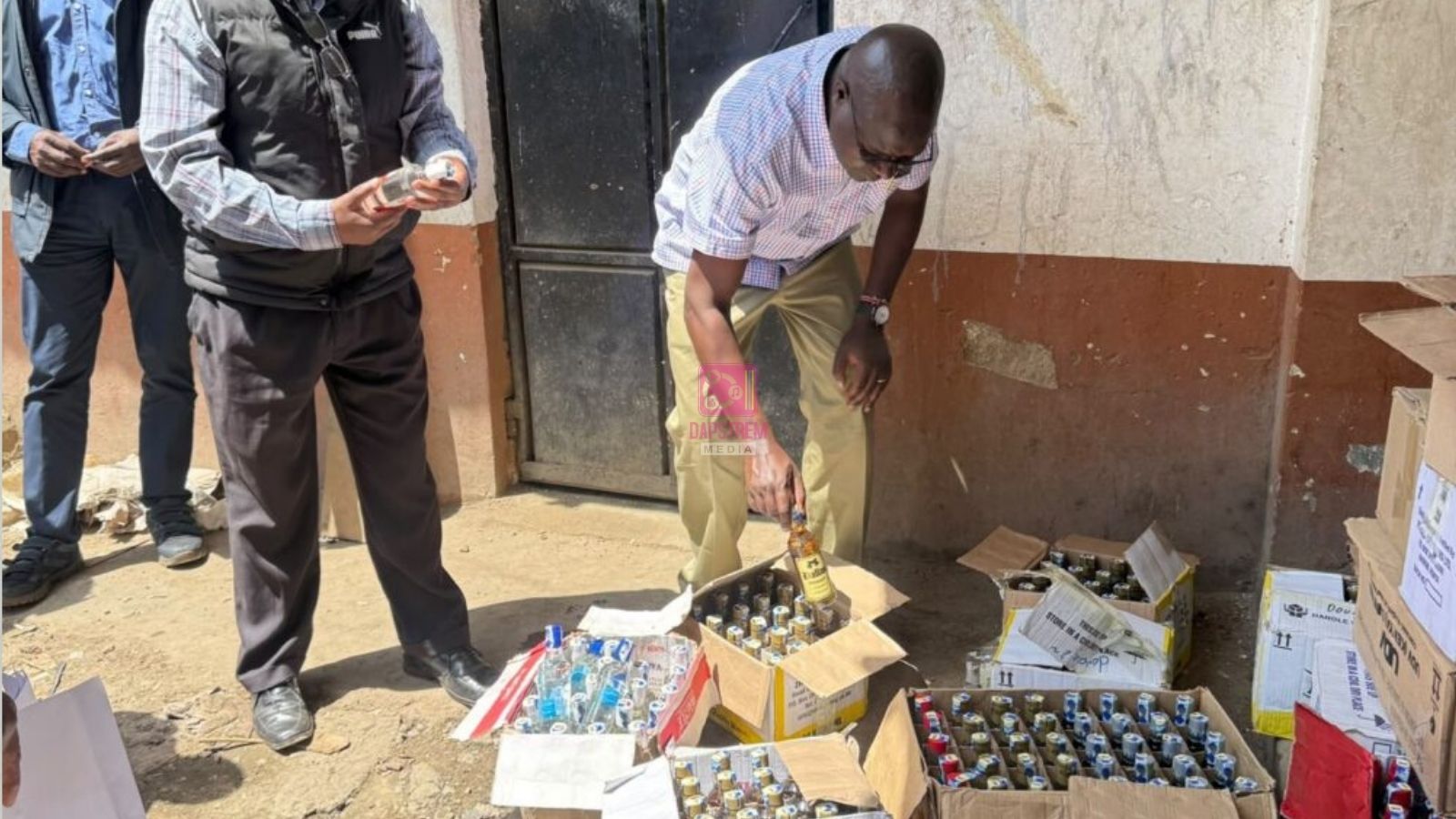
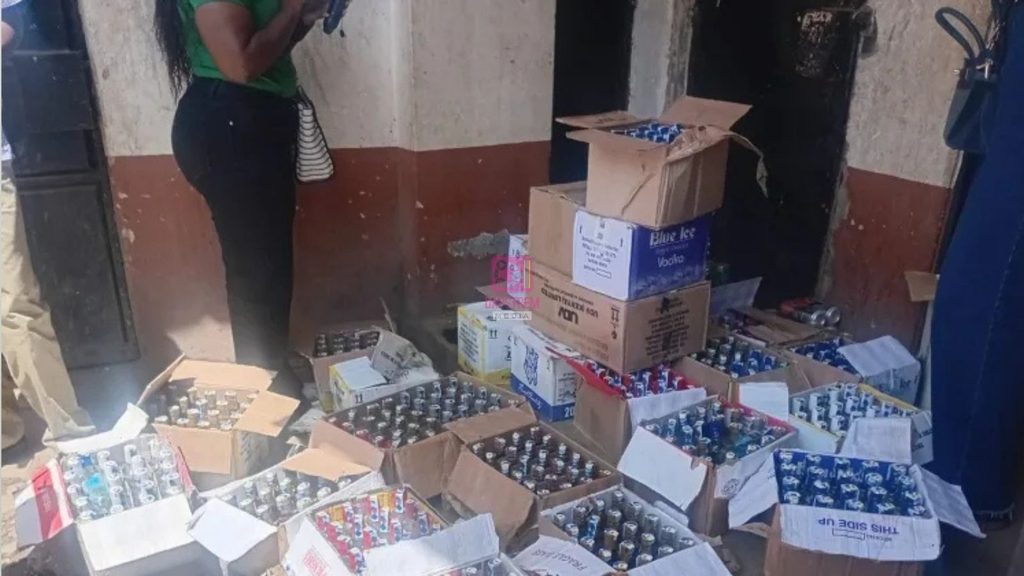
The government has intensified its crackdown on illicit alcoholic beverages after a multi-agency operation in Eastleigh, Nairobi, resulted in the seizure of 868 assorted alcoholic drinks and the arrest of two suspects.
The operation, conducted on Wednesday, August 26, 2026, targeted businesses suspected of distributing and selling counterfeit and illicit alcoholic products in Section 3 along 18th Street in Eastleigh. Officers drawn from the National Authority for the Campaign Against Alcohol and Drug Abuse (NACADA), Kenya Revenue Authority (KRA), Kenya Bureau of Standards (KEBS) and the National Police Service participated in the enforcement exercise.
The latest raid comes amid heightened concern over the circulation of counterfeit, expired and illicit alcoholic products in Kenya, with authorities increasingly warning that such beverages can expose consumers to serious health risks while undermining legitimate businesses and depriving the government of revenue.
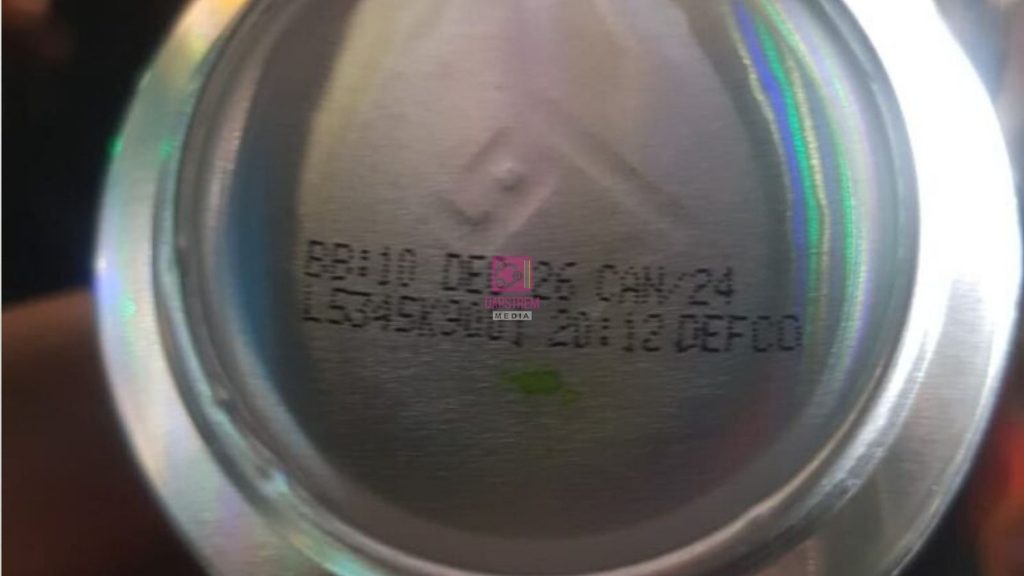
During the Eastleigh operation, investigators recovered a variety of alcoholic beverages that raised regulatory concerns. The seized products reportedly included drinks bearing suspected counterfeit KRA stamps, uncustomed beer associated with Defence Forces Canteen Organisation (DEFCO) stores, as well as expired and suspected counterfeit alcoholic products.
A distributor and a retailer were arrested during the operation and taken to Jogoo Road Police Station, where they were booked as investigations continued. The seized beverages have also been taken for analysis as authorities seek to establish their authenticity, safety and compliance with the relevant regulations.
The arrests represent an important stage in the investigation, although the suspects will be subject to due process and remain presumed innocent unless proven guilty in court.
The Eastleigh operation demonstrates the increasingly coordinated approach being adopted by government agencies in tackling the illicit alcohol trade. Rather than relying on a single agency, the operation brought together institutions with different responsibilities, including alcohol and drug control, taxation, standards enforcement and policing.
NACADA has been at the centre of the renewed enforcement campaign, with the authority saying it is conducting intelligence-led operations in different parts of the country following growing public concern over the manufacture, distribution, sale and consumption of counterfeit and fake alcoholic drinks.
NACADA Chief Executive Officer Dr Anthony Omerikwa warned manufacturers, distributors and alcohol outlets against engaging in unlawful practices, stressing that the pursuit of profits should not come at the expense of consumers’ lives.
The warning is particularly significant because counterfeit alcohol is not simply a regulatory or tax issue. It can become a serious public health threat when consumers do not know what substances are contained in the drinks they are purchasing.
According to NACADA, counterfeit alcoholic beverages can contain toxic substances such as methanol, which can result in severe poisoning, blindness, organ failure and death.
Methanol contamination is particularly dangerous because consumers may have no way of knowing that it is present in an alcoholic drink. A product may be packaged to resemble a familiar brand, complete with labels and other markings, creating the impression that it is genuine when it may not be.
This is why the seizure of products carrying suspected fake KRA stamps is significant. Tax stamps are among the mechanisms used by authorities to help identify legitimate alcoholic products and ensure that applicable taxes have been paid. When counterfeit stamps are used, consumers and authorities can be misled about the origin and legitimacy of the product.
The presence of uncustomed alcoholic beverages raises another concern.
Imported alcoholic products that have not gone through the proper customs procedures can bypass regulatory checks and taxation requirements. This can create unfair competition for legitimate businesses that comply with Kenyan laws while allowing illicit traders to sell products at potentially lower prices.
The alleged presence of beer from DEFCO stores adds another dimension to the investigation. Authorities will need to establish how such products entered the commercial market and whether they were diverted from their intended supply channels.
The investigation into the seized beverages will therefore be important in determining the extent of the alleged violations and potentially identifying other people involved in the supply chain.
The illicit alcohol market is not limited to the person selling a bottle to a customer.
Behind products found on shop shelves can be a much wider network involving manufacturers, importers, distributors, transporters, wholesalers and retailers.
This is why intelligence-led enforcement can be particularly important.
If authorities only arrest retailers without investigating where the products came from, the larger supply network can continue operating.
A more comprehensive approach involves tracing the products from the point of manufacture or importation through distribution channels until they reach the final outlet.
The involvement of KRA, KEBS, NACADA and the police therefore gives investigators an opportunity to examine different aspects of the alleged illegal trade.
KRA can focus on taxation and customs-related issues, KEBS can examine product standards and compliance, NACADA can address alcohol-control concerns, while the National Police Service can pursue criminal investigations.
Such coordination can make it more difficult for illicit traders to exploit gaps between government agencies.
The Eastleigh operation also highlights the challenges faced by authorities in protecting consumers in busy commercial areas.
Eastleigh is one of Nairobi’s major commercial centres, characterised by a large and diverse retail and wholesale economy.
The movement of goods through the area means that enforcement agencies must remain vigilant to ensure that products being distributed to consumers comply with Kenyan laws.
However, enforcement should not be viewed as an attempt to disrupt legitimate businesses.
Instead, it is intended to protect businesses that follow the law from unfair competition by traders dealing in illegal products.
A legitimate alcohol manufacturer or retailer is required to comply with numerous regulations, including taxation, product standards, licensing and public health requirements.
An illicit operator who avoids some of these requirements can potentially reduce operating costs and sell products at prices that legitimate businesses may struggle to match.
This creates an uneven playing field.
Consumers can also unknowingly become part of the problem when they purchase suspiciously cheap alcoholic products without checking their authenticity.
Authorities have therefore continued urging members of the public to be cautious when buying alcoholic beverages.
Consumers should pay attention to packaging, labelling, expiry dates and tax-stamp information and should avoid products whose authenticity is questionable.
However, responsibility cannot be placed entirely on consumers.
Regulators and law enforcement agencies have an important responsibility to ensure that dangerous products do not reach the market in the first place.
This is particularly important for expired alcoholic beverages.
An expired product may no longer meet the quality and safety standards expected of the manufacturer, and selling it to consumers can expose them to unnecessary risks.
Businesses also have a responsibility to regularly check their stock and remove products that have expired or whose regulatory status is unclear.
The latest seizure demonstrates why these checks matter.
The operation also comes against a broader backdrop of intensified government action against illicit alcohol.
NACADA has previously carried out multi-agency operations in other parts of the country, targeting counterfeit alcohol, illegal manufacturing facilities, illicit ethanol and uncustomed products. In March 2026, for example, NACADA conducted operations in Trans Nzoia that uncovered an alleged counterfeit alcohol production facility and a distribution operation involving uncustomed industrial ethanol.
Such operations indicate that authorities are attempting to disrupt the illicit alcohol trade at multiple levels rather than focusing only on individual retail outlets.
The government has previously described illicit alcohol as a serious public health and security concern. NACADA has also emphasised the importance of cooperation between regulators, manufacturers, distributors and law enforcement agencies in tackling counterfeit products.
The latest crackdown therefore sends a warning to businesses involved in the alcohol trade that compliance will remain under scrutiny.
Manufacturers and distributors who deliberately introduce counterfeit products into the market could face serious legal consequences.
Retailers also face risks if they knowingly sell products that are expired, counterfeit, uncustomed or otherwise illegal.
For consumers, the consequences can be far more serious.
A person buying an alcoholic drink may reasonably expect the contents to match what is written on the label.
With counterfeit products, that assumption cannot necessarily be made.
The bottle, label or brand name may be copied, while the contents may have been produced using substances that were never intended for human consumption.
This makes counterfeit alcohol particularly dangerous because consumers may be unaware of the risks until symptoms of poisoning appear.
NACADA’s warning about methanol is therefore an important part of the latest enforcement campaign.
Methanol poisoning can have devastating consequences, and severe cases can result in permanent blindness, organ damage or death.
The public should consequently treat suspicious alcoholic products as a serious safety concern rather than simply a cheaper alternative.
The government has also encouraged members of the public to report suspected illicit alcohol outlets and products.
NACADA says suspicious activity can be reported through its offices, the nearest police station or its toll-free helpline 1192.
Public participation can play an important role in enforcement because authorities cannot monitor every business and every supply route at all times.
Information from residents, employees and consumers can help investigators identify locations where illicit products are being stored, manufactured or distributed.
However, reports should be made through official channels rather than through public accusations that could unfairly target innocent businesses or individuals.
The seized 868 alcoholic drinks will now be subjected to analysis, and the results could provide further information about the nature of the products.
Laboratory and regulatory analysis may help establish whether the drinks are counterfeit, expired, improperly imported or otherwise non-compliant.
Those findings could become important evidence as the investigation proceeds.
The two arrested suspects could also face further legal action depending on the evidence collected by investigators.
Authorities may seek to establish whether they were acting independently or as part of a wider distribution network.
That question is likely to be one of the most important aspects of the investigation.
If the seized products can be traced back to a larger supplier, the Eastleigh operation could lead to additional arrests or further seizures.
The broader objective is not simply to remove 868 bottles and containers from one location.
It is to disrupt the supply chain responsible for placing potentially dangerous products in the hands of consumers.
The operation also serves as a reminder that the fight against illicit alcohol requires sustained enforcement.
Short-term raids may remove products from the market, but long-term success depends on consistent inspections, intelligence gathering, prosecution, consumer awareness and cooperation among government agencies.
The government must also ensure that cases arising from such operations are properly investigated and prosecuted.
Arrests alone do not solve the problem.
Successful enforcement ultimately requires evidence that can withstand scrutiny in court.
This means authorities must carefully preserve seized products, document their origin and condition, conduct appropriate laboratory analysis and follow proper investigative procedures.
Such measures are essential both for securing convictions where offences have occurred and for protecting the rights of people who may have been wrongly accused.
For legitimate alcohol businesses, the crackdown should also serve as an opportunity to review compliance.
Manufacturers, distributors and retailers need to ensure that their products are properly sourced, appropriately labelled, within their expiry dates and compliant with tax and standards requirements.
Businesses that maintain proper records and source products through legitimate channels can also help investigators identify suspicious products entering the market.
Ultimately, the Eastleigh operation reflects a broader struggle over the safety and integrity of Kenya’s alcohol market.
While alcohol remains a legal product for adults under Kenyan law, its manufacture, distribution and sale are subject to strict regulations because of the potential health and social consequences associated with consumption.
Those regulations are particularly important when products are counterfeit or manufactured outside approved systems.
The seizure of 868 alcoholic drinks is therefore significant not only because of the number of products removed from circulation but also because it highlights the continuing efforts to prevent potentially dangerous beverages from reaching consumers.
As investigations continue, attention will now turn to the analysis of the seized products and the legal process involving the two suspects.
Authorities are also expected to continue with similar intelligence-led operations in other areas considered high-risk for illicit alcohol activity.
For NACADA and its partner agencies, the message is clear: businesses involved in counterfeit and illicit alcohol trade will remain under scrutiny.
For consumers, the latest operation is another reminder to be careful about what they purchase and consume.
And for legitimate businesses, it reinforces the importance of complying with the law and ensuring that every alcoholic product placed on the market can be traced to a legitimate and authorised source.
The Eastleigh raid may have removed hundreds of suspicious products from one location, but the larger challenge remains dismantling the networks that manufacture, import, distribute and sell illicit alcohol.
With NACADA promising that enforcement will continue across other high-risk areas, the latest operation is likely to be followed by more raids as authorities attempt to protect consumers, safeguard legitimate businesses and prevent dangerous alcoholic products from circulating in Kenya.