
El Niño Set to Bring Heavy Rains Across Kenya as Met Department Warns of Flooding Risks
Kenya is bracing for a potentially challenging October-to-December rainy season after the Kenya Meteorological Department warned that El Niño conditions could bring heavy and prolonged rainfall across a large part of the country.
The latest forecast has placed Kenyans on heightened alert as meteorologists anticipate above-average rainfall in many areas during the 2026 short-rains season. The warning comes as the developing El Niño phenomenon continues to strengthen, raising concerns over possible flooding, landslides, damage to infrastructure and disruption of livelihoods.
According to the latest seasonal outlook, the wet conditions are expected to affect a significant portion of the country, with reports indicating that around 80 per cent of Kenya could experience the impact of the El Niño-related rains. The Kenya Meteorological Department has warned that the rainfall could begin increasing towards the end of September before becoming more pronounced between October and December.
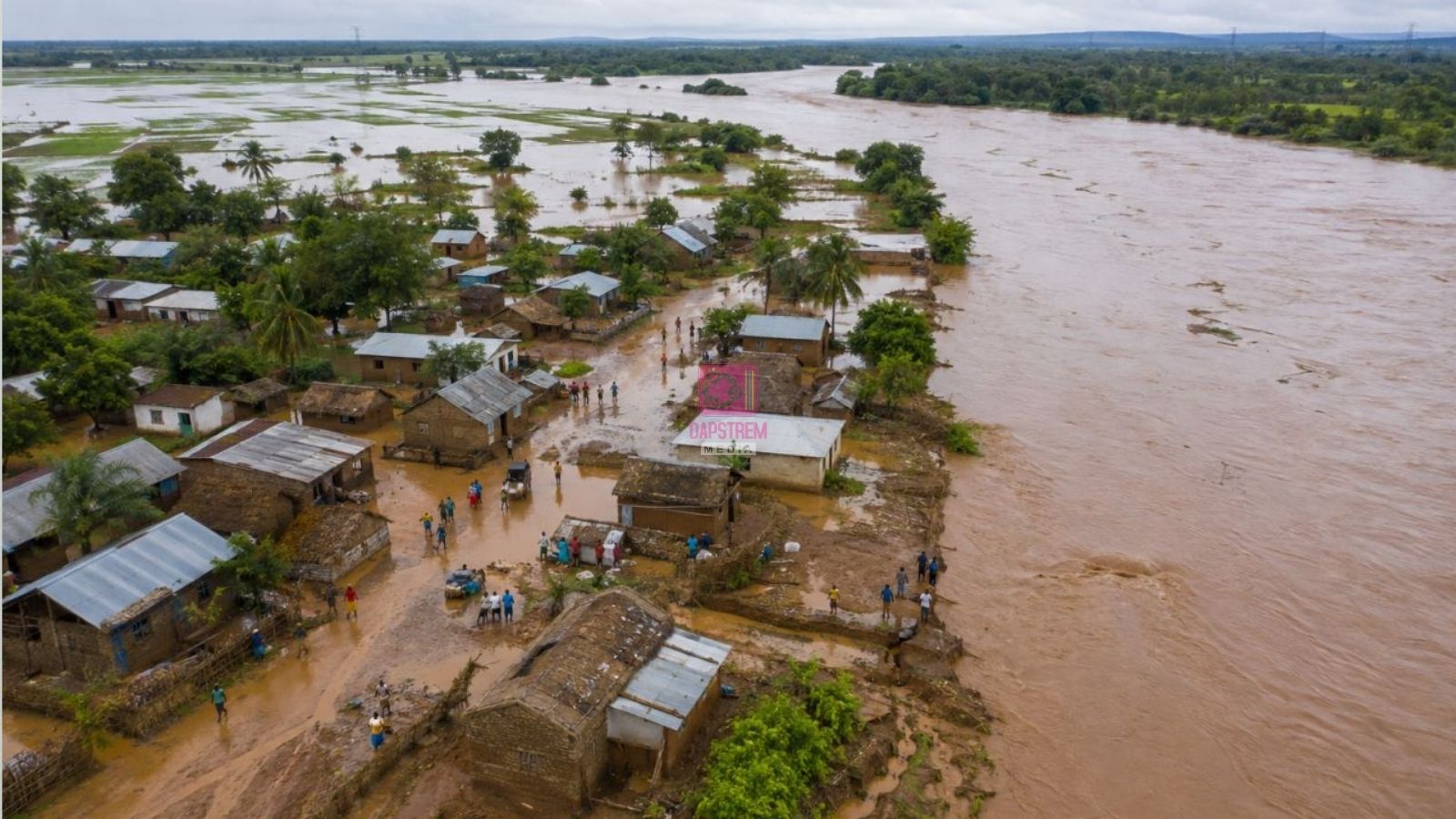
The warning is particularly significant because Kenya has experienced devastating flooding in recent years. Heavy rains have repeatedly caused deaths, displaced families, destroyed homes and damaged roads and bridges. As a result, the latest forecast is being viewed not merely as a routine weather update but as an important early-warning message for households, farmers, businesses and government agencies.
El Niño is a naturally occurring climate phenomenon associated with unusually warm sea-surface temperatures in the central and eastern tropical Pacific Ocean. Its effects can extend far beyond the Pacific, influencing rainfall and temperature patterns in different parts of the world. The World Meteorological Organization said in June that El Niño conditions were developing and warned that the phenomenon could increase the risk of extreme weather over the coming months. (World Meteorological Organization)
For Kenya, one of the most important concerns is the possibility of unusually heavy rainfall during the October-November-December period, commonly known as the short-rains season. El Niño has historically been associated with enhanced rainfall over parts of East Africa, although its effects are not identical in every county or season.
The Kenya Meteorological Department had earlier indicated an approximately 80 per cent probability of El Niño developing during the latter part of 2026, with forecasts subsequently pointing towards a potentially strong event.
The latest warning means preparations cannot be delayed.
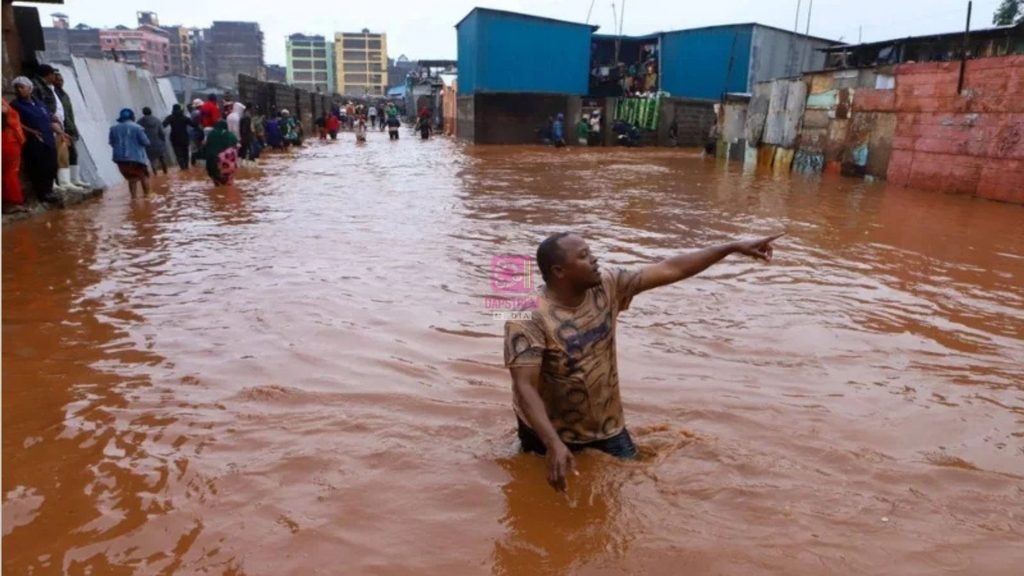
For ordinary Kenyans, the most immediate concern is flooding. Heavy rainfall can quickly overwhelm drainage systems, especially in densely populated urban areas where rapid development has placed pressure on existing infrastructure. Nairobi and other major towns have repeatedly experienced flash floods following intense rainfall, with roads becoming impassable, homes inundated and motorists stranded.
The risk is not limited to urban centres.
Communities living near rivers, dams, wetlands and other flood-prone areas could face significant danger if rainfall exceeds normal levels for extended periods. Rivers can rise rapidly after prolonged rainfall, sometimes threatening communities located far away from the areas where the heaviest rain actually falls.
The danger can also increase where drainage channels have been blocked by waste or where construction has taken place on natural water pathways.
Kenya’s experience with previous flooding has demonstrated how quickly a heavy downpour can turn into a humanitarian emergency. In 2024, for example, severe flooding affected dozens of counties and caused hundreds of deaths and widespread displacement. More recently, heavy rains in 2026 have again caused flooding and disruption in several parts of the country.
These experiences have made preparedness particularly important this year.
The Kenya Meteorological Department’s warning should therefore be viewed as an opportunity for households and authorities to take preventive action before the rains intensify rather than waiting until flooding has already begun.
One of the biggest areas of concern is infrastructure.
Heavy rainfall can damage roads, bridges, drainage systems, electricity infrastructure and water facilities. Roads in rural areas can become difficult or impossible to use, affecting the movement of people and agricultural produce.
Major highways are also vulnerable to flooding, landslides and washouts.
The National Disaster Operations Centre has already warned that expected El Niño rains could cause disruptions along several major transport corridors. The government has said it is preparing measures, including the deployment of boats to major water bodies where necessary, as part of efforts to reduce the impact of flooding on transportation.
For businesses, disrupted transport can have serious economic consequences.
When roads are flooded or bridges are damaged, goods may fail to reach markets on time. Public transport services can also be disrupted, affecting workers and students. In urban areas, businesses may be forced to close temporarily if floodwaters enter commercial premises.
The agricultural sector will also be closely watching the forecast.
Rainfall can be beneficial to farmers if it is well distributed and occurs at the right time. Adequate rains could improve crop production, replenish water sources and support livestock.
However, excessive rainfall can quickly turn into a threat.
Heavy downpours can wash away crops, erode soil, destroy farms and cause waterlogging. Farmers growing crops in low-lying areas could be particularly vulnerable to flooding.
Livestock keepers may also face difficulties if grazing areas are flooded or if animal diseases spread because of wet conditions.
This creates a complicated situation for the agricultural sector because the same rainfall that could provide relief to farmers can also cause significant losses if it becomes excessive.
Food prices could consequently be affected if major producing areas suffer crop damage.
The impact of the rains could also extend to public health.
Flooding frequently creates conditions that increase the risk of waterborne diseases because sewage systems can overflow and clean water sources can become contaminated.
Standing water can also create breeding grounds for mosquitoes, potentially increasing the risk of mosquito-borne diseases in vulnerable communities.
Health facilities located in flood-prone areas could themselves become difficult to access, particularly if roads are cut off.
This makes early preparation essential for county governments and health authorities.
Hospitals and clinics in areas likely to experience heavy rainfall may need to prepare for increased demand, while communities should be reminded about the importance of drinking safe water and maintaining proper sanitation during the rainy period.
Schools are another area that could experience disruption.
Heavy rainfall can make roads and footpaths difficult for students to use, particularly in rural areas. Flooded classrooms, damaged buildings and impassable roads can also affect learning.
The timing of the expected rains is especially important because the October-to-December period coincides with national examinations and other important activities in Kenya’s education calendar.
The government has already been discussing the possibility of weather-related disruptions to the 2026 examination period. The Ministry of Education has indicated that contingency planning is being considered as authorities monitor the developing El Niño situation.
For parents, this means keeping up with official announcements and ensuring that children can safely travel to examination centres if heavy rains occur.
The possibility of landslides is another major concern.
Areas with steep terrain, particularly parts of the highlands, can become dangerous after prolonged rainfall. Saturated soils may lose stability, causing mudslides and landslides that can bury homes, block roads and cut off communities.
This risk is particularly serious in areas with a history of landslides.
Residents living near steep slopes should therefore pay attention to official warnings and be prepared to move to safer locations if authorities issue evacuation orders.
The government also has a responsibility to ensure that disaster response teams are adequately prepared.
Emergency equipment, rescue teams, medical supplies and communication systems should be positioned in vulnerable areas before the worst of the rains arrive.
Early warning is only useful if it is followed by early action.
Meteorological information needs to reach communities in language and formats that ordinary residents can understand. County governments, chiefs, community leaders, schools and humanitarian organisations all have a role to play in ensuring that warnings reach people who may not regularly follow national news.
The experience of previous disasters has shown that the final stage of weather warnings is often the most important.
A forecast issued by meteorologists can only save lives if the information reaches the person living beside a river, the farmer working on a steep hillside or the motorist preparing to cross a flooded road.
Kenya therefore needs a coordinated response involving national and county governments, emergency agencies, humanitarian organisations and local communities.
There is also an important lesson in the fact that El Niño does not affect every part of Kenya in exactly the same way.
While some regions may experience excessive rainfall, others can experience different conditions. The Greater Horn of Africa climate outlook has previously highlighted variations in rainfall patterns across the region, demonstrating why local and county-level forecasts remain important rather than relying solely on a national picture.
Kenyans should therefore continue checking updated forecasts as the season approaches.
Weather forecasts can change as new climate data becomes available, and the intensity and distribution of rainfall can vary significantly.
The latest warning should not be interpreted as a prediction that every part of Kenya will experience flooding.
Instead, it is an indication that the probability of unusually wet conditions is elevated and that authorities and residents should prepare accordingly.
The developing El Niño has also attracted international attention.
The World Meteorological Organization warned earlier this year that the phenomenon could influence global rainfall and temperature patterns and increase the risk of extreme weather.
More recent forecasts have raised concerns that the 2026 El Niño could become exceptionally strong. Reuters reported last week that forecasters were considering the possibility of a very strong event, with significant implications for weather patterns around the world.
For East Africa, the concern is particularly significant because the region has experienced both drought and flooding in recent years.
Communities that have struggled with prolonged dry conditions can suddenly face destructive rainfall when climate patterns shift.
This makes disaster planning more complicated because authorities must prepare for different possible outcomes rather than assuming that more rain will automatically be beneficial.
Kenya’s urban centres deserve particular attention.
Nairobi has experienced severe flooding during periods of intense rainfall, exposing weaknesses in drainage systems and development planning. Poor drainage, construction on waterways, inadequate waste management and settlement in flood-prone areas can all make the consequences of heavy rainfall worse.
Heavy rain itself is a natural event, but the level of damage it causes is often influenced by human factors.
A well-drained neighbourhood with functioning infrastructure can withstand rainfall that could overwhelm a poorly planned settlement.
This means that the El Niño warning should also encourage authorities to address long-standing infrastructure problems.
Drainage systems need to be cleared, vulnerable bridges inspected and areas at risk of flooding identified before the rains intensify.
Residents can also take simple precautions.
Households should avoid blocking drainage channels with waste, keep important documents and valuables in waterproof storage and identify safer routes out of flood-prone areas.
Motorists should exercise extreme caution when driving during heavy rainfall. Floodwater can be deeper and stronger than it appears, and attempting to cross a flooded road can be extremely dangerous.
Pedestrians should also avoid walking through fast-moving floodwater.
Parents should ensure that children are aware of the dangers of playing near swollen rivers, drainage channels and flooded roads.
Farmers can also use the forecast to adjust planting and harvesting plans where possible.
Agricultural extension officers and county governments will have an important role in helping farmers interpret the forecast and make informed decisions.
For communities living along rivers, preparation should begin before water levels rise.
Early evacuation is far safer than attempting to escape after homes have already been surrounded by water.
The government, meanwhile, will be judged not only by how well it responds to flooding but also by how effectively it prepares beforehand.
The warning has come early enough for authorities to strengthen response systems, identify vulnerable communities and communicate clearly with the public.
Kenya has learned difficult lessons from previous floods, and the country has an opportunity to apply those lessons before the next major rainfall episode.
The coming months will therefore be an important test of Kenya’s disaster preparedness.
If the rains arrive as strongly as forecast, the effectiveness of early-warning systems, drainage infrastructure, rescue operations and coordination between national and county governments will be put under considerable pressure.
But the forecast also presents an opportunity.
Good rains can replenish reservoirs, support agriculture and restore water sources after dry periods. The challenge is ensuring that the benefits of the rainfall are captured while the risks are managed.
For now, Kenyans should remain alert without panicking.
The Kenya Meteorological Department’s warning is a call for preparation, not fear. With accurate information, proper planning and timely intervention, some of the worst consequences of heavy rainfall can be prevented.
The message from meteorologists is clear: the October-to-December 2026 rainy season could be unusually wet across much of Kenya, with El Niño increasing the risk of heavy downpours, floods and landslides.
As September approaches, households, farmers, businesses and government agencies have a limited but valuable window to prepare.
The priority should be simple—listen to official forecasts, avoid known danger zones, strengthen vulnerable infrastructure and act on warnings before emergencies develop.
After witnessing the devastating effects of floods in recent years, Kenya cannot afford to wait for the water to rise before taking action.