With the August 2027 election fast approaching, delays in passing critical electoral reforms are raising concerns over the IEBC’s ability to plan, procure and implement key changes in time.
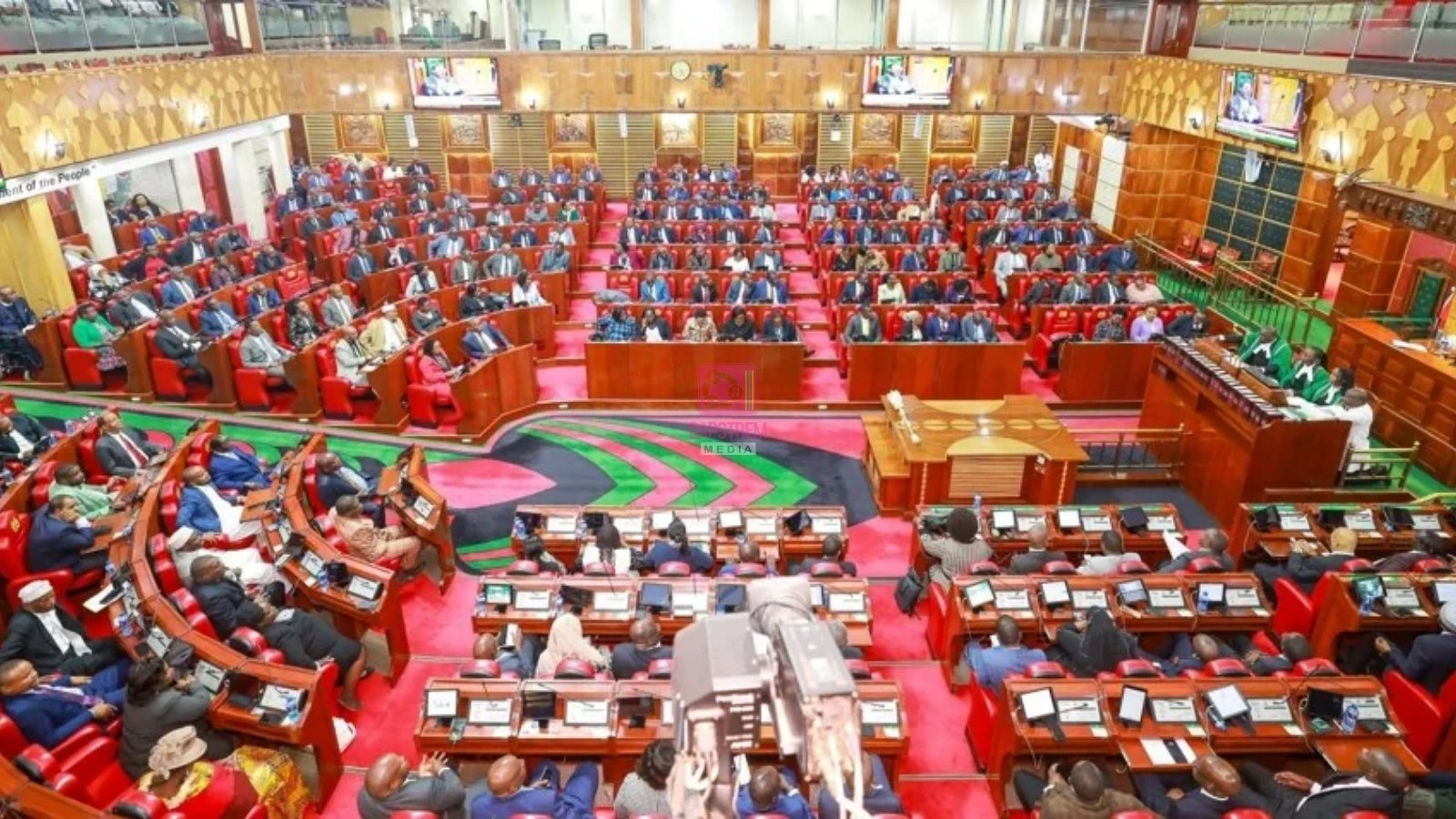
Kenya is entering a critical phase of preparations for the 2027 General Election, but several proposed electoral reforms remain unresolved in Parliament, creating a race against time for lawmakers and the Independent Electoral and Boundaries Commission (IEBC).
The outstanding reforms cover some of the most sensitive areas of the electoral process, including campaign financing, election offences, political parties, voter registration, technology and the management of election results. The IEBC has warned that continued delays could interfere with its operational planning and procurement, particularly because many election activities are governed by statutory deadlines.
The concern comes as the country moves closer to the August 10, 2027 election. The IEBC has already activated its electoral calendar, with continuous voter registration underway and preparations for the poll gathering pace. As of August 20, 2026, more than 2.9 million new voters had registered, with the commission projecting a final register of approximately 28.5 million voters.
Reform proposals caught in the legislative process
Among the key pieces of legislation is the Elections (Amendment) Bill, 2024, which seeks to strengthen post-election evaluation and improve several aspects of electoral administration.
The Bill proposes an independent evaluation of the electoral process within a year of a General Election. It would cover areas including the voter register, voting and counting procedures, procurement, election technology, human resources, costs and dispute resolution. The Senate passed the Bill in December 2024, and it was subsequently transmitted to the National Assembly.
The Elections (Amendment) (No. 2) Bill, 2024 has followed an even more complicated route. According to Parliament’s legislative tracker, the National Assembly and Senate disagreed over amendments, with the Senate rejecting National Assembly amendments in March 2026. The Bill was subsequently referred to a mediation process before being passed again by the Senate with amendments and returned to the National Assembly.
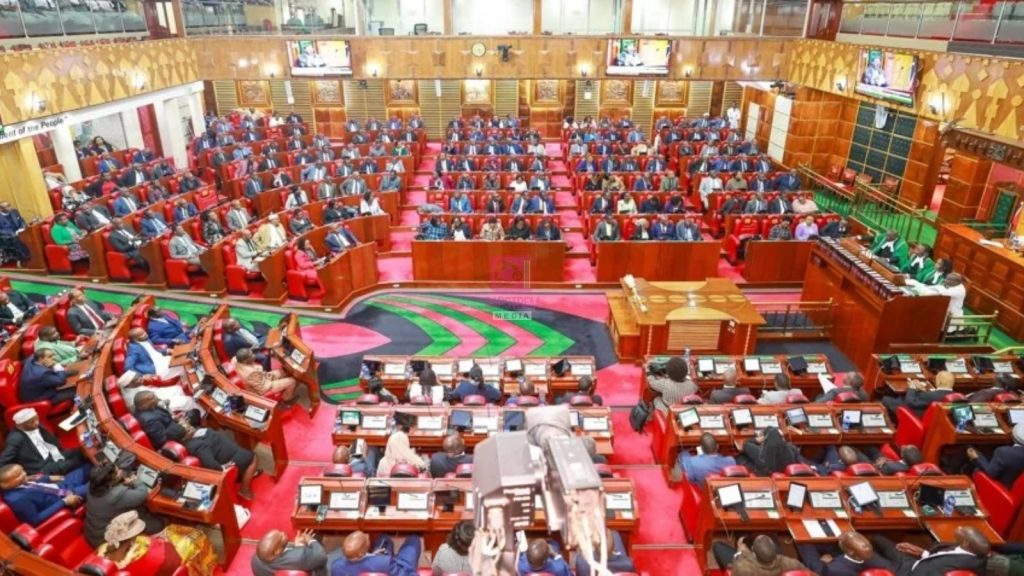
The legislative delays are significant because electoral law changes require more than simply passing a Bill. Once enacted, the IEBC must translate the new legal framework into regulations, systems, procurement decisions, training and operational procedures.
Campaign financing remains a major gap
Campaign financing is another area attracting considerable attention.
The IEBC has repeatedly warned that the absence of fully enforceable campaign-financing rules leaves Kenya vulnerable to excessive spending, illicit financing and unequal competition. In February, IEBC Chairperson Erastus Ethekon told lawmakers that stronger legislation was necessary to regulate who can finance political campaigns, how much can be contributed and the sources of campaign money.
The issue is particularly important as political activity intensifies ahead of 2027. Without effective controls, candidates and parties with greater financial resources can enjoy significant advantages in advertising, mobilisation, logistics and voter outreach.
The IEBC’s own Election Operation Plan shows how time-sensitive the process has become. It scheduled public participation on campaign spending limits and regulations for June and August 2026, followed by enforcement activities running through the election cycle.
Political parties and election offences
Proposed amendments to the Political Parties Act are also part of the reform package.
The Political Parties (Amendment) Bill, 2024, among other provisions, seeks to amend rules surrounding political party membership and the circumstances under which elected officials can be considered to have resigned from their parties. Such provisions are particularly relevant in Kenya’s fluid political environment, where elected leaders frequently shift alliances as elections approach.
The Election Offences (Amendment) Bill, meanwhile, proposes tougher penalties for specific violations, including conducting elections at unauthorised polling stations and deliberately interfering with or altering declared results.
The proposed changes are intended to strengthen accountability and close weaknesses exposed during previous election cycles.
Technology and results transmission
Election technology is another area where Parliament is being asked to provide greater clarity.
The IEBC has proposed amendments that would create a complementary mechanism for transmitting results in areas where electronic transmission is impossible because of inadequate network coverage. The commission has also said the proposals would strengthen verification by requiring electronic transmission of images of the original result forms completed at polling stations.
The debate is especially sensitive because technology has been central to disputes surrounding Kenya’s recent elections. Any changes before 2027 therefore need to be clearly understood by political parties, candidates, election officials and voters well before polling day.
The clock is ticking
The urgency is underscored by the IEBC’s warning that electoral laws should not be repeatedly changed close to an election. The commission has cited the recommendations of the Kriegler Commission, which called for major electoral reforms to be undertaken at least two years before a General Election.
Parliament has previously acknowledged the urgency. National Assembly Speaker Moses Wetang’ula said in October 2025 that lawmakers should complete the Bills within months rather than continue reviewing election laws six or seven months before the election.
There has nevertheless been movement. In June 2026, the Senate Justice, Legal Affairs and Human Rights Committee engaged the Judiciary, IEBC and the Office of the Registrar of Political Parties on electoral preparedness and proposed reforms.
Civil society organisations are also pushing for urgent action. The Election Observation Group and other reform advocates have called for a minimum package of changes before the 2027 poll, arguing that the remaining time requires Parliament and electoral institutions to prioritise reforms that directly affect the credibility of the election.
The challenge now extends beyond passing Bills. Parliament must resolve outstanding legislative disagreements, while the IEBC must have enough time to implement whatever framework emerges.
For voters, the stakes are straightforward: electoral laws determine how campaigns are financed, how parties operate, how voters are registered, how technology is deployed and how election results are managed.
With less than a year remaining before Kenyans return to the ballot box, the reform process has moved from a long-term policy discussion to an immediate electoral priority.
The credibility of the 2027 election will depend not only on what Parliament eventually passes, but also on whether the changes are enacted early enough to be properly implemented.