
Kenya’s Illicit Alcohol Market Hits Sh203 Billion as Government Loses Sh120 Billion in Revenue
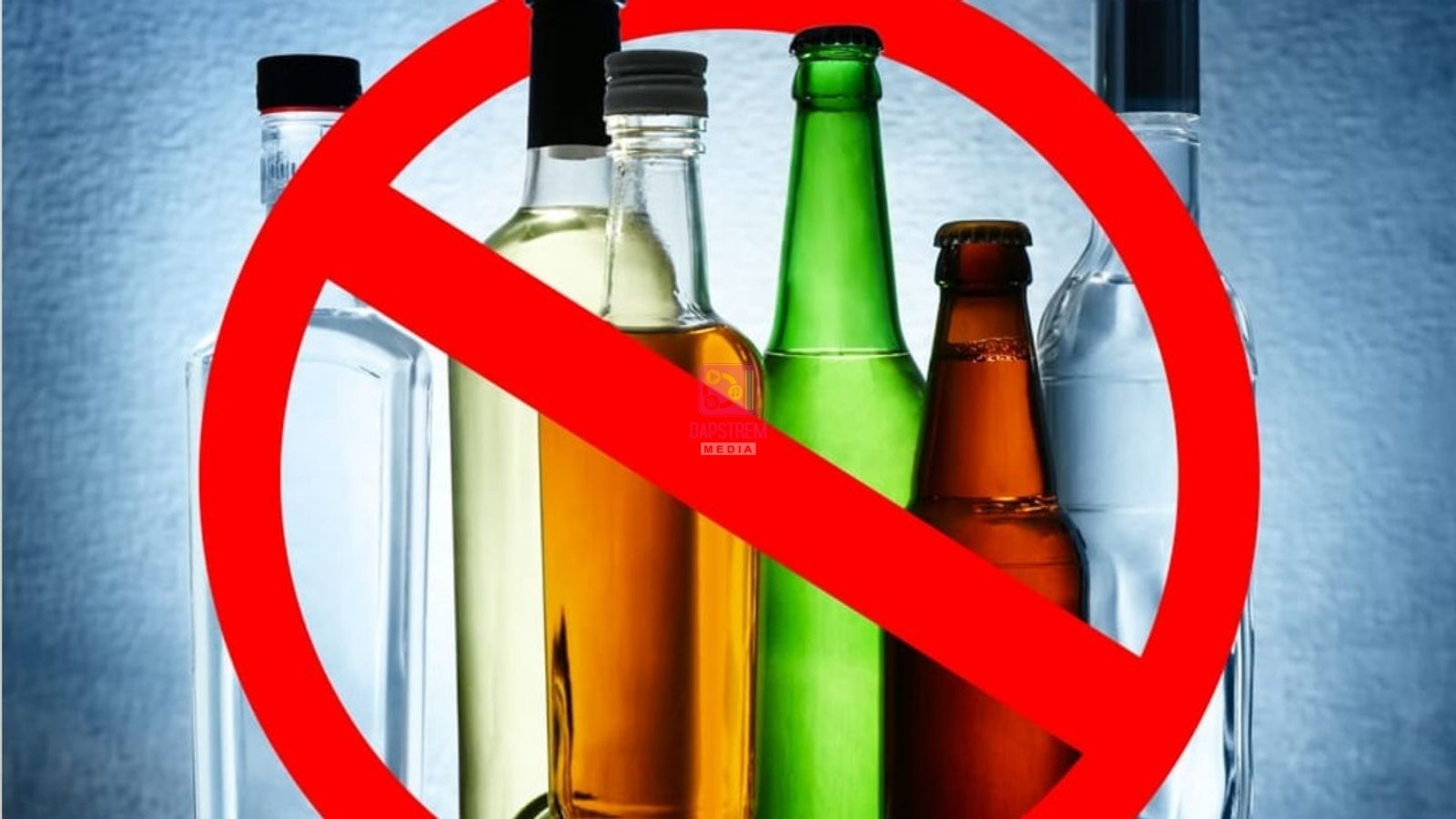
Kenya’s illicit alcohol market has grown into a major economic and public health challenge, with the underground trade now estimated to be worth Sh203 billion and accounting for about 60 per cent of the total alcohol consumed in the country.
The scale of the illegal market highlights a problem that goes far beyond the sale of unlicensed alcoholic beverages. It represents billions of shillings in lost government revenue, threatens legitimate businesses, exposes consumers to potentially dangerous products and contributes to deaths and other social harms associated with unregulated alcohol consumption.
The illicit trade is estimated to cost the government more than Sh120 billion in lost revenue every year, while the consumption of unregulated alcohol is linked to more than 14,000 deaths annually.
The figures paint a worrying picture of an industry operating largely outside the formal economy and demonstrate the difficulties authorities face in controlling the manufacture, distribution and sale of illicit alcoholic products.
For years, Kenya has struggled with the illegal alcohol trade, particularly in areas where cheap and highly concentrated alcoholic drinks are easily accessible. The problem has been worsened by the affordability of illicit products, which can be sold at prices significantly lower than those of legally manufactured and taxed alcoholic beverages.
For consumers struggling with the rising cost of living, the price difference can make illicit alcohol an attractive option.
However, what may appear to be a cheaper alternative comes with significant risks.
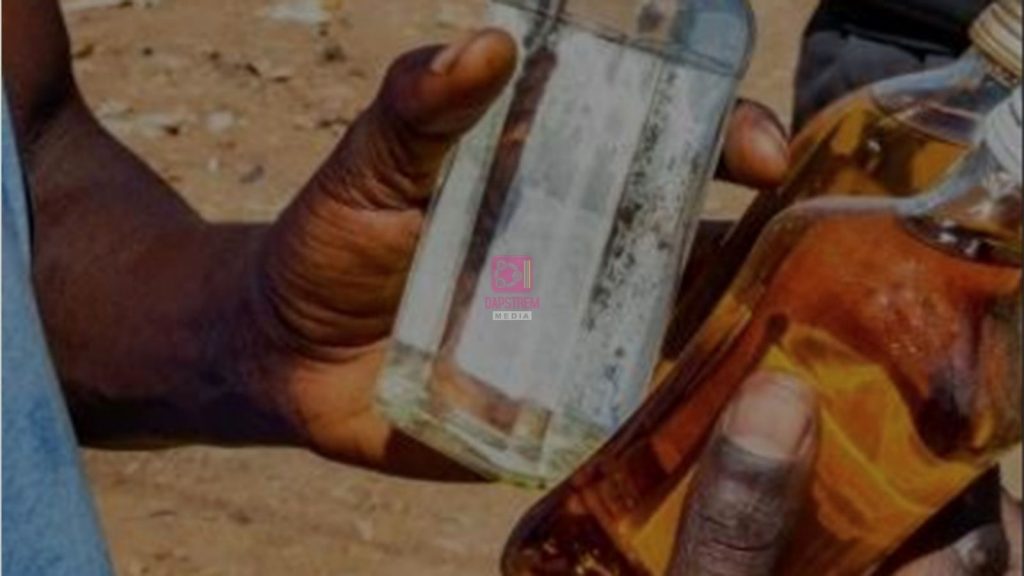
Unlike alcohol produced by licensed manufacturers operating under regulatory standards, illicit alcoholic drinks can be manufactured in unsafe environments, using ingredients whose quality and safety may not be guaranteed. In some cases, consumers may have little information about the alcohol content, ingredients or manufacturing process of the products they are purchasing.
This creates a serious public health concern.
The Sh203 billion estimate also demonstrates how deeply embedded the illicit alcohol economy has become in Kenya.
The money generated through the illegal market represents economic activity that is largely outside the formal tax system. While individuals involved in the trade may generate substantial profits, the government loses revenue that could otherwise be used to finance public services such as healthcare, education, infrastructure and security.
The estimated Sh120 billion annual revenue loss is therefore not simply an accounting problem.
It has a direct impact on the government’s ability to fund programmes that benefit millions of Kenyans.
Every shilling that disappears from the formal alcohol market through illegal production and distribution is revenue that could have contributed to the national budget.
At a time when the government is under pressure to increase domestic revenue and reduce its dependence on borrowing, the scale of the illicit alcohol market raises important questions about how much revenue Kenya could recover by bringing more of the alcohol industry into the formal economy.
The challenge, however, is not as simple as shutting down illegal breweries and arresting traders.
The illicit alcohol market is sustained by a complex combination of demand, poverty, unemployment, taxation, availability and enforcement challenges.
Consumers buy illicit alcohol partly because it is cheaper and readily available. Producers and distributors continue operating because there is a market willing to purchase their products.
This creates a cycle that is difficult to break.
The cost to public health
Perhaps the most worrying aspect of Kenya’s illicit alcohol problem is its impact on human life.
The estimated 14,000 deaths linked to illicit alcohol consumption every year represent thousands of families affected by premature deaths, illness and addiction.
Alcohol-related harm can affect individuals in many ways. Excessive consumption can contribute to liver disease, cardiovascular problems, mental health challenges, injuries and other serious medical conditions.
When the alcohol itself is illicit or contaminated, the risks can become even greater.
Cases of poisoning associated with illicit brews have occurred in different parts of Kenya over the years, sometimes resulting in multiple deaths and permanent disabilities.
The problem is particularly serious when dangerous substances are used in the production of alcoholic drinks or when manufacturers deliberately increase the strength of products to make them more potent.
Consumers may not know exactly what they are drinking.
In informal settlements and rural communities, illicit alcohol can sometimes be sold openly from small premises, homes or informal businesses. The accessibility of these products makes it difficult for authorities to completely eliminate the trade.
Young people can also be exposed to alcohol at an early age when illicit products are easily available.
The consequences extend beyond the individual consumer.
Families can lose breadwinners, children can be left without adequate care and communities can experience increased levels of social instability.
Alcohol dependence can also affect household finances, with individuals spending significant portions of their income on drinking instead of food, school fees, healthcare and other necessities.
The result is a problem that affects both public health and economic wellbeing.
Why illicit alcohol remains attractive
Price remains one of the biggest drivers of the illegal alcohol market.
Legal alcoholic beverages are subject to taxes, licensing requirements and regulatory standards. These costs are ultimately reflected in the price paid by consumers.
Illicit producers, on the other hand, can avoid many of these costs.
They do not necessarily pay excise duty, comply with licensing requirements or invest in the same regulatory processes required of legitimate manufacturers.
This allows them to sell products at significantly lower prices.
For low-income consumers, the difference can be substantial.
A customer who cannot afford a legally produced drink may instead turn to a cheaper alternative. Once that behaviour becomes established, the illicit market can maintain a steady customer base.
Taxation is therefore an important part of the debate.
The government needs revenue from alcohol taxes, but excessively high prices on legal products can unintentionally increase demand for cheaper illicit alternatives.
This does not mean taxation should be abandoned.
Rather, policymakers have to find a balance that protects public health, raises revenue and keeps legitimate products within a price range that consumers can realistically afford.
The solution also requires addressing the underlying economic conditions that allow illegal markets to thrive.
Many people involved in illicit alcohol production and distribution are operating in communities where employment opportunities are limited.
For some, illegal brewing and distribution may provide one of the few available sources of income.
Cracking down on the trade without creating alternative economic opportunities could therefore push some individuals into other forms of illegal activity.
A long-term solution must combine enforcement with economic empowerment.
The impact on legitimate businesses
The growth of illicit alcohol also creates unfair competition for licensed manufacturers and retailers.
Legal businesses invest heavily in compliance, licensing, quality control, packaging, distribution networks and taxes.
They are required to follow government regulations and meet specific standards before placing products on the market.
Illicit operators can avoid many of these costs.
This creates an uneven playing field.
A legitimate manufacturer may spend millions of shillings meeting regulatory requirements while an illegal producer can sell a cheaper product without paying the same taxes or complying with the same standards.
If the problem continues unchecked, legitimate businesses may lose customers and revenue.
This can affect jobs across the formal alcohol industry, including manufacturing, transportation, retail and hospitality.
It can also undermine investment.
Businesses are less likely to invest in a market where illegal operators can consistently undercut them without facing meaningful consequences.
The government therefore has an economic interest in combating illicit alcohol beyond the issue of lost tax revenue.
Protecting legitimate businesses helps preserve employment, investment and economic activity.
Enforcement remains a major challenge
Kenya has introduced various measures over the years to control illicit alcohol, including licensing requirements, inspections, product standards, restrictions on alcohol sales and enforcement operations.
Despite these efforts, the illegal market continues to exist.
One reason is the sheer size and decentralised nature of the trade.
Illicit alcohol is not necessarily produced in large factories that can be easily identified and shut down. Production can take place in small facilities, homes and hidden premises spread across different communities.
Once authorities close one operation, another can emerge elsewhere.
This creates a constant enforcement challenge.
Authorities also have to deal with the entire supply chain.
Stopping production is only one part of the problem. Illegal alcohol must also be transported, distributed and sold to consumers.
Effective enforcement therefore requires cooperation between national and county governments, law enforcement agencies, regulators and local communities.
Corruption is another issue that cannot be ignored.
Where illegal businesses generate large amounts of money, there can be attempts to bribe officials or secure protection from enforcement.
If corrupt individuals enable illicit producers to continue operating, even well-designed laws can become ineffective.
Strengthening accountability within enforcement agencies is therefore essential.
Consumers also have a role to play
While the government has the primary responsibility for regulation and enforcement, consumers also have an important role in addressing the problem.
People need greater awareness of the dangers associated with consuming unregulated alcoholic products.
A product that is significantly cheaper than its legal alternatives may appear attractive, but consumers should consider what they are sacrificing for the lower price.
Public education campaigns can help people understand how to identify licensed products and the dangers of consuming alcohol from unknown sources.
Such campaigns should particularly target communities where illicit alcohol is widespread.
However, education alone will not solve the problem.
Consumers will continue purchasing illicit products if they cannot afford legal alternatives or if the illegal products are more readily available.
That means public education must be accompanied by enforcement, economic interventions and responsible alcohol policies.
A major opportunity for government
The Sh203 billion illicit alcohol market presents the Kenyan government with both a major challenge and a significant opportunity.
If even a portion of that economic activity could be moved into the formal sector, the government could potentially recover substantial revenue while improving consumer safety.
Formalisation would mean more businesses operating legally, more products being subject to quality standards and more alcohol sales contributing to government revenue.
But formalisation should be carefully designed.
Simply forcing informal producers to obtain expensive licences may not work.
Some small-scale operators may be unable to meet the cost of compliance.
Government agencies could explore realistic pathways that encourage small producers to enter the legal economy while maintaining strict safety standards.
This could include affordable licensing frameworks, training, access to compliant production facilities and clearer regulations.
At the same time, deliberate production and sale of dangerous or contaminated alcohol must continue to attract serious penalties.
There must be a clear distinction between small businesses that can be brought into the formal economy and criminal networks deliberately producing unsafe products for profit.
The human cost must remain at the centre
The debate over illicit alcohol should not become purely about tax revenue.
The Sh120 billion in lost revenue is significant, but the thousands of lives reportedly lost every year demonstrate that the problem is ultimately about people.
Behind every alcohol-related death is a family.
There are parents who lose children, children who lose parents, spouses who lose partners and communities that lose productive members.
The economic consequences can also continue long after a death.
Families may struggle with medical expenses, loss of income and the cost of caring for people who develop long-term health complications.
This means addressing illicit alcohol can have benefits far beyond increasing tax collections.
A successful strategy could improve public health, protect families, strengthen legitimate businesses, create safer communities and increase government revenue at the same time.
Kenya needs a coordinated response
The scale of the problem suggests that Kenya needs a coordinated national strategy rather than isolated enforcement operations.
The government should strengthen intelligence-led enforcement against major producers and distributors while avoiding an approach that focuses only on small-scale sellers.
Regulators should improve tracking systems that make it easier to distinguish legitimate products from illicit ones.
County governments should also play their part by ensuring that licensing and local enforcement systems are not compromised.
At the same time, public health agencies should increase awareness of the dangers of illicit alcohol and expand access to treatment and support for people struggling with alcohol dependence.
Economic programmes should also target communities where illicit brewing has become a significant source of income.
If alternative livelihoods are available, people may have greater incentives to leave the illegal trade.
The fight against illicit alcohol will therefore require more than police raids.
It will require a combination of enforcement, taxation policy, public health interventions, consumer education, economic empowerment and institutional accountability.
A problem Kenya can no longer ignore
The estimated Sh203 billion value of Kenya’s illicit alcohol market is a powerful indication of the scale of the challenge facing the country.
With the illegal sector accounting for about 60 per cent of alcohol consumed and costing the government more than Sh120 billion in potential revenue, the issue has become too large to treat as a minor regulatory problem.
The reported loss of more than 14,000 lives every year makes the situation even more urgent.
Kenya now faces a difficult but necessary task: dismantling an underground alcohol economy that has become deeply embedded in society while ensuring that legitimate businesses and responsible consumers are not unfairly punished.
The government must address the reasons consumers turn to illicit alcohol while taking firm action against those who deliberately manufacture and distribute dangerous products.
For the millions of Kenyans affected directly or indirectly by alcohol-related harm, the success of such efforts will not be measured only in billions of shillings recovered by the Treasury.
It will be measured in lives protected, families kept together, businesses operating fairly and communities made safer.
The size of the illicit alcohol market shows that Kenya has a serious problem on its hands. But it also shows that there is a significant opportunity to reclaim lost revenue, improve public health and bring a large part of the economy into the formal sector.
What is required now is sustained action, stronger enforcement, better regulation and a realistic understanding of why the illicit market continues to thrive.
Without such a comprehensive approach, the underground alcohol industry is likely to continue growing, leaving the government with billions in lost revenue and communities to bear the much heavier cost of preventable deaths and alcohol-related harm.