National Assembly Committee Approves Duncan Ojwang as New IPOA Chairperson
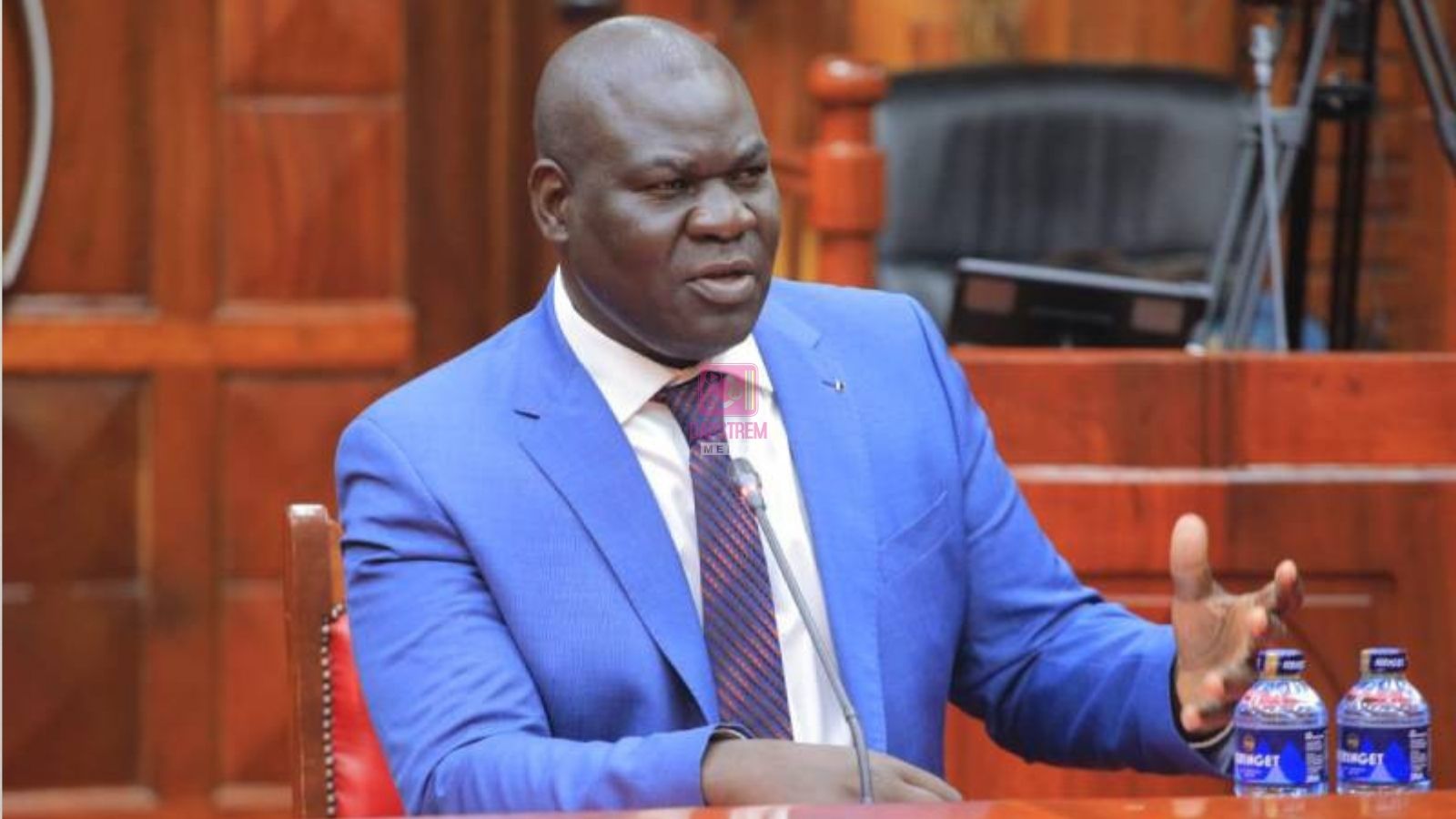
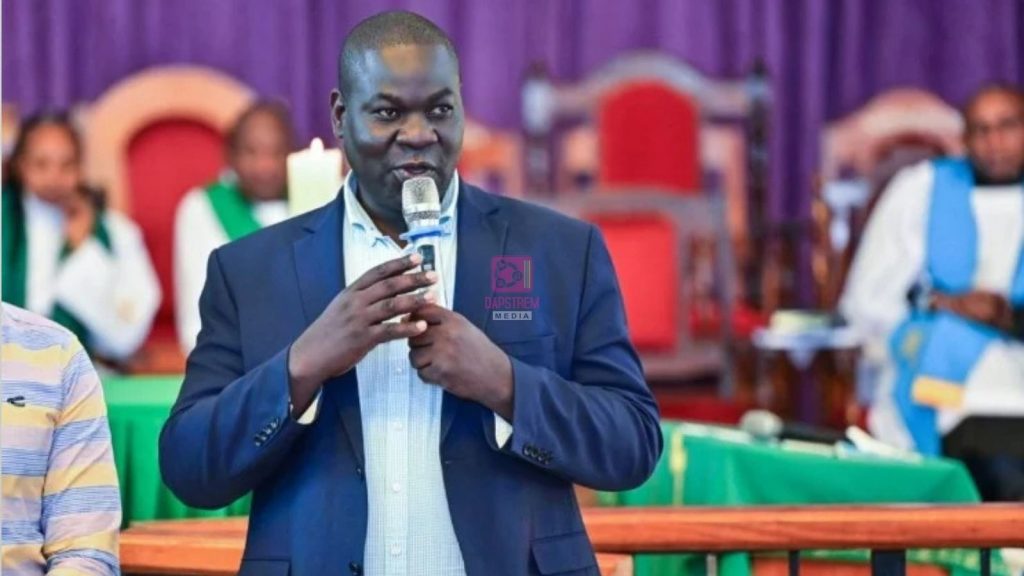
The National Assembly Departmental Committee on Administration and Internal Security has approved the appointment of Duncan Ojwang as the new chairperson of the Independent Policing Oversight Authority (IPOA), paving the way for his appointment to lead the country’s key police oversight institution.
The committee’s decision comes at a significant time for Kenya’s security sector, with IPOA continuing to play a central role in investigating allegations of police misconduct, examining deaths and serious injuries involving police officers, and promoting accountability within the National Police Service.
Ojwang’s appointment follows the vacancy created after the appointment of former IPOA chairperson Issack Hassan as a Judge of the Court of Appeal. Hassan’s elevation to the Judiciary left the leadership position at IPOA vacant, creating the need for a new chairperson to steer the authority as it continues to deal with sensitive issues surrounding policing, public safety and accountability.
The approval by the parliamentary committee is an important step in the process because IPOA occupies a unique position in Kenya’s security and governance framework. The authority was established under the Independent Policing Oversight Authority Act, 2011, with the responsibility of providing civilian oversight over the work of the National Police Service.
The institution has, over the years, become an important avenue through which members of the public can seek accountability when they believe police officers have acted unlawfully or abused their authority.
With Ojwang now receiving the committee’s backing, attention is likely to shift to the next stage of the appointment process and, eventually, to the priorities he will pursue once he assumes office.
Why Ojwang’s Appointment Matters
The chairperson of IPOA occupies a sensitive position because the authority operates at the intersection of policing, human rights, public safety and accountability.
Kenya’s police service has enormous responsibilities. Police officers are expected to maintain law and order, prevent and investigate crime, protect lives and property and respond to emergencies. At the same time, they are required to exercise their powers within the limits of the Constitution and the law.
IPOA exists partly to ensure that those powers are not abused.
The authority investigates complaints and allegations of misconduct by members of the National Police Service. It can also investigate deaths and serious injuries caused by police action, inspect police premises and monitor police operations.
This makes its leadership particularly important.
The chairperson is expected to provide strategic direction while helping ensure that the authority remains independent, professional and credible in the eyes of the public.
Ojwang will therefore inherit an institution operating in an environment where public confidence in policing remains a major national issue.
His appointment comes as Kenya continues to debate police conduct during demonstrations, arrests, investigations, crowd-control operations and other security operations. Civil society organisations and human rights groups have repeatedly called for stronger accountability mechanisms, while police authorities have maintained that officers also require support and protection as they perform difficult duties.
The new IPOA chairperson will consequently have to balance competing demands while ensuring that the authority remains focused on its legal mandate.
A Vacancy Created by Issack Hassan’s Appointment
The position became vacant following the appointment of Issack Hassan as a Judge of the Court of Appeal.
Hassan is a well-known figure in Kenya’s public institutions, having previously served as chairperson of the Independent Electoral and Boundaries Commission before taking up the IPOA leadership role.
His appointment to the Court of Appeal marked a new chapter in his career and created the need for the government to identify another person capable of leading the police oversight authority.
The vacancy came at a time when IPOA was handling a wide range of matters relating to police conduct and accountability.
The appointment of Ojwang is therefore expected to provide continuity while also giving the authority an opportunity to strengthen its systems and approach under new leadership.
Leadership changes at independent institutions can often attract significant public attention because of the influence such offices have on governance and accountability.
In IPOA’s case, the chairperson must be able to operate independently while maintaining constructive relations with the National Police Service, Parliament, the Judiciary, government agencies and members of the public.
That requires a person capable of handling politically and socially sensitive matters without compromising the authority’s mandate.
What Awaits the New IPOA Chairperson
Once formally appointed and in office, Ojwang is expected to face a demanding workload.
One of the biggest challenges will be strengthening public confidence in police accountability.
For many Kenyans, the effectiveness of IPOA is measured by whether complaints against police officers are investigated thoroughly and whether appropriate action follows when wrongdoing is established.
This places enormous responsibility on the authority to ensure that investigations are professional, independent and timely.
Delays can undermine public confidence, particularly in cases involving deaths, serious injuries or allegations of excessive use of force.
The new chairperson will therefore be expected to strengthen the authority’s ability to investigate complaints efficiently while ensuring that cases are handled in accordance with the law.
Another important issue will be cooperation between IPOA and the National Police Service.
Although IPOA provides independent oversight, its work inevitably involves interactions with police officers and police institutions. Investigators may need access to police records, stations, officers, equipment and other evidence when conducting investigations.
Maintaining a productive working relationship with the police while preserving institutional independence will be one of the most delicate responsibilities facing the new chairperson.
The authority must be able to scrutinise police conduct without being perceived as an adversary of the police service.
At the same time, cooperation should never compromise the independence required for credible investigations.
Police Accountability Remains a Major National Issue
Ojwang’s appointment comes at a time when police accountability remains one of the most discussed governance issues in Kenya.
Over the years, the country has witnessed debates surrounding allegations of excessive use of force, unlawful arrests, deaths in custody, enforced disappearances and misconduct during public demonstrations.
These issues have generated strong reactions from politicians, human rights organisations, civil society groups and members of the public.
The police, however, operate in a challenging environment where officers routinely confront crime, violent offenders, protests and other security threats.
The debate around policing therefore needs to recognise both sides of the issue.
Police officers require adequate resources, training and institutional support to perform their duties effectively. At the same time, citizens have a constitutional right to protection from unlawful or excessive use of state power.
IPOA’s role is to help ensure that accountability remains part of that equation.
The authority’s work should not be interpreted as an attempt to weaken the police. Instead, effective oversight can strengthen policing by helping identify misconduct, addressing weaknesses and improving professional standards.
A police service that is trusted by the public is more likely to receive cooperation from communities and citizens.
That trust is essential for effective crime prevention and law enforcement.
Parliament’s Role in the Appointment
The involvement of the National Assembly Departmental Committee on Administration and Internal Security highlights Parliament’s oversight responsibility in matters involving national security institutions and public accountability.
By scrutinising candidates for important public offices, Parliament seeks to ensure that individuals appointed to such positions meet the necessary qualifications and are capable of performing their responsibilities.
The committee’s approval of Ojwang therefore represents an important stage in determining who will lead IPOA.
Parliamentary vetting also provides an opportunity for questions to be raised about a nominee’s experience, integrity, understanding of the institution and vision for the position.
For an institution as sensitive as IPOA, such scrutiny is particularly important.
The chairperson must not only understand matters of governance and administration but also appreciate the constitutional principles governing policing and human rights.
The person must be capable of making difficult decisions and defending the independence of the institution when necessary.
Ojwang’s approval suggests that the committee was satisfied with his suitability for the position.
However, his effectiveness will ultimately be judged by his performance after taking office.
The Need for an Independent and Strong IPOA
IPOA’s independence remains one of the most important factors in its ability to perform its mandate.
Police oversight can only be effective if members of the public believe that complaints will be investigated without political interference or institutional bias.
That means the authority must be prepared to investigate allegations regardless of the identity or rank of the police officer involved.
Whether a complaint concerns a junior officer at a local police station or a senior officer involved in a major operation, the same principles of fairness and accountability should apply.
The new chairperson will therefore have an opportunity to reinforce that culture.
He will also need to work with IPOA commissioners and staff to ensure that the authority has the capacity required to conduct complex investigations.
Modern policing increasingly involves technology, surveillance systems, digital communications and sophisticated investigative techniques. Oversight institutions must keep pace with these developments.
IPOA may also need to strengthen its public engagement mechanisms so that ordinary citizens understand how to file complaints and what to expect after submitting them.
An oversight institution cannot be effective if the people it is supposed to serve do not know how to access it.
Expectations from Kenyans
Kenyans are likely to expect Ojwang to provide strong and impartial leadership once he assumes the position.
Among the key expectations will be faster handling of complaints, stronger investigations into serious allegations against police officers and greater transparency regarding the progress and outcomes of cases.
There will also be expectations that IPOA will continue monitoring police operations and provide recommendations that can improve professionalism within the National Police Service.
For victims and families affected by alleged police misconduct, the authority represents an important avenue for seeking answers and accountability.
Their concerns cannot be reduced to statistics.
Behind every complaint involving death or serious injury is a family seeking information, justice and closure.
The effectiveness of IPOA should therefore ultimately be measured by whether it is able to give such cases the seriousness they deserve.
At the same time, the authority must protect the rights of police officers accused of wrongdoing by ensuring that investigations are fair and evidence-based.
Accountability does not mean automatically assuming that an officer is guilty whenever a complaint is made.
It means establishing the facts and ensuring that the law applies equally to everyone.
A New Chapter for IPOA
The appointment of Duncan Ojwang comes at a crucial moment for IPOA.
The departure of Issack Hassan to the Court of Appeal created a leadership gap, but the approval of his successor provides an opportunity for the authority to begin a new chapter.
Ojwang will inherit an institution with an established mandate and significant public expectations.
His challenge will be to build on existing achievements while addressing areas where the authority may need improvement.
He will also have to navigate an increasingly complex political and security environment.
As Kenya continues to experience political demonstrations, public protests, debates over police conduct and growing demands for accountability, IPOA’s role is likely to remain under intense scrutiny.
The authority must therefore remain focused on its mandate and avoid being drawn into partisan political disputes.
Its credibility will depend on whether Kenyans believe that it is independent and committed to the rule of law.
For the National Police Service, the appointment could also represent an opportunity for stronger cooperation with the oversight body.
Constructive engagement between the police and IPOA can help identify systemic problems and develop solutions rather than allowing every disagreement to become an institutional confrontation.
The ultimate goal should be a professional police service that protects citizens while respecting their constitutional rights.
Looking Ahead
With the National Assembly committee having approved Duncan Ojwang’s appointment, the focus now turns to the remaining formal steps before he takes over as chairperson of IPOA.
His appointment follows the elevation of Issack Hassan to the Court of Appeal and comes at a time when the country is paying close attention to questions of police conduct and accountability.
The new chairperson will have an important responsibility to strengthen public confidence in the oversight system and ensure that IPOA remains an independent institution capable of investigating allegations of police misconduct without fear or favour.
The coming months will reveal how Ojwang approaches the task.
Kenyans will be watching whether he can improve the speed and quality of investigations, strengthen cooperation with the National Police Service, enhance transparency and ensure that victims of alleged police misconduct have access to a credible accountability mechanism.
At the same time, his leadership will be tested by the political and security environment in which IPOA operates.
The authority cannot afford to lose public confidence.
For IPOA to remain effective, its leadership must demonstrate professionalism, independence and commitment to constitutional values.
Ojwang now has the opportunity to establish that kind of leadership.
His appointment is not simply about filling a vacant position. It is about placing a new leader at the helm of one of Kenya’s most important institutions for police accountability at a time when public trust, human rights and responsible policing remain central national concerns.
The success of his tenure will ultimately depend on whether IPOA can continue serving as a credible bridge between citizens demanding accountability and a police service entrusted with maintaining law and order.
For now, Parliament’s approval marks an important step. The bigger test will come when Duncan Ojwang takes the chair and begins the work of leading IPOA through the complex policing, security and accountability challenges facing Kenya.