Three Suspects Detained for 30 Days as Investigations Into Dr Victoria Mutiso’s Murder Intensify
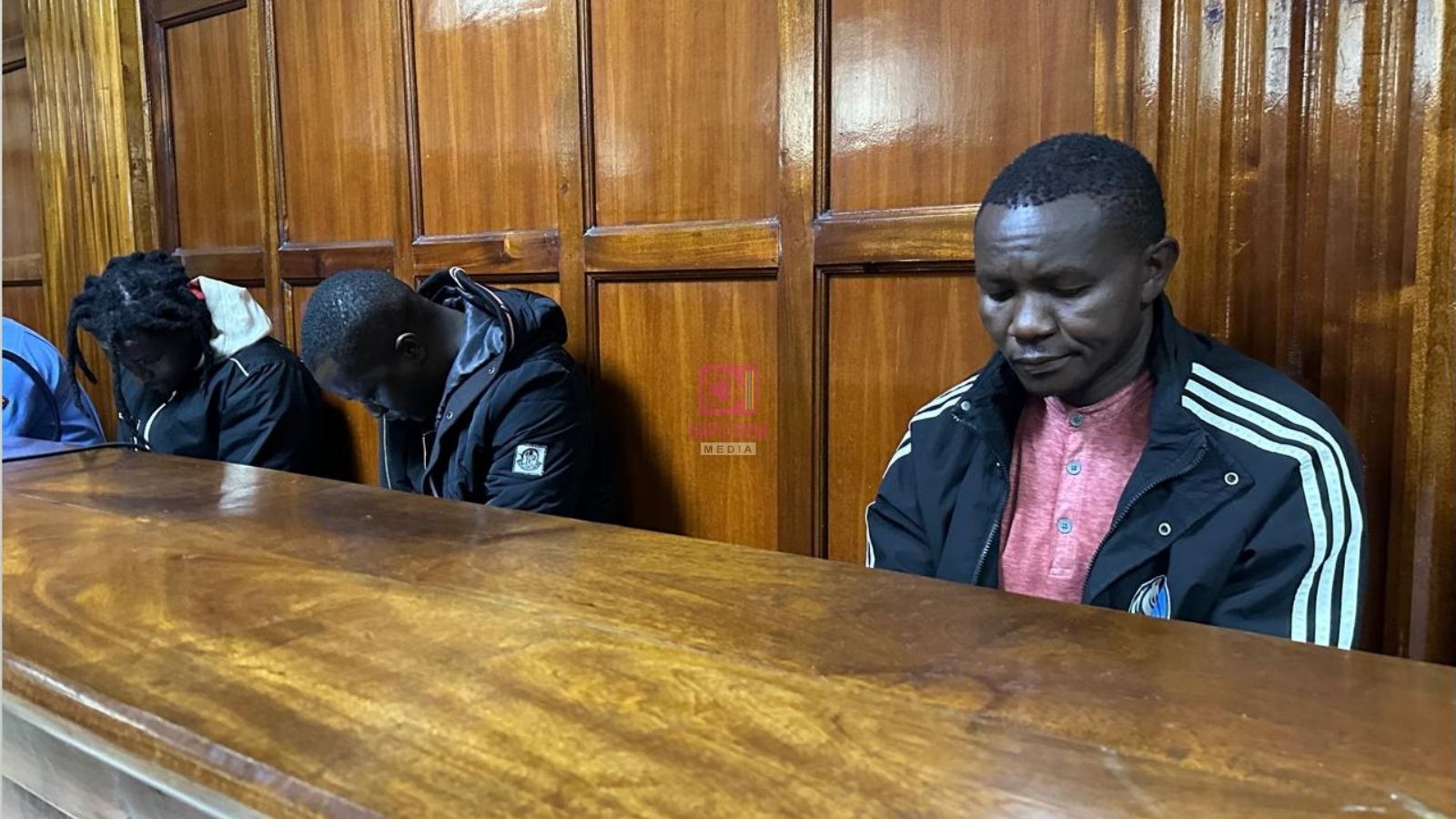
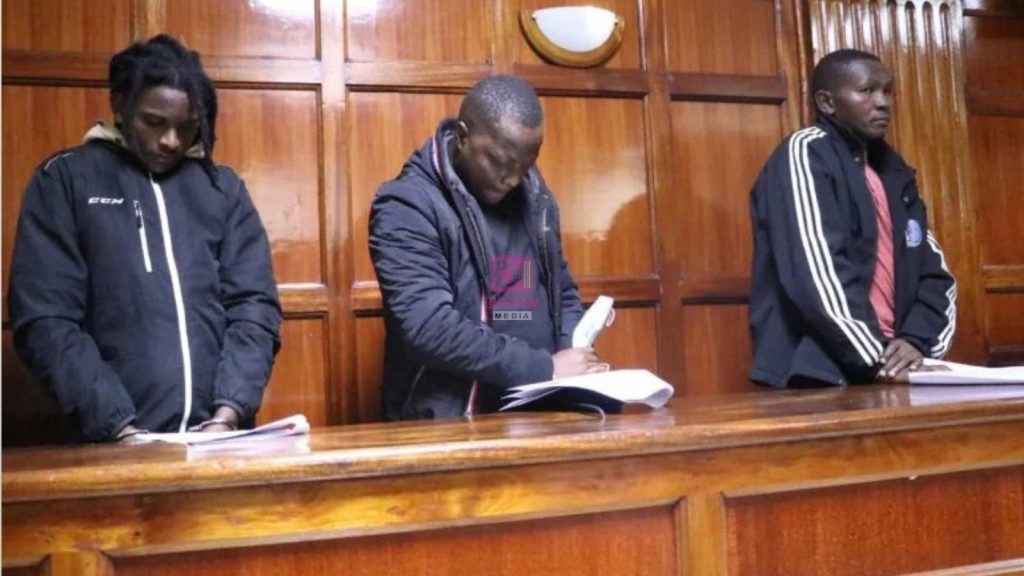
Three suspects, including police officer Elijah Kibelion Kimoi, Daniel Njoroge and Kevin Kinuthia, have been detained for 30 days as investigations continue into the murder of Dr Victoria Mutiso.
The court’s decision to allow investigators additional time to hold the three suspects marks a significant development in a case that has attracted public attention and raised questions over the circumstances surrounding the doctor’s death. The extended detention period is intended to give investigators adequate time to gather evidence, establish the sequence of events leading to the death, and determine the individual roles, if any, played by the suspects.
The suspects’ detention should, however, not be interpreted as a declaration of guilt. Under Kenya’s constitutional framework, every person accused of a criminal offence is presumed innocent until proven guilty by a competent court. The investigation and subsequent court proceedings will therefore be critical in determining what happened and whether the suspects have a case to answer.
The inclusion of a serving police officer among the suspects has added another layer of interest to the case. Police officers are entrusted with protecting lives, maintaining law and order, and ensuring the safety of members of the public. When an officer becomes a suspect in a serious criminal investigation, the matter naturally attracts heightened scrutiny and places additional responsibility on investigators to conduct a thorough and impartial inquiry.
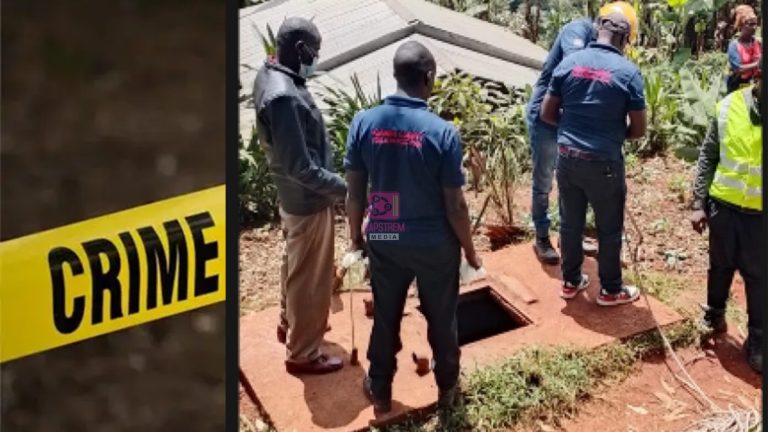
Investigators are expected to examine the circumstances surrounding Dr Mutiso’s death and establish what happened before, during and after the incident. Such an investigation may involve interviewing witnesses, examining available documentary and digital evidence, reviewing movements and communications, and analysing forensic material that could help establish the events leading to the doctor’s death.
The 30-day detention period provides investigators with time to complete these crucial steps without rushing the process. Murder investigations can be complex, particularly where authorities need to establish a clear timeline and connect different pieces of evidence before deciding whether to recommend criminal charges.
For the family of Dr Victoria Mutiso, the investigation represents an important search for answers. The death of a loved one under circumstances that result in a criminal investigation can leave families dealing with grief as well as uncertainty. A comprehensive investigation can help establish the facts and provide the family with clarity about what happened.
The case also highlights the important role played by the courts in balancing the interests of investigators with the constitutional rights of suspects. While law enforcement agencies require sufficient time to conduct complex investigations, suspects are equally entitled to due process and protection of their fundamental rights.
Kenya’s criminal justice system therefore requires investigators to present sufficient justification when seeking to detain suspects for an extended period. Courts are expected to examine the circumstances of each application before determining whether additional detention is warranted.
The decision to detain the three suspects for 30 days means investigators now have a defined period within which to advance the case. During this time, authorities are expected to gather and preserve evidence while determining the next legal steps.
The investigation may eventually result in formal murder charges if sufficient evidence is established. Alternatively, suspects may be released if investigators fail to find evidence linking them to the offence. The outcome will ultimately depend on the evidence gathered and the decisions made by the relevant prosecutorial and judicial authorities.
The presence of multiple suspects also means investigators will need to establish whether the individuals acted together or whether their alleged involvement, if any, was separate. Establishing individual responsibility is an important part of any criminal investigation because each accused person must ultimately be dealt with based on evidence concerning their own conduct.
The role of forensic evidence could become particularly important as investigators attempt to reconstruct the events surrounding Dr Mutiso’s death. Depending on the circumstances of the case, forensic investigations can assist authorities in establishing causes of death, identifying possible locations connected to an offence, and linking individuals to relevant evidence.
Digital evidence can also play an increasingly important role in modern criminal investigations. Mobile phone records, CCTV footage, electronic communications and other forms of digital information can help investigators establish movements and timelines. Such evidence, however, must be obtained and handled according to the law so that it can be properly relied upon during court proceedings.
Witness testimony will also remain important. People who may have interacted with Dr Mutiso or the suspects around the relevant period could provide investigators with information capable of helping reconstruct what happened. Investigators must carefully assess such accounts and corroborate them with other evidence.
The case has also renewed attention on the importance of accountability within the criminal justice system. Where a police officer is among the suspects in a serious crime, members of the public expect investigators to demonstrate independence, professionalism and transparency while protecting the integrity of the investigation.
At the same time, authorities must avoid allowing public pressure to influence the outcome of the case. Criminal justice must be based on evidence rather than speculation, rumours or social media commentary. The seriousness of a murder allegation makes it particularly important for investigators and the courts to follow established legal procedures.
The case is also a reminder of the importance of allowing judicial processes to run their course. High-profile criminal investigations often attract intense public interest, but public opinion cannot replace evidence presented and tested before a court.
As the 30-day detention period proceeds, investigators will be expected to provide updates through the appropriate legal channels while avoiding statements that could compromise the investigation or prejudice the rights of the suspects.
The prosecution will eventually have to determine whether the evidence gathered meets the threshold required to proceed with criminal charges. If charges are filed, the suspects will have an opportunity to respond to the allegations in court and challenge the evidence presented against them.
For the family and friends of Dr Victoria Mutiso, however, the most important issue remains the truth surrounding her death. A successful investigation should answer the fundamental questions of what happened, how it happened, who was responsible, and whether anyone else was involved.
The case therefore enters a crucial phase following the court’s decision to grant investigators 30 days to continue holding Elijah Kibelion Kimoi, Daniel Njoroge and Kevin Kinuthia. The period could provide authorities with an opportunity to piece together the evidence needed to establish a clear account of the circumstances surrounding Dr Mutiso’s death.
As investigations continue, the public will be watching closely for developments while the suspects remain subject to the protection of the law. Ultimately, the case will be determined not by speculation or public pressure but by evidence, due process and the findings of the Kenyan justice system.
The detention of the three suspects is therefore only one stage in a much longer legal process. What happens during the 30-day period could prove critical in determining the direction of the murder investigation and whether the suspects will eventually face formal charges in connection with the death of Dr Victoria Mutiso.