The Kenya Wildlife Service (KWS) has launched investigations into the deaths of 15 elephants in the Amboseli ecosystem, raising fresh concerns over the health of one of Africa’s most iconic elephant populations and the growing pressures facing wildlife conservation in southern Kenya.
The carcasses were discovered in different locations across the Amboseli landscape, prompting KWS veterinarians, wildlife biologists and forensic experts to begin a comprehensive inquiry to determine the cause of the deaths.
In a statement, KWS said preliminary assessments found no immediate evidence of poaching, as the tusks of the deceased elephants were intact. Samples have been collected for laboratory analysis to establish whether the animals succumbed to disease, poisoning, prolonged drought, natural causes or other environmental factors.
“The investigations are ongoing, and we urge the public to avoid speculation until the findings are complete,” the agency said.
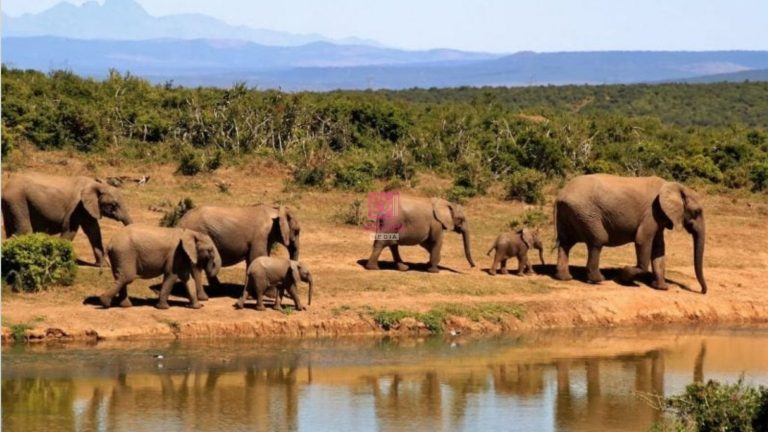
The Amboseli ecosystem is home to one of the world’s best-studied elephant populations, with more than 2,000 elephants roaming across Amboseli National Park and the surrounding group ranches that stretch into Tanzania.
The landscape supports some of Africa’s largest tuskers and has been at the centre of elephant conservation research for more than five decades through the Amboseli Elephant Research Project. The long-term monitoring programme has provided invaluable insights into elephant behaviour, family structures, migration patterns and the impacts of climate change.
Unlike many protected areas, elephants in Amboseli spend much of their time outside the national park, moving through community-owned conservancies and dispersal areas in search of water and pasture. This makes cooperation between conservation agencies and local communities essential to their survival.
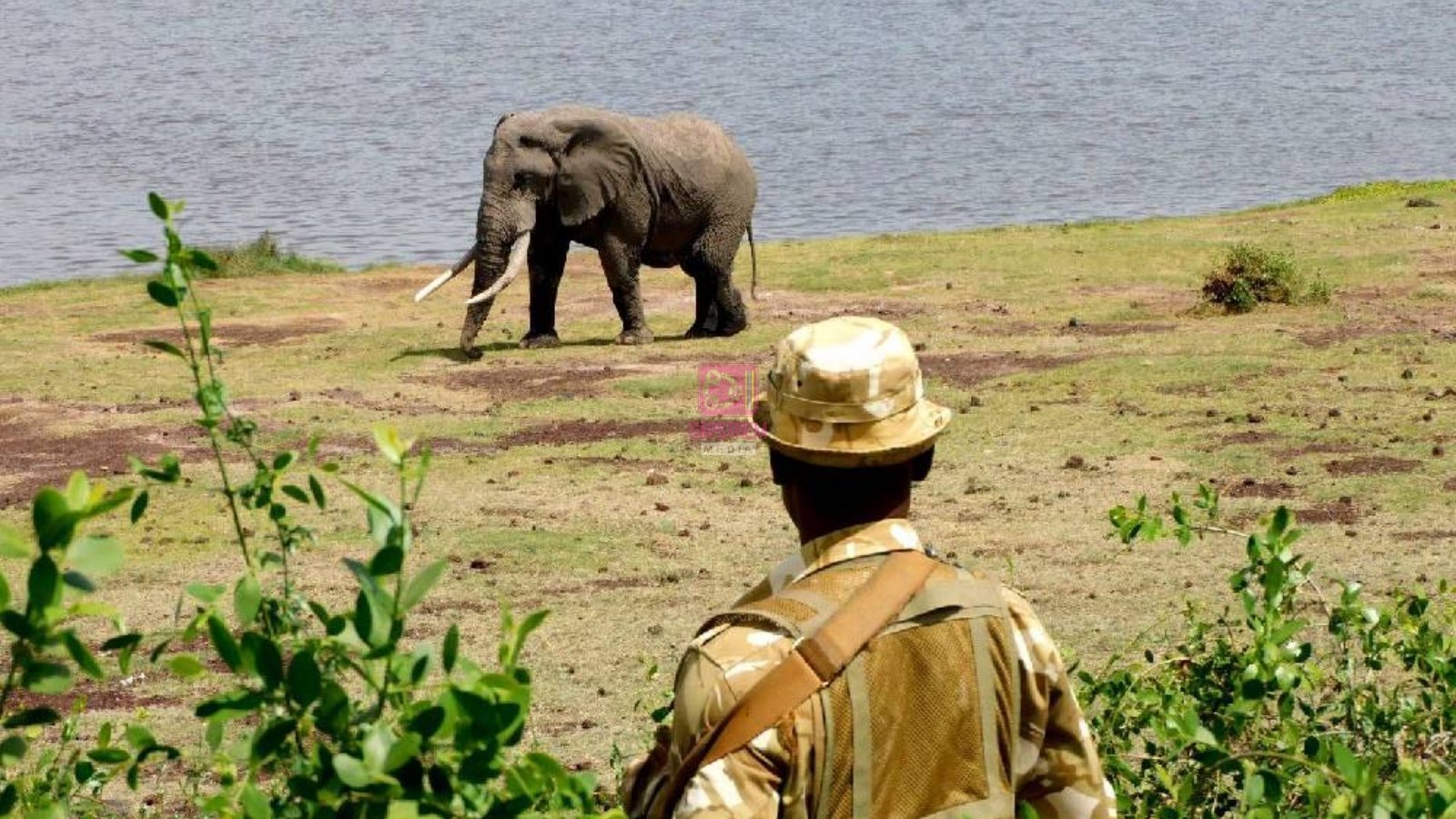
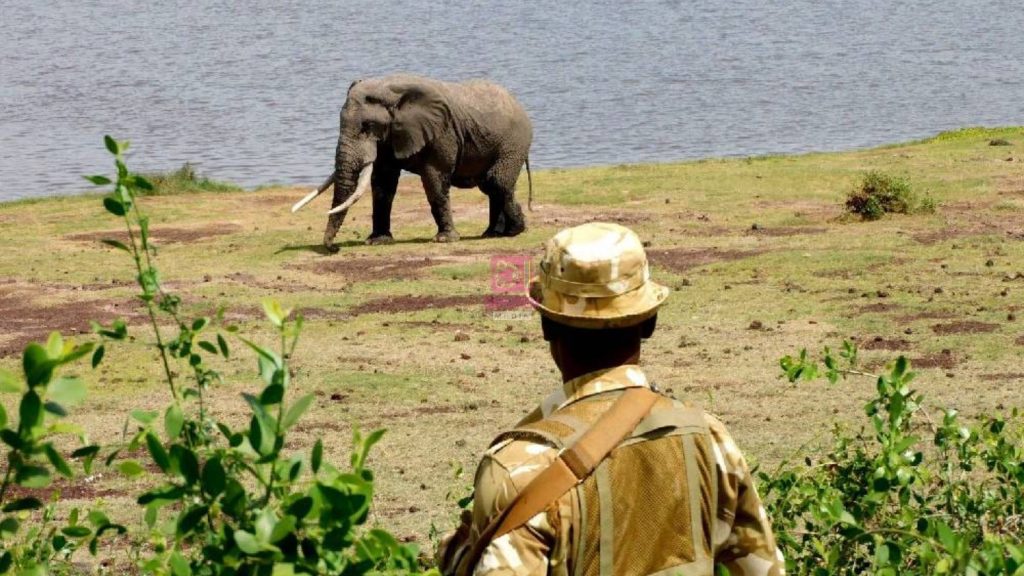
Elephants at the heart of KWS investigation after 15 are found dead in Amboseli.
Wildlife experts say elephant deaths can result from a range of factors, many of which require detailed forensic examination before conclusions can be drawn.
During prolonged dry periods, older, weaker and younger elephants are particularly vulnerable to starvation and dehydration as water sources shrink and vegetation becomes scarce. Although recent rains have improved conditions in parts of southern Kenya, fluctuating weather patterns linked to climate change continue to affect wildlife habitats.
Poisoning remains another concern. Elephants may ingest contaminated vegetation or water, while deliberate poisoning occasionally occurs in retaliation for crop destruction or through the misuse of agricultural chemicals.
Disease outbreaks, though relatively uncommon in elephants, can also cause multiple fatalities. Veterinary investigations typically screen for bacterial infections such as anthrax, viral diseases and toxic substances that may have entered the food chain.
Human-wildlife conflict has become an increasing challenge in the Amboseli landscape as expanding settlements, agriculture and infrastructure reduce traditional wildlife corridors. Elephants frequently move into farms in search of food, resulting in crop damage and occasional confrontations with communities.
Kenya has made significant progress in elephant conservation over the past decade. Enhanced anti-poaching operations, stronger wildlife laws, intelligence-led enforcement and community conservation programmes have helped the national elephant population recover from historic declines driven by the illegal ivory trade.
According to KWS, Kenya’s elephant population has grown steadily over the last three decades, making the country one of Africa’s conservation success stories. However, conservationists warn that emerging threats—including climate change, habitat fragmentation and conflict with humans—now pose increasingly complex challenges that require long-term solutions beyond anti-poaching efforts.
The Amboseli ecosystem is particularly important because it forms part of a transboundary conservation landscape shared by Kenya and Tanzania. Maintaining open migration routes enables elephants to access seasonal grazing grounds and water sources while preserving the genetic diversity of the population.
KWS has appealed to the public to allow investigators to complete their work before drawing conclusions about the cause of the deaths.
The agency said veterinary teams will continue conducting post-mortem examinations and laboratory tests while monitoring the wider elephant population for any signs of disease or unusual mortality patterns.
Conservation organisations are expected to work closely with KWS, county governments and local communities as investigations progress, with the findings likely to inform future wildlife management strategies in the Amboseli ecosystem.
The deaths underscore the importance of continuous wildlife monitoring in Kenya’s protected areas, where conservation agencies must contend with evolving threats ranging from climate variability to habitat loss. As scientists work to determine what caused the loss of the 15 elephants, the investigation is expected to provide critical insights into safeguarding one of the country’s most treasured wildlife populations.