
WHO warns that Europe’s relentless heatwave has claimed more than 1,300 lives, as soaring temperatures strain healthcare systems, disrupt daily life, and heighten concerns over the growing impact of climate change.
Europe is facing one of its most severe weather emergencies in recent years after the World Health Organization (WHO) announced that more than 1,300 people have died as a result of the ongoing heatwave sweeping across the continent. The prolonged spell of exceptionally high temperatures has affected millions of people, disrupted daily life, strained healthcare systems, and prompted governments to implement emergency measures aimed at protecting vulnerable populations.
The alarming death toll underscores the growing threat posed by extreme heat, which has become increasingly frequent and intense across Europe in recent years. Health experts warn that unless urgent climate adaptation measures are strengthened, heatwaves could become one of the continent’s deadliest natural hazards, particularly for older adults and people with underlying medical conditions.
According to the WHO, the fatalities linked to the current heatwave are a stark reminder that extreme temperatures should not be viewed as mere seasonal discomfort but as a serious public health emergency capable of causing widespread illness and loss of life. The organization has urged governments, communities, and individuals to take preventive measures to reduce the impact of rising temperatures.
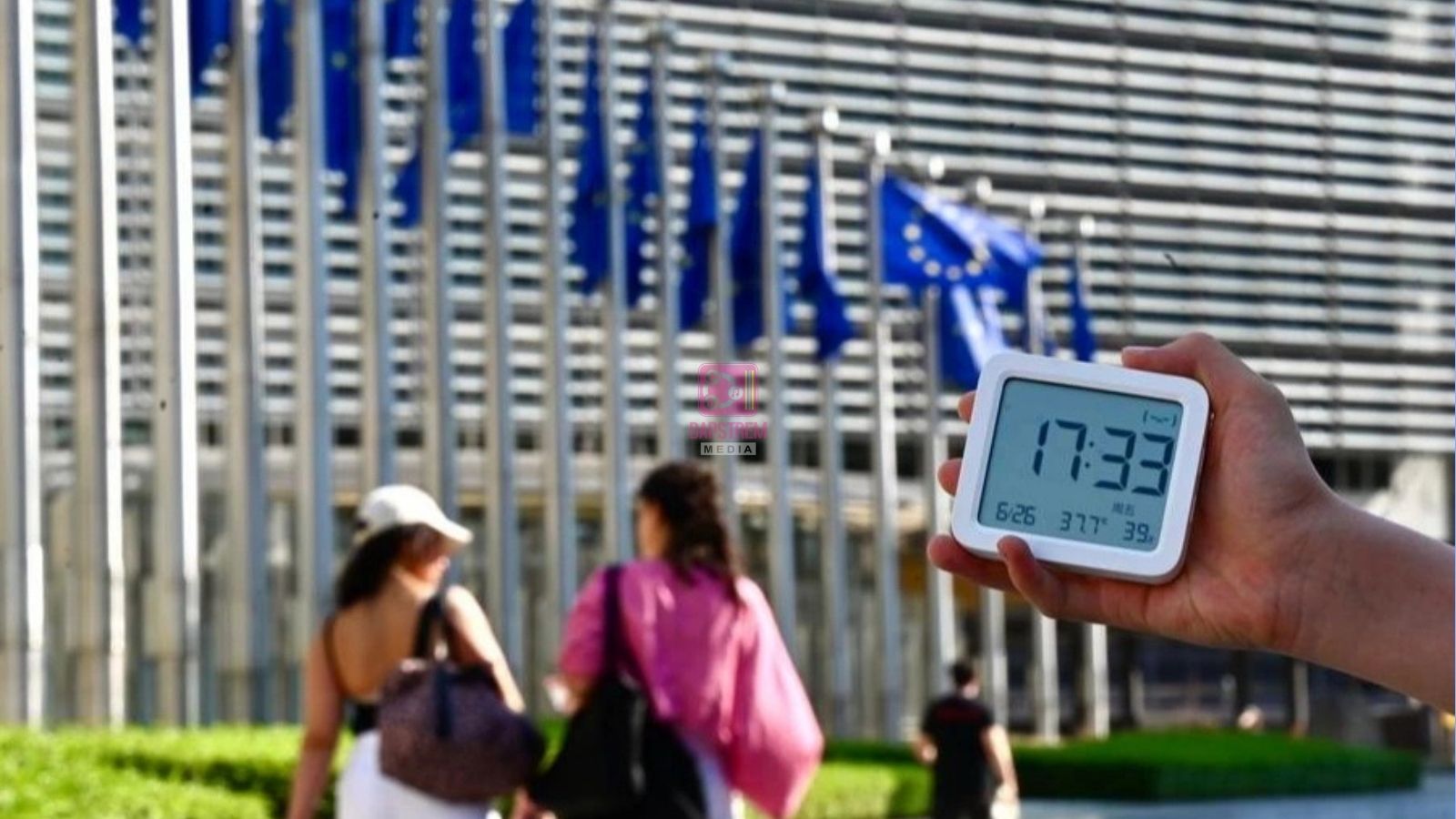
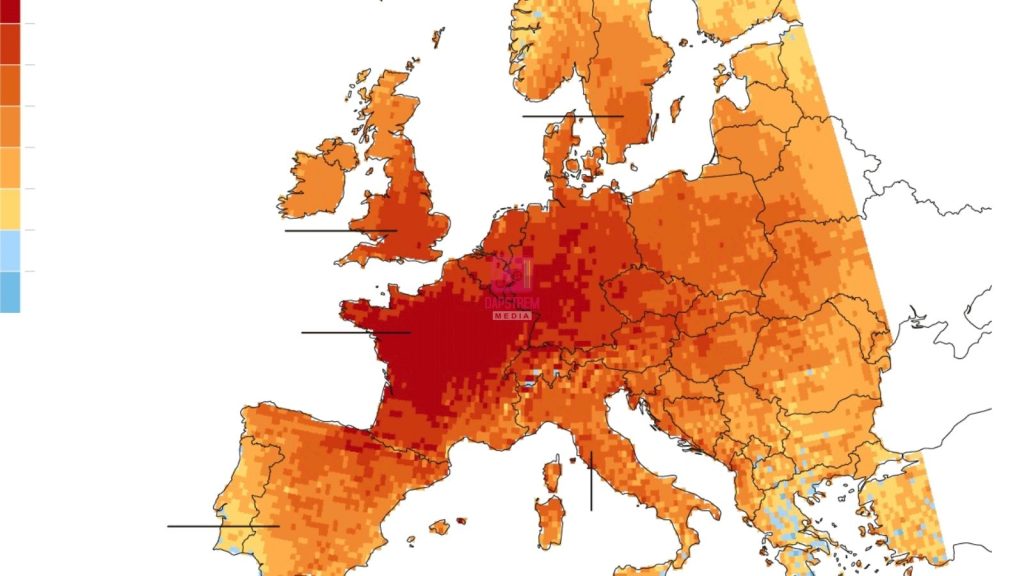
The heatwave has affected several countries across southern, western, and central Europe, with some regions recording temperatures well above seasonal averages. In many cities, thermometers have climbed beyond 40 degrees Celsius, creating dangerous conditions for millions of residents and visitors alike.
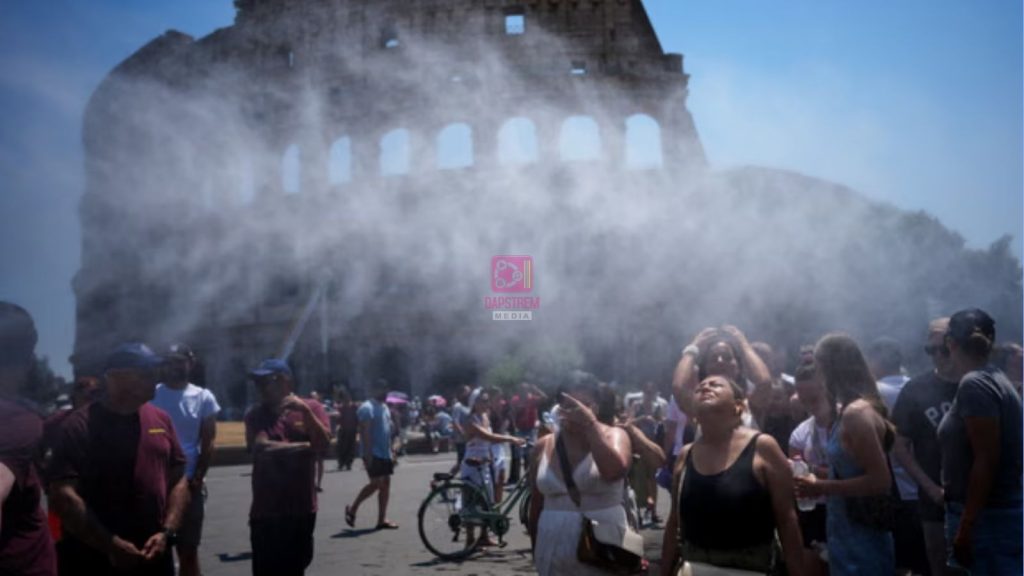
The unusually high temperatures have forced authorities to issue heat alerts, restrict outdoor activities during the hottest hours of the day, and encourage people to remain indoors whenever possible. Schools, workplaces, sporting events, and public gatherings have also experienced disruptions as governments attempt to minimize the risks associated with prolonged exposure to extreme heat.
Hospitals across affected countries have reported an increase in patients suffering from heat-related illnesses, including dehydration, heat exhaustion, and heatstroke. Emergency departments have experienced higher-than-normal admissions, placing additional pressure on healthcare systems already managing routine medical demands.
Medical experts explain that heatstroke is among the most dangerous consequences of extreme temperatures. It occurs when the body’s cooling mechanisms fail, causing body temperature to rise rapidly to potentially fatal levels. Symptoms may include confusion, dizziness, loss of consciousness, rapid heartbeat, seizures, and difficulty breathing. Without immediate medical treatment, heatstroke can result in permanent organ damage or death.
The elderly remain among the most vulnerable groups during heatwaves. As people age, their ability to regulate body temperature naturally declines, making them more susceptible to dehydration and overheating. Older individuals living alone, particularly those without access to air conditioning or adequate ventilation, face significantly greater risks during prolonged periods of intense heat.
Young children are also considered highly vulnerable because their bodies are less efficient at regulating temperature. Parents and caregivers have been advised to ensure children remain well hydrated, avoid direct sunlight, wear light clothing, and spend as much time as possible in cool environments.
Individuals with chronic illnesses such as cardiovascular disease, diabetes, kidney disease, and respiratory conditions have likewise been identified as being at elevated risk. Certain medications may also reduce the body’s ability to cope with high temperatures, increasing the likelihood of heat-related complications.
Public health officials have repeatedly emphasized that many heat-related deaths are preventable through simple precautions. Drinking sufficient water, avoiding strenuous outdoor activities during peak temperatures, wearing lightweight clothing, seeking shade, and regularly checking on elderly neighbors or relatives can significantly reduce health risks.
Governments throughout Europe have activated emergency response plans in an effort to protect citizens. Cooling centers have been opened in many cities to provide temporary relief for individuals without access to air-conditioned homes. Public buildings, libraries, community centers, and sports facilities have been made available as safe spaces where residents can escape dangerous temperatures.

Municipal authorities have also expanded access to drinking water by installing temporary hydration stations in public areas and increasing the availability of emergency medical personnel. Ambulance services have remained on heightened alert as heat-related emergency calls continue to rise.
Beyond its impact on public health, the heatwave has affected numerous sectors of the economy. Agricultural production has suffered as prolonged high temperatures place stress on crops and livestock. Farmers across several countries have expressed concern over reduced harvests, declining soil moisture, and increased irrigation demands.
Energy systems have also come under considerable pressure. Electricity consumption has surged as households and businesses rely heavily on air conditioning and cooling systems. In some areas, utility providers have warned of increased strain on power grids as demand reaches unusually high levels.
Transportation infrastructure has not escaped the effects of the extreme weather. Rail operators in several countries have introduced speed restrictions to reduce the risk of track deformation caused by excessive heat. Road surfaces have deteriorated in some locations, while airports have monitored runway conditions as temperatures reached record highs.
The tourism sector, traditionally one of Europe’s strongest economic drivers during the summer season, has also faced mixed consequences. While many destinations continue to welcome visitors, sightseeing activities, outdoor events, and cultural festivals have been modified or postponed due to health concerns.
Climate scientists have repeatedly warned that Europe is warming faster than many other regions of the world. Rising global temperatures are increasing both the frequency and intensity of extreme weather events, including heatwaves, droughts, floods, and wildfires.
Numerous scientific studies indicate that climate change has significantly increased the likelihood of prolonged periods of exceptionally high temperatures. Although individual weather events result from multiple atmospheric factors, researchers increasingly conclude that global warming is amplifying their severity and duration.
The current heatwave has once again intensified discussions surrounding climate resilience and adaptation. Experts argue that cities must invest in long-term measures such as expanding urban green spaces, planting more trees, improving building insulation, developing heat-resilient infrastructure, and strengthening early warning systems.
Urban environments are particularly vulnerable because of the “urban heat island” effect, where concrete buildings, roads, and other infrastructure absorb and retain heat, making cities significantly warmer than surrounding rural areas. Expanding parks, green roofs, and shaded public spaces can help reduce temperatures and improve living conditions during extreme weather.
The WHO has consistently urged governments to integrate heat action plans into national public health strategies. Such plans typically include public awareness campaigns, early warning systems, community outreach to vulnerable populations, emergency medical preparedness, and coordination among healthcare providers and local authorities.
Mental health experts have also highlighted the psychological effects of prolonged heatwaves. Extended exposure to extreme temperatures can contribute to increased stress, anxiety, sleep disturbances, fatigue, and reduced overall well-being. Communities recovering from repeated climate-related disasters may experience additional emotional strain.
Environmental impacts have also become increasingly visible. Rivers in several regions have experienced declining water levels, while forests and grasslands face heightened wildfire risks due to dry conditions. Firefighters across parts of Europe remain on high alert as hot, dry weather continues to create favorable conditions for rapidly spreading wildfires.
International organizations have stressed that addressing the long-term causes of increasingly severe heatwaves will require continued global cooperation to reduce greenhouse gas emissions while simultaneously investing in climate adaptation measures. Public health preparedness, sustainable urban planning, environmental conservation, and resilient infrastructure will all play critical roles in protecting communities from future climate-related emergencies.
As Europe continues battling extreme temperatures, authorities remain focused on saving lives through emergency response measures, public awareness campaigns, and healthcare preparedness. Citizens are being encouraged to remain vigilant, follow official weather advisories, stay hydrated, avoid unnecessary outdoor exposure, and seek medical attention immediately if symptoms of heat-related illness develop.

The WHO’s announcement that more than 1,300 lives have already been lost serves as a sobering reminder that heatwaves are no longer isolated weather events but major public health crises with devastating human consequences. The tragedy underscores the urgent need for stronger preparedness, improved climate resilience, and collective action to protect lives as rising global temperatures continue to reshape weather patterns across the world.
While emergency measures may help reduce immediate risks, experts agree that long-term investment in climate adaptation and public health infrastructure will be essential if Europe hopes to prevent similar tragedies in the years ahead. Until then, millions of people across the continent remain vulnerable as the intense heat continues, making every precaution a potentially life-saving one.