NTSA introduces mandatory annual inspections for vehicles older than four years, requiring owners to book appointments through the eCitizen platform as part of efforts to enhance road safety and ensure vehicle roadworthiness.
Motorists across Kenya are set to experience significant changes in vehicle compliance requirements after the National Transport and Safety Authority (NTSA) directed that all vehicles older than four years must undergo mandatory annual inspections. The Authority has further instructed vehicle owners to book inspection appointments exclusively through the government’s eCitizen platform, marking another step in the digitization of public services while reinforcing efforts to improve road safety across the country.
The directive is expected to affect hundreds of thousands of private and commercial vehicle owners whose vehicles have surpassed the four-year age threshold. By introducing annual inspections, NTSA aims to ensure that vehicles operating on Kenyan roads remain roadworthy, mechanically sound, and compliant with established safety standards.
The move forms part of broader government efforts to reduce road accidents, improve transport safety, and eliminate vehicles that pose risks to drivers, passengers, pedestrians, and other road users. Road safety has remained a major national concern for many years, with mechanical defects identified as one of the contributing factors in some traffic accidents alongside speeding, reckless driving, driver fatigue, overloading, and failure to observe traffic regulations.
According to NTSA, all affected vehicle owners will now be required to schedule inspection appointments through the eCitizen portal before presenting their vehicles at designated inspection centres. The online booking system is intended to streamline the inspection process, reduce congestion at service centres, improve efficiency, and provide motorists with greater convenience by allowing them to select available dates and times electronically.
The adoption of the eCitizen platform reflects the government’s continued investment in digital transformation. Over the past several years, numerous public services—including applications for passports, driving licences, business registration, birth certificates, land services, and tax-related transactions—have been integrated into the online platform, reducing paperwork and minimizing the need for physical visits to government offices.
Vehicle inspections play an important role in ensuring that automobiles remain safe for use on public roads. Over time, even well-maintained vehicles experience wear and tear affecting critical components such as braking systems, steering mechanisms, suspension, tyres, lights, seat belts, emissions systems, and engine performance. Regular inspections help identify defects before they become serious safety hazards.
During a standard inspection, trained examiners typically assess multiple aspects of a vehicle’s condition. These include the effectiveness of braking systems, steering response, suspension integrity, tyre condition and tread depth, lighting equipment, mirrors, windscreen visibility, exhaust emissions where applicable, chassis condition, and other mechanical and structural components necessary for safe operation.
Vehicles that fail to meet the required standards may be required to undergo repairs before being re-inspected and certified as roadworthy. This process helps ensure that potentially dangerous vehicles are not allowed to continue operating until identified defects have been corrected.
The new directive applies to vehicles that are more than four years old, reflecting the increased likelihood of mechanical deterioration as vehicles age. While newer vehicles generally benefit from manufacturer warranties and lower levels of wear, older vehicles require more frequent assessment to confirm that they continue meeting safety requirements.
Kenya has witnessed a steady increase in vehicle ownership over the past two decades, driven by population growth, urbanization, expanding road infrastructure, and greater access to vehicle financing. Many households and businesses rely on older imported vehicles, making routine inspections an increasingly important component of road safety management.
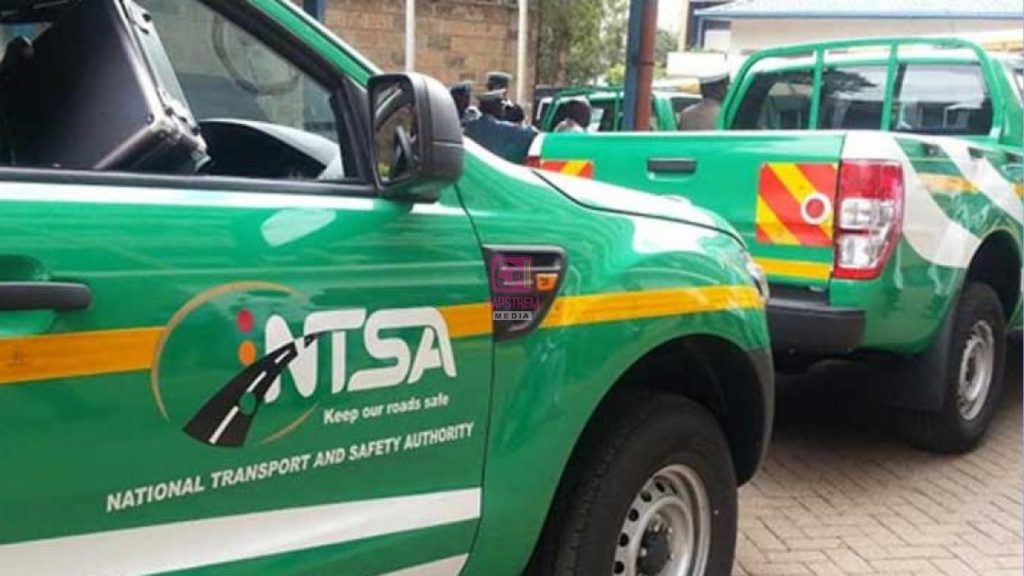
Commercial vehicles, including public service vehicles (PSVs), school buses, trucks, and taxis, have long been subject to inspection requirements due to the nature of their operations and the large numbers of passengers or goods they transport. Extending regular inspections to older private vehicles strengthens the overall framework aimed at improving the safety of all road users.
Road safety experts have welcomed the emphasis on preventative maintenance, noting that mechanical failures can often be avoided through regular servicing and timely repairs. Annual inspections complement routine maintenance by providing an independent assessment of a vehicle’s overall condition and identifying issues that owners may not immediately detect.
The use of the eCitizen platform is also expected to improve transparency and accountability within the inspection process. Digital appointment scheduling creates electronic records, reduces opportunities for manual errors, shortens waiting times, and allows motorists to track the status of their bookings more efficiently.
For vehicle owners, the new requirements underscore the importance of maintaining vehicles in good mechanical condition throughout the year rather than waiting until inspection periods. Regular servicing, replacement of worn components, proper tyre maintenance, and prompt attention to warning signs such as unusual noises or brake problems can improve the likelihood of passing inspections while enhancing overall safety.
Insurance companies may also benefit indirectly from improved vehicle roadworthiness. Better-maintained vehicles generally present lower risks of accidents caused by mechanical failure, potentially contributing to fewer insurance claims related to preventable defects.
The directive aligns with international best practices adopted by many countries that require periodic vehicle inspections once automobiles reach a certain age. Such systems are widely regarded as effective tools for reducing accidents linked to mechanical failures while encouraging responsible vehicle ownership.
Transport stakeholders have emphasized the importance of ensuring adequate inspection capacity as the new requirements take effect. With a potentially large number of additional vehicles requiring annual inspections, efficient scheduling, sufficient inspection centres, trained personnel, and reliable digital systems will be essential to avoid unnecessary delays and inconvenience for motorists.
Motorists are encouraged to familiarize themselves with the inspection requirements, verify the condition of their vehicles before booking appointments, and ensure all relevant documentation is available during the inspection process. Preparing vehicles in advance can reduce the likelihood of failed inspections and additional repair costs.
The directive also reflects the government’s broader strategy of leveraging technology to improve public service delivery. By integrating inspection bookings into the eCitizen platform, authorities hope to simplify administrative procedures while enhancing efficiency, accessibility, and transparency across government services.
As Kenya continues expanding its transport infrastructure and experiencing increased motorization, maintaining high standards of vehicle safety will remain a critical priority. Well-maintained vehicles not only protect their occupants but also contribute to safer roads for pedestrians, cyclists, motorcyclists, and other motorists.
Ultimately, the mandatory annual inspection requirement represents a significant policy shift aimed at strengthening road safety through preventative regulation rather than reactive enforcement. While some motorists may initially view the new requirements as an added responsibility, the long-term objective is to reduce accidents, improve compliance with safety standards, and ensure that vehicles operating on Kenyan roads remain fit for purpose.
With bookings now moving to the eCitizen platform, vehicle owners are encouraged to plan ahead, maintain their vehicles regularly, and comply with the new inspection requirements as part of a collective effort to build a safer, more efficient, and more reliable transport system for all Kenyans.