Ebola outbreak in DR Congo surpasses 1,000 cases as health authorities intensify containment efforts amid rising fatalities.
The Democratic Republic of Congo (DR Congo) is once again grappling with a serious public health crisis after Ebola cases in the country surpassed 1,000, with the death toll climbing to 254. The outbreak has raised renewed concerns about the country’s preparedness, the resilience of its health systems, and the ongoing risk posed by one of the world’s most dangerous viral diseases.
Health authorities and international partners have been working around the clock to contain the spread, but the rising number of infections highlights the difficulty of controlling Ebola in regions where healthcare infrastructure is often limited and communities are widely dispersed. The situation has placed immense pressure on frontline health workers, many of whom are operating in challenging conditions with limited resources.
Ebola virus disease is a severe and often fatal illness in humans, transmitted through direct contact with infected bodily fluids or contaminated materials. The disease is known for its rapid progression and high fatality rate, making early detection and isolation critical to preventing widespread transmission. In DR Congo, repeated outbreaks over the years have made Ebola a persistent public health threat, particularly in remote and conflict-affected areas where access to medical services is limited.
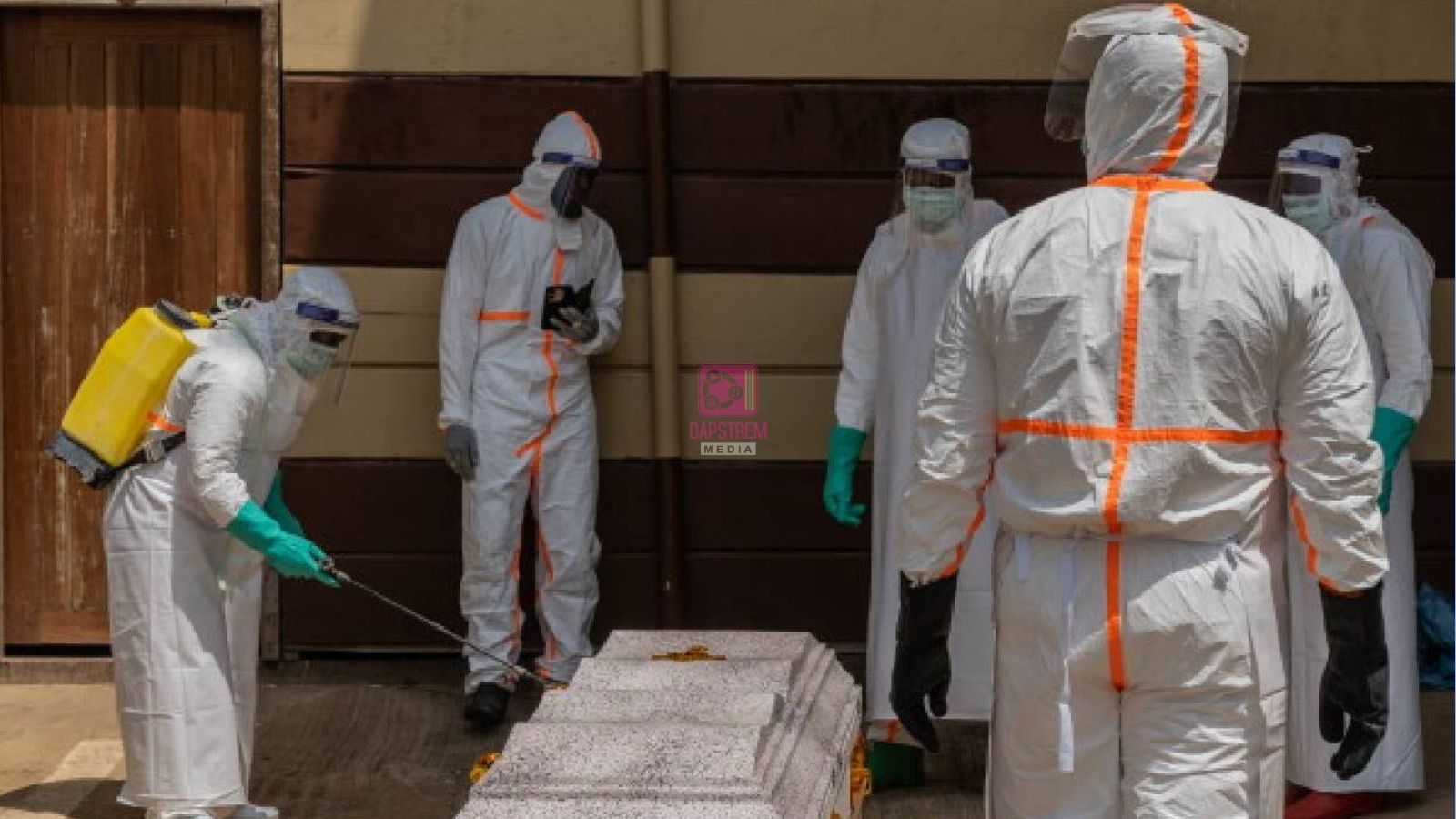
The latest outbreak has been particularly concerning due to its scale. Surpassing 1,000 confirmed and suspected cases signals a widening transmission chain that health officials are racing to break. Contact tracing teams have been deployed to identify individuals who may have been exposed, while isolation centers have been set up to treat infected patients and prevent further spread within communities.
The recorded death toll of 254 underscores the severity of the outbreak. While Ebola has a high mortality rate, early treatment and supportive care can significantly improve survival chances. However, delays in seeking medical attention, fear of health facilities, and misinformation continue to hinder response efforts in some affected areas.
One of the key challenges in controlling Ebola outbreaks in DR Congo is community resistance and mistrust. In previous outbreaks, misinformation and fear have led some communities to avoid health workers or resist vaccination campaigns. Public health experts stress that community engagement is essential in overcoming these barriers and ensuring that prevention measures are effective.
Vaccination remains one of the most powerful tools in controlling Ebola outbreaks. The use of the Ebola vaccine in ring vaccination strategies—where contacts and contacts of contacts of infected individuals are vaccinated—has proven effective in limiting the spread in past outbreaks. However, logistical challenges, including transporting vaccines to remote areas and maintaining cold chain storage, can slow down response efforts.
International organizations, including the World Health Organization (WHO) and various humanitarian partners, are actively supporting DR Congo’s health authorities. Their efforts include deploying emergency response teams, providing medical supplies, supporting surveillance systems, and assisting with public awareness campaigns aimed at educating communities about how to protect themselves from infection.
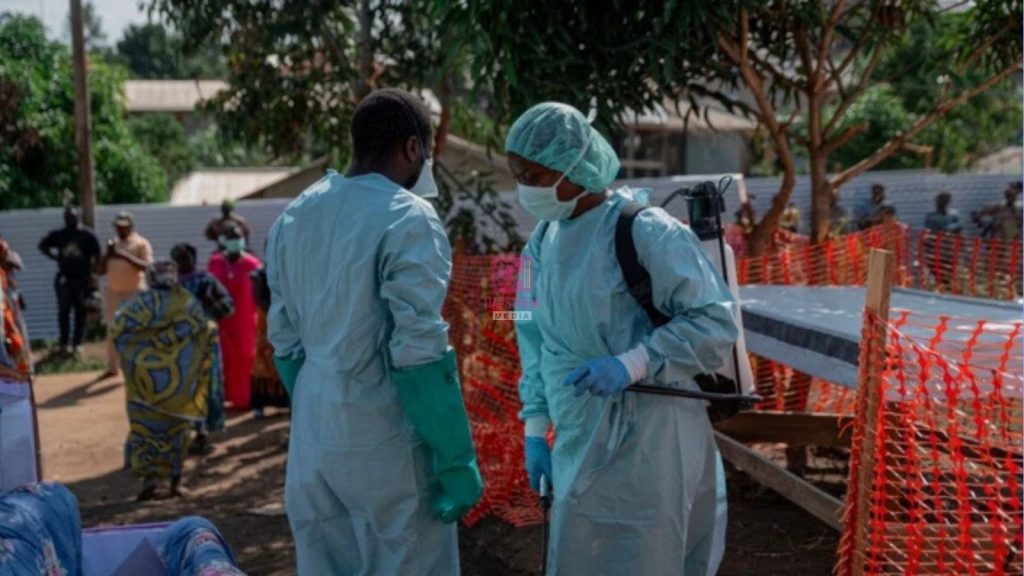
Despite these interventions, the outbreak continues to test the resilience of the country’s healthcare system. Many health facilities in affected regions are under-resourced, and the shortage of trained healthcare workers makes it difficult to manage the growing number of patients. In some cases, insecurity in certain provinces further complicates response operations, limiting access for medical teams.
The government has urged the public to remain vigilant and follow recommended safety measures, including regular handwashing, avoiding contact with suspected cases, and reporting symptoms early. Symptoms of Ebola typically include fever, fatigue, muscle pain, headache, and in severe cases, internal and external bleeding. Early detection and treatment significantly increase the chances of survival.
The current outbreak also highlights the broader vulnerability of countries that frequently experience infectious disease emergencies. DR Congo has faced multiple Ebola outbreaks over the past decades, making it one of the most experienced countries in managing the virus, yet each outbreak brings new challenges due to changing social conditions, population movement, and health system constraints.
Public health experts warn that the situation could worsen if containment efforts are not strengthened. The rapid increase in cases suggests ongoing community transmission, which requires intensified surveillance, faster testing, and stronger coordination between local and international responders.
There is also concern about the potential for the outbreak to spread to neighboring regions if not contained in time. Cross-border movement of people in Central Africa is common, and health authorities in surrounding countries have reportedly increased screening and preparedness measures to prevent importation of cases.
As the outbreak evolves, attention is increasingly focused on strengthening long-term preparedness rather than only responding to emergencies. Experts emphasize the need for investment in healthcare infrastructure, training of health workers, and improved disease surveillance systems to ensure faster detection and response in future outbreaks.
For now, the immediate priority remains controlling the spread, reducing new infections, and saving lives. The rising numbers serve as a stark reminder of the persistent threat posed by Ebola and the importance of sustained global and local cooperation in fighting infectious diseases.
While significant progress has been made in improving Ebola response capabilities over the years, the current outbreak in DR Congo shows that the fight is far from over. With cases now exceeding 1,000 and hundreds of lives already lost, the coming weeks will be critical in determining whether health authorities can bring the situation under control or whether the outbreak will continue to escalate.