
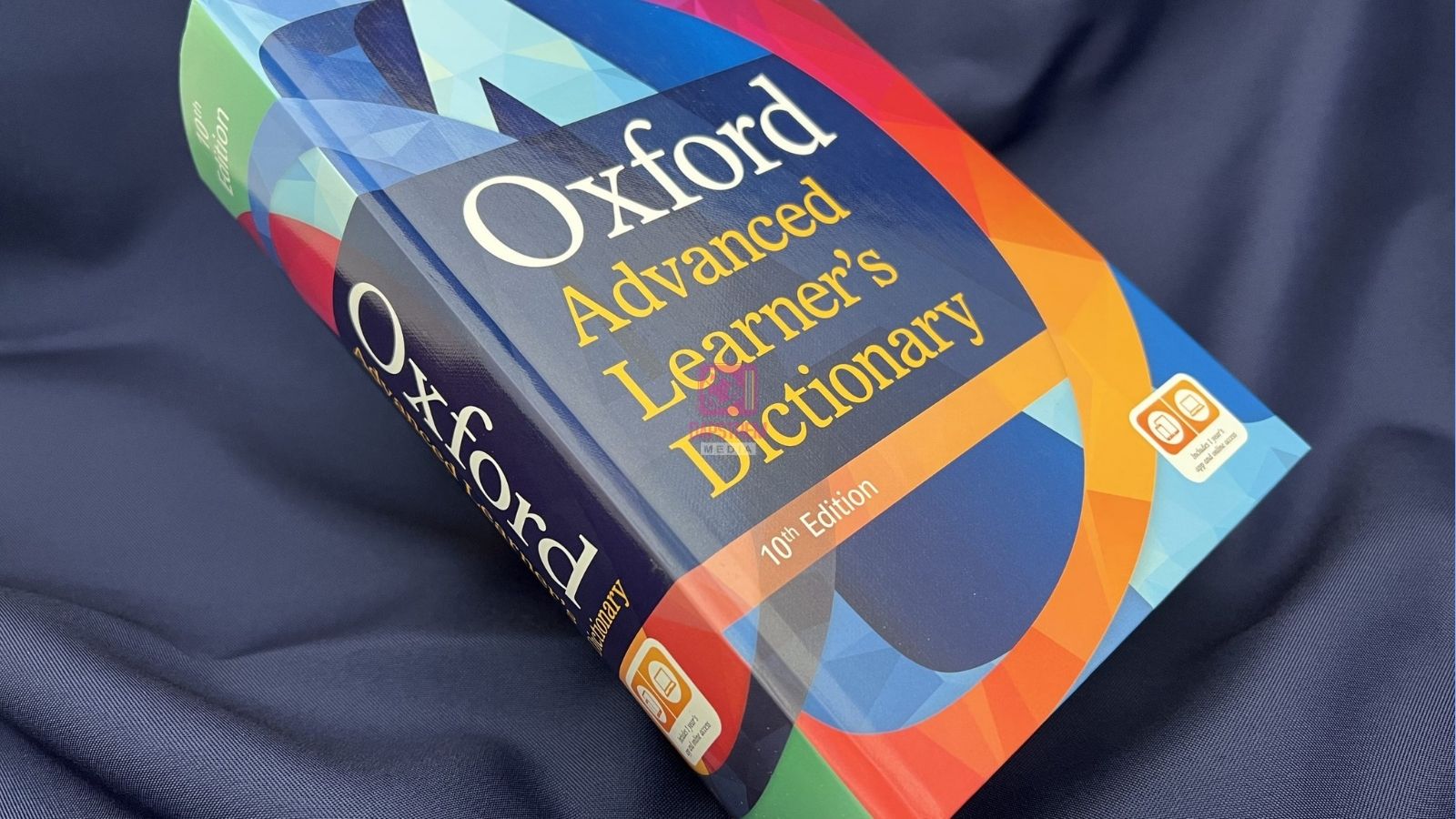
Oxford University Press East Africa expands the Oxford Advanced Learner’s Dictionary with about 2,000 new entries, including widely used Kenyan words that reflect the country’s language, culture, and everyday life.
The Oxford University Press East Africa has unveiled a new edition of the Oxford Advanced Learner’s Dictionary, introducing approximately 2,000 new words, meanings, and expressions from around the world. Among the most notable additions are several uniquely Kenyan words, including matatu, boda boda, chang’aa, biting, butchery, mabati, and sub-county—a milestone that celebrates the growing global recognition of Kenya’s language, culture, and everyday experiences.
The inclusion of these words marks a significant moment for Kenya’s linguistic heritage. It demonstrates how language continues to evolve alongside society and reflects the realities of millions of people whose everyday vocabulary is increasingly shaping international English. For many Kenyans, the announcement is more than just an update to a dictionary; it is an acknowledgment that words born out of local culture and daily life have earned a place in one of the world’s most respected English language references.
The Oxford Advanced Learner’s Dictionary has long been regarded as one of the leading dictionaries for students, teachers, researchers, and English language learners worldwide. Published by Oxford University Press, it serves as a trusted guide for understanding modern English, providing definitions, pronunciation, grammar guidance, and examples of usage. Every new edition reflects changes in society, technology, culture, and communication, ensuring that the dictionary remains relevant to contemporary users.
The latest edition’s addition of around 2,000 new entries illustrates how rapidly language evolves. New technologies, emerging professions, social trends, scientific discoveries, and cultural developments continually introduce words that eventually become part of everyday speech. Dictionary editors monitor these changes carefully, studying how words are used across books, newspapers, academic publications, television, online platforms, and spoken conversations before deciding whether they deserve formal recognition.
The inclusion of Kenyan words is particularly significant because it reflects the increasing influence of African English varieties on global communication. English spoken in Kenya has developed distinctive vocabulary over many decades, borrowing from Kiswahili and numerous indigenous languages while adapting certain English words to suit local realities. As these expressions become widely understood and consistently used, they gain recognition beyond Kenya’s borders.
Among the newly recognized words is matatu, a term that has become synonymous with Kenya’s vibrant public transport system. Matatus are far more than vehicles transporting passengers from one destination to another. They have become cultural symbols known for their colourful artwork, music, creativity, entrepreneurship, and unique role in urban life. Every day, millions of Kenyans rely on matatus to commute to work, school, business, and social activities, making the word an integral part of everyday conversation.
Another notable addition is boda boda, referring to the motorcycle taxi services that have transformed transport across Kenya and much of East Africa. Initially associated with bicycles operating near border crossings, boda bodas have evolved into one of the country’s most important means of transport. They provide affordable mobility, create employment for thousands of young people, and offer transport solutions in both urban centres and remote rural areas where conventional public transport may be limited.
The dictionary also now includes chang’aa, a traditional locally distilled alcoholic drink that has long formed part of discussions surrounding culture, regulation, public health, and informal economic activity. Its inclusion reflects the dictionary’s commitment to documenting words that hold social and historical significance regardless of whether they describe products, customs, or institutions.
Another familiar word entering the dictionary is mabati, commonly used in Kenya to refer to corrugated iron sheets widely utilized for roofing and construction. Over time, the word has become deeply embedded in everyday language, particularly in conversations about housing, urban development, infrastructure, and affordable construction.
The addition of sub-county highlights changes in Kenya’s administrative structure following the implementation of the Constitution of 2010. As devolution reshaped governance across the country, sub-counties became important administrative units responsible for coordinating government services at the local level. Their inclusion reflects how political and administrative developments influence language.
The recognition of butchery in its distinctly East African usage is another illustration of how English adapts to regional contexts. While the word exists in standard English, its everyday use in Kenya specifically refers to retail outlets where fresh meat is sold, making it a common feature of local commerce and daily life.
The inclusion of biting also demonstrates the dictionary’s willingness to acknowledge region-specific meanings that have evolved within Kenyan English. Many words acquire unique local interpretations over time, reflecting cultural practices and communication styles that differ from those found in other English-speaking countries.
Language experts have welcomed the latest additions, noting that dictionaries are living records of human communication rather than fixed collections of words. As societies change, dictionaries must evolve to reflect how people actually speak and write. The recognition of Kenyan vocabulary therefore acknowledges the legitimacy of local English while celebrating the country’s contribution to the global language.
The development also highlights the growing international appreciation of African languages and cultures. For many years, global dictionaries focused primarily on British and American English. However, increased globalization, international education, migration, literature, media, and digital communication have broadened perspectives on what constitutes modern English. Today, English is spoken in diverse forms across every continent, and dictionaries increasingly recognize these regional variations.
For students and teachers, the updated dictionary provides an opportunity to appreciate that language is dynamic and inclusive. Young learners using the Oxford Advanced Learner’s Dictionary will now encounter familiar Kenyan terms alongside words from other parts of the world, reinforcing the idea that local experiences are valuable components of global knowledge.
The additions may also encourage greater confidence among Kenyan writers, journalists, researchers, and content creators. Many of these words have long appeared in newspapers, novels, academic works, and broadcast media. Their formal recognition by Oxford validates their widespread usage and helps standardize their meanings for international audiences.
The announcement is equally important for Kenya’s creative industry. Authors, poets, filmmakers, musicians, and playwrights frequently incorporate local expressions into their work to capture authentic cultural experiences. Having these words recognized internationally enhances the visibility of Kenyan storytelling and contributes to the preservation of cultural identity through language.
Beyond Kenya, the latest edition reflects a broader trend of recognizing English as a truly global language shaped by millions of speakers from different cultural backgrounds. Rather than belonging exclusively to one country or region, English continues to evolve through contributions from diverse societies, each enriching the language with new vocabulary and expressions.
Oxford University Press East Africa’s unveiling of the updated dictionary therefore represents more than a publishing milestone. It celebrates linguistic diversity, acknowledges cultural identity, and recognizes the everyday words that define how people live, work, travel, govern, and communicate.
As language continues to evolve alongside society, future editions of the dictionary will undoubtedly include even more words reflecting technological innovation, cultural change, and emerging social realities. For Kenya, the inclusion of words such as matatu, boda boda, chang’aa, biting, butchery, mabati, and sub-county is a powerful reminder that local language has global significance.
Ultimately, the latest edition of the Oxford Advanced Learner’s Dictionary affirms that language belongs to the people who use it. By recognizing uniquely Kenyan expressions, Oxford University Press has not only documented vocabulary but also celebrated the culture, history, and everyday experiences that give those words their meaning. It is a milestone that places Kenya’s linguistic identity firmly on the global stage while inspiring pride in the richness and diversity of the country’s contribution to the English language.