
FIFA Bans Vuvuzelas from World Cup Stadiums: The End of an Era for Football’s Most Controversial Sound
The unmistakable buzz of the vuvuzela has long been one of football’s most recognizable sounds. For millions of fans around the world, the plastic horn became synonymous with passion, celebration, and the vibrant atmosphere that makes football the world’s most beloved sport. Yet, the announcement that FIFA has banned vuvuzelas from World Cup stadiums marks the end of a unique chapter in football history and has sparked widespread debate among supporters, players, broadcasters, and football officials.
The decision has reignited conversations about tradition, fan culture, stadium atmosphere, and the delicate balance between creating an exciting matchday experience and ensuring that the game itself remains enjoyable for players, officials, broadcasters, and spectators alike. While some supporters have welcomed the move, arguing that the constant noise often overshadowed the game, others see the ban as an unnecessary attack on a cherished football tradition that has become part of the sport’s global identity.
To understand why the ban has generated such strong reactions, it is important to revisit the remarkable journey of the vuvuzela and how a simple plastic horn transformed into one of the most recognizable symbols of modern football.
The vuvuzela originated in South Africa and was used by football supporters for years before it gained international fame. Initially viewed as a local cultural expression among football fans, the instrument became a central feature of matchday experiences in South African stadiums. Its loud, continuous drone created a unique atmosphere that distinguished South African football from other football cultures around the world.
However, it was during the 2010 FIFA World Cup in South Africa that the vuvuzela captured global attention. As millions of viewers tuned in to watch the first-ever World Cup hosted on African soil, they were introduced to a sound unlike anything previously heard in international football. The continuous hum of thousands of vuvuzelas created an atmosphere that was impossible to ignore.
For some viewers, the sound represented the spirit of African football and the celebration of a historic moment for the continent. For others, it quickly became a source of frustration. Television audiences complained that the noise drowned out commentary, chants, crowd reactions, and even the sounds of the game itself. Broadcasters struggled to balance audio feeds, while players and coaches occasionally expressed concerns about communication on the pitch.
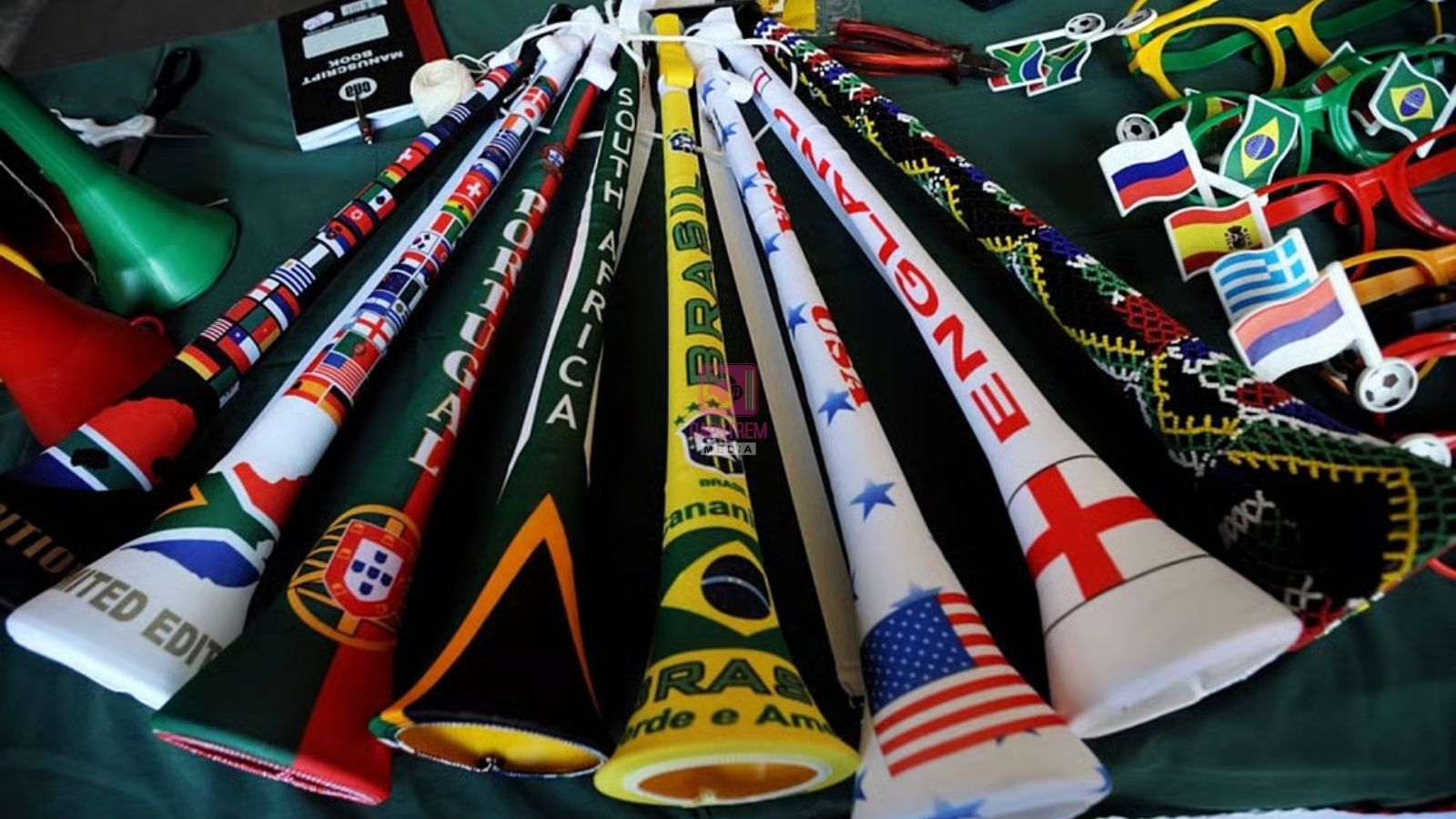
Despite the criticism, the vuvuzela became one of the defining symbols of the 2010 World Cup. Images of fans waving flags while blowing brightly colored horns became part of football history. The instrument found its way into souvenir shops, sports bars, homes, and football gatherings around the world. What had once been a local tradition evolved into a global football phenomenon.
Over the years, debates about the place of vuvuzelas in football continued. Supporters argued that football is fundamentally about fans expressing themselves and creating atmosphere. Stadiums around the world feature drums, chants, songs, trumpets, flags, banners, and countless other forms of support. To many fans, the vuvuzela was simply another expression of football culture.

Critics, however, maintained that the instrument crossed a line because of its volume and consistency. Unlike chants that rise and fall with the action on the field, the vuvuzela often produces a constant sound throughout the match. Some argued that this made it difficult for spectators to fully appreciate key moments of the game. Players reported challenges hearing teammates, while match officials occasionally cited communication difficulties during matches.
Medical experts also entered the conversation over the years, raising concerns about prolonged exposure to extremely loud noise levels. Some studies suggested that the sound produced by vuvuzelas could potentially exceed safe hearing thresholds when used at close range. These concerns added another layer to discussions about whether the instruments should remain part of major football tournaments.
FIFA’s decision to ban vuvuzelas from World Cup stadiums appears to reflect a growing desire to enhance the overall viewing and playing experience. Modern football has become a global entertainment product consumed by billions of viewers across multiple platforms. Broadcasters invest enormous resources to provide immersive coverage, including player reactions, crowd chants, referee communications, and tactical insights. Excessive background noise can affect the quality of these broadcasts.
For players, communication has become increasingly important in today’s highly tactical game. Teams rely on constant interaction between players, coaches, and technical staff. Instructions shouted from the touchline, warnings from teammates, and split-second decisions on the field can influence the outcome of matches. Many football professionals have long argued that excessive stadium noise generated by instruments like vuvuzelas can interfere with these crucial communications.
The ban has nevertheless sparked disappointment among supporters who believe football is gradually becoming overregulated. Some fans fear that efforts to create a more polished viewing experience risk sanitizing the raw passion that makes football unique. Stadiums have always been places of emotion, spontaneity, and cultural expression. Critics of the ban argue that football authorities should embrace diversity in fan culture rather than restrict it.
The debate also highlights a broader challenge facing modern sports. Governing bodies must balance commercial interests, safety concerns, broadcasting requirements, and fan traditions. Decisions that improve one aspect of the sport may sometimes be viewed as diminishing another. The vuvuzela controversy perfectly illustrates this tension.
For African football supporters, the ban carries additional significance. Many viewed the vuvuzela as more than just a noise-making instrument. It became a symbol of African identity on the global stage, particularly following the success of the 2010 World Cup. Some supporters worry that banning it sends the wrong message about the place of cultural traditions in international football.
Others argue that African football culture extends far beyond a single instrument. The continent’s football heritage includes vibrant chants, colorful displays, traditional music, dancing, and passionate support that cannot be defined by the vuvuzela alone. From packed stadiums in North Africa to energetic supporters across East, West, Central, and Southern Africa, the continent’s football culture remains among the richest and most diverse in the world.
The ban may also influence how future generations experience football. Young fans who never witnessed the 2010 World Cup may know the vuvuzela only through highlights and stories from older supporters. As football evolves, traditions emerge, change, and sometimes disappear altogether. The game’s history is filled with examples of customs that once seemed permanent but gradually faded over time.
Yet the legacy of the vuvuzela is unlikely to disappear completely. Its impact on football culture remains undeniable. Few sporting accessories have generated as much discussion, controversy, and global recognition. Whether loved or disliked, the instrument succeeded in becoming one of the most memorable symbols in World Cup history.
As preparations continue for future FIFA World Cups, stadiums will undoubtedly remain filled with passionate supporters eager to create unforgettable atmospheres. Fans will find new ways to celebrate, chant, sing, and support their teams. Football has always evolved alongside its supporters, adapting to changing times while preserving its core spirit.
The ban on vuvuzelas may signal the end of one era, but it also serves as a reminder of football’s extraordinary ability to inspire debate and emotion. The very fact that a simple plastic horn can generate global discussion years after its rise to prominence demonstrates the powerful connection between football and the cultures that surround it.
Whether supporters view the decision as necessary or controversial, one thing remains certain: the vuvuzela has earned its place in football history. Its sound may no longer echo through World Cup stadiums, but its legacy will continue to resonate whenever fans remember the unforgettable atmosphere of South Africa 2010 and the moment a uniquely African tradition captured the attention of the entire football world.