
Amnesty International Kenya Appoints George Morara as New Executive Director, Succeeding Irũngũ Houghton After Eight Years
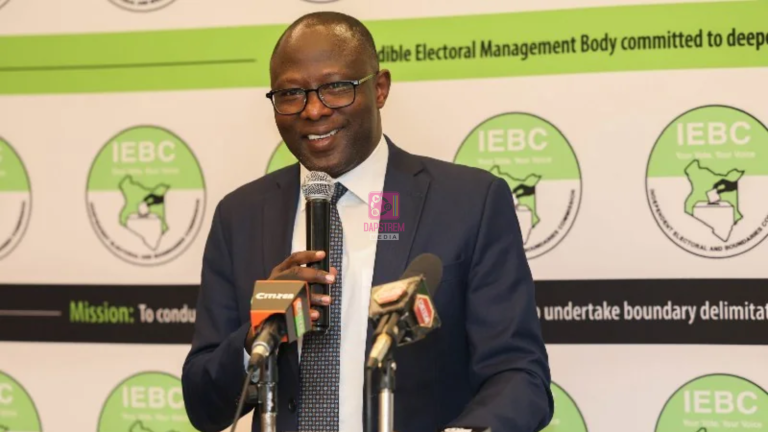
Amnesty International Kenya has entered a new leadership chapter following the appointment of George Morara as its new Executive Director, marking a significant transition for one of the country’s most prominent human rights organizations. Morara takes over from Irũngũ Houghton, who has led the organization for eight years, a period widely regarded as transformative in shaping Amnesty’s visibility, advocacy strength, and engagement on governance and human rights issues in Kenya.
The leadership change comes at a time when human rights discourse in Kenya continues to evolve amid increasing civic awareness, political reforms, and ongoing debates around governance, accountability, police conduct, freedom of expression, and social justice. As the new Executive Director, Morara steps into a role that demands not only institutional continuity but also renewed strategies to respond to emerging rights challenges in a fast-changing social and political environment.
During his tenure, Houghton became a central figure in human rights advocacy in Kenya, often speaking out on issues involving civic space, police accountability, electoral justice, and protection of vulnerable communities. Under his leadership, Amnesty International Kenya strengthened its public engagement, expanded research-based advocacy, and deepened its presence in national conversations on governance and human rights protection.

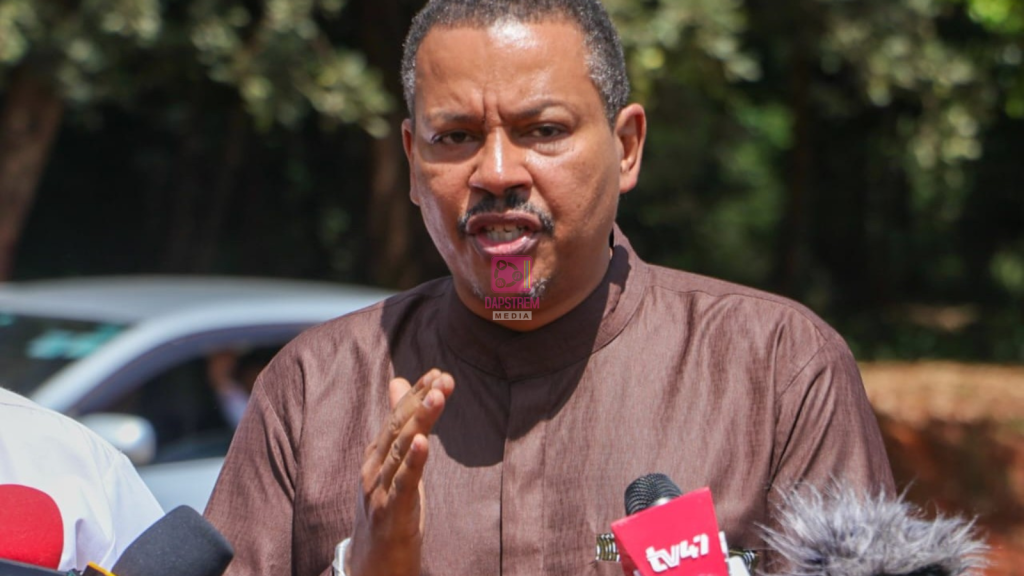
As he hands over leadership, Houghton has urged his successor to safeguard the independence of the institution, emphasizing that credibility remains the backbone of human rights work. He called on Morara to remain faithful to the law, deepen grassroots engagement, and maintain a bold and principled stance when addressing governance and rights violations. His message reflects the long-standing expectation that Amnesty International Kenya must continue operating without political interference while maintaining its role as a watchdog for human rights in the country.
George Morara’s appointment is expected to bring both continuity and new energy to the organization. While details of his strategic direction are yet to be fully outlined, his leadership will likely focus on strengthening community-based advocacy, expanding digital rights awareness, and reinforcing partnerships with civil society organizations, legal institutions, and international human rights networks. His role will also involve navigating an increasingly complex environment where issues such as police reform, land rights, gender equality, and freedom of assembly remain highly sensitive and deeply interconnected with national politics.
Kenya’s human rights landscape has seen both progress and persistent challenges over the past decade. While constitutional reforms have expanded legal protections and civic freedoms, concerns around extrajudicial actions, inequality, corruption, and restrictions on peaceful protest continue to dominate public debate. In this context, the leadership of Amnesty International Kenya remains critical in documenting violations, amplifying marginalized voices, and holding institutions accountable through evidence-based reporting and advocacy.
The transition also highlights the importance of institutional resilience within civil society organizations. Leadership changes in such bodies are often closely watched because they can influence advocacy priorities, public messaging, and engagement strategies. However, Amnesty International Kenya has emphasized continuity in its mission, ensuring that its core values of independence, impartiality, and human rights protection remain unchanged.
Morara now inherits an organization with a strong public profile and a history of active engagement in national and regional human rights issues. One of his key challenges will be maintaining trust across diverse stakeholder groups, including government institutions, grassroots communities, legal professionals, and international partners. Balancing constructive engagement with authorities while maintaining critical independence is often a defining feature of leadership in human rights organizations.
At the same time, there is growing expectation that Amnesty International Kenya will continue addressing emerging issues such as digital surveillance, climate justice, youth participation in governance, and protection of civil society space. These evolving areas require adaptive strategies and stronger collaboration with both local and global human rights actors.
The outgoing Executive Director’s emphasis on grassroots engagement also reflects a broader recognition that human rights advocacy must remain connected to lived realities. Community-level engagement ensures that advocacy work is informed by actual experiences of individuals affected by rights violations, rather than being limited to policy or institutional discussions alone.
As George Morara assumes office, the organization stands at a critical moment where public trust, institutional independence, and strategic clarity will define its next phase. The expectations are high, but so is the foundation built over years of sustained advocacy and public engagement.
Ultimately, the leadership transition at Amnesty International Kenya represents more than a change of personnel. It marks a continuation of a broader mission to defend human dignity, promote accountability, and ensure that human rights remain central to Kenya’s democratic journey.