Meta Introduces Paid “Plus” Subscriptions for Instagram, Facebook, and WhatsApp in New Monetization Shift
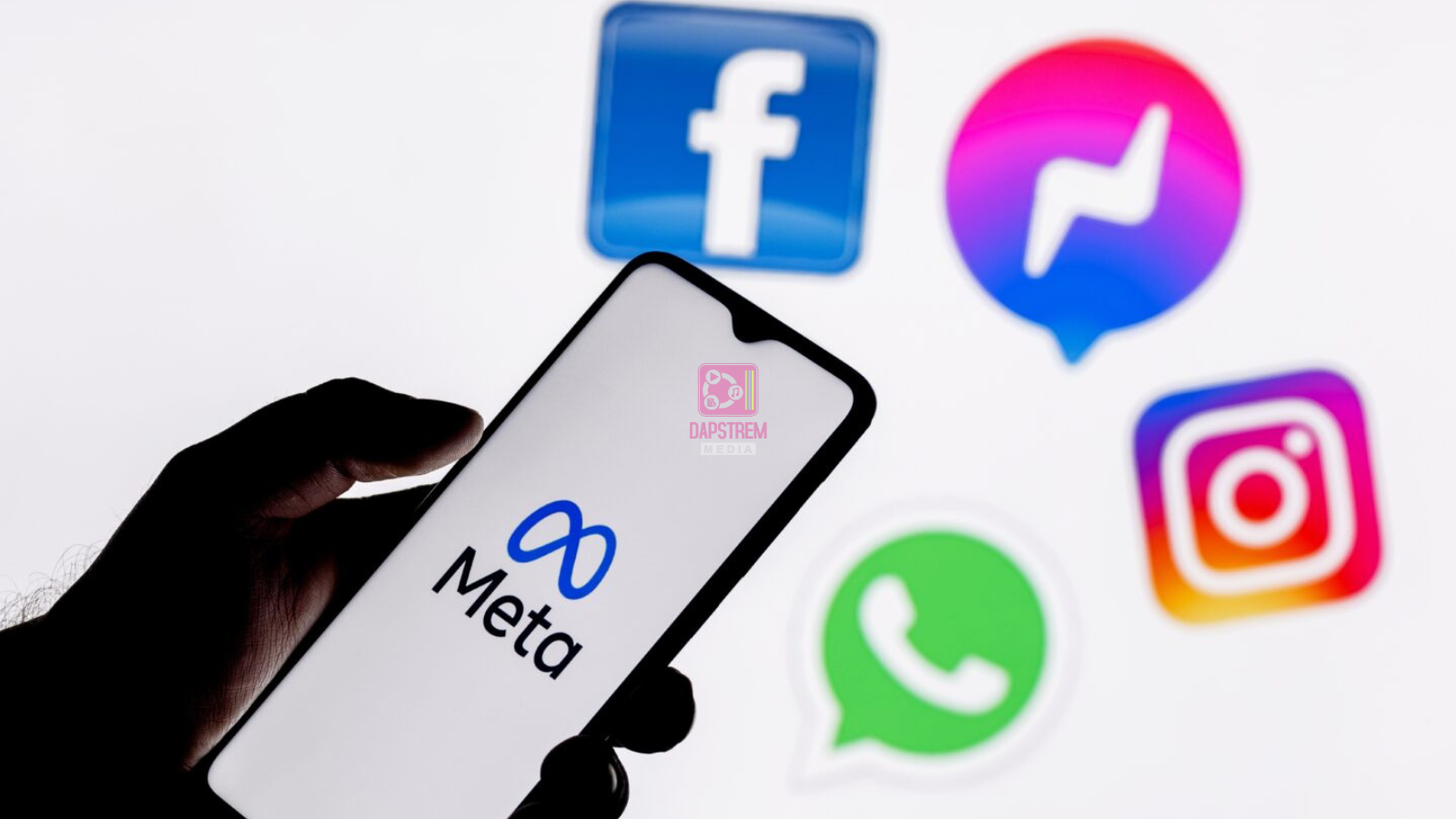
Tech giant Meta Platforms has introduced a new paid subscription model across its major social media platforms, rolling out “Instagram Plus,” “Facebook Plus,” and “WhatsApp Plus,” in what marks one of the company’s most significant shifts toward direct user monetization in recent years.
Under the new pricing structure, Instagram Plus and Facebook Plus will each cost approximately Ksh 517 per month, while WhatsApp Plus will be offered at about Ksh 388 per month. The subscriptions are designed to give users access to premium features, enhanced account control, and an ad-reduced or ad-free experience depending on region and package tier.
The move signals a major evolution in Meta’s business model, which has traditionally relied heavily on advertising revenue. For years, the company has offered its core services—Instagram, Facebook, and WhatsApp—as free-to-use platforms supported by targeted advertising and data-driven marketing systems. The introduction of subscription tiers now places a parallel revenue stream directly on users who opt for premium experiences.
While Meta has not eliminated free access to its platforms, the “Plus” versions are expected to target users who prefer enhanced privacy controls, faster support response times, improved content visibility tools, and additional customization options. Early descriptions suggest that subscribers may benefit from reduced advertising interruptions, expanded media storage, and advanced account verification features designed to improve authenticity and reduce impersonation.
The pricing structure, particularly in markets such as Kenya where the monthly fees translate to significant mobile spending, has already sparked debate among users and digital economy analysts. For many users who rely on social media for communication, business marketing, and content creation, the introduction of recurring subscription fees raises questions about affordability and digital access equity.
Kenya has one of the highest social media usage rates in Africa, with millions of users depending on WhatsApp for daily communication, Facebook for community engagement, and Instagram for business promotion and influencer marketing. As a result, any pricing changes to these platforms are likely to have a noticeable impact on digital behavior, especially among small businesses and young content creators.
Industry analysts suggest that Meta’s decision reflects broader trends in the global tech sector, where major platforms are experimenting with subscription-based revenue models to reduce dependency on advertising. Rising regulatory pressure, data privacy concerns, and fluctuating ad markets have pushed companies to diversify income streams while offering users more control over their experience.
However, the introduction of paid tiers also raises concerns about the creation of a “two-tier internet,” where users who can afford subscriptions receive enhanced visibility, fewer ads, and better features, while free users remain on the standard ad-supported version. Critics argue that this could deepen digital inequality, particularly in developing markets.
Supporters of the model, on the other hand, argue that subscriptions could improve user experience by reducing ad overload, increasing platform stability, and providing more transparent value exchange between users and the company. They also note that premium tiers may unlock new tools for businesses, influencers, and organizations that rely heavily on social media engagement.
The rollout is expected to be gradual, with different regions potentially receiving varied feature sets depending on regulatory environments and market conditions. Meta is also expected to continue refining the subscription packages based on user feedback and adoption rates in early rollout phases.
Despite the changes, free access to the core versions of Instagram, Facebook, and WhatsApp is expected to remain available, ensuring that users who do not subscribe can still use the platforms with advertising support.
As the digital landscape continues to evolve, Meta’s introduction of “Plus” subscriptions represents a significant shift in how social media platforms balance accessibility, profitability, and user experience. Whether users embrace the paid model or resist it will likely shape the future direction of one of the world’s most influential technology companies.