US sanctions Tanzanian police senior officer over alleged abuses linked to activists’ detention in Dar es Salaam.
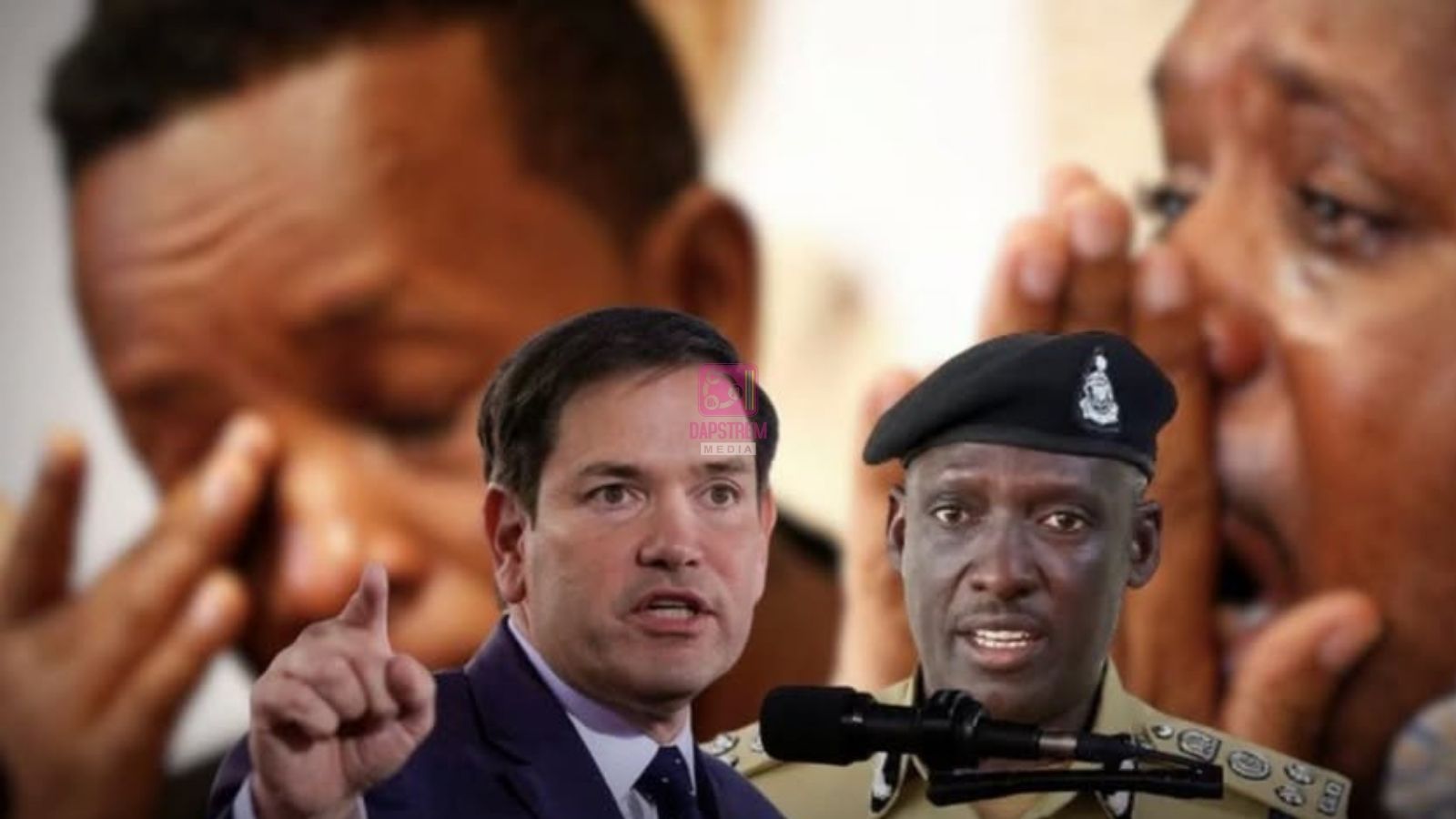
The United States government, through the United States Department of State, has imposed sanctions on a senior officer in the Tanzanian Police Force, Senior Assistant Commissioner Faustine Jackson Mafwele, over allegations of gross human rights violations. The decision marks a significant diplomatic move and adds new pressure on Tanzania’s law enforcement leadership amid long-standing concerns about civic freedoms and political repression in the region.
According to the announcement, Mafwele has been barred from entering the United States due to his alleged involvement in human rights abuses linked to the detention and mistreatment of foreign activists, including Ugandan activist Agather Atuhaire and Kenyan activist Boniface Mwangi. The US State Department stated that the sanctions are part of broader efforts to hold accountable individuals accused of undermining fundamental human rights and democratic principles.
The incident at the center of the sanctions reportedly occurred about a year ago in Dar es Salaam, Tanzania’s commercial capital. At the time, Atuhaire and Mwangi had traveled to Tanzania to observe court proceedings involving opposition leader Tundu Lissu, who has long been a prominent figure in Tanzanian politics and a vocal critic of the government. His legal battles have repeatedly attracted attention from human rights groups, legal observers, and international activists concerned about political freedoms in the country.
During their visit, the two activists are alleged to have been subjected to harsh treatment by Tanzanian authorities, an episode that later drew condemnation from human rights organizations. Reports circulating in advocacy and diplomatic circles suggested that the activists faced intimidation, detention, and possible abuse while under the custody or control of security personnel. These allegations eventually became part of a wider international scrutiny of Tanzania’s handling of political dissent and foreign observers.
Mafwele, a senior figure within the police hierarchy, has been specifically linked to the incident in allegations reviewed by US authorities. While the Tanzanian government has not publicly accepted wrongdoing in the matter, the US sanctions indicate that Washington found credible evidence or sufficient concern to justify punitive diplomatic action.
The sanctions mean that Mafwele is now permanently barred from entering the United States. In addition to the travel restriction, such measures often carry broader diplomatic consequences, including reputational damage and increased scrutiny from other international partners. The US has in recent years increasingly used targeted sanctions against individuals accused of human rights abuses, particularly in cases involving political repression, unlawful detention, or abuse of state power.

Human rights organizations have long raised concerns about the treatment of activists and opposition supporters in Tanzania. While the country has experienced periods of political openness, critics argue that there have also been episodes of shrinking civic space, especially during politically sensitive periods such as elections or high-profile court cases involving opposition figures.
The case involving Atuhaire and Mwangi has been particularly sensitive because it involved foreign nationals, drawing international attention beyond Tanzania’s borders. The presence of Kenyan and Ugandan activists at a politically charged trial added a regional dimension to the incident, raising questions about cross-border solidarity movements and the treatment of observers in politically sensitive environments.
For Tanzania, the sanctions place additional pressure on its international image at a time when the country has been seeking to balance domestic political stability with external diplomatic relationships. While the government has often rejected claims of systemic human rights violations, incidents such as this continue to fuel debate about the conduct of security agencies and the limits of political expression.
Within diplomatic circles, US sanctions of this nature are typically interpreted as both punitive and symbolic. They send a message not only to the individual involved but also to the wider security establishment that alleged abuses will have international consequences. At the same time, such actions can strain bilateral relations, particularly if the affected government views them as external interference in domestic affairs.
The Tanzanian authorities have yet to issue a detailed public response to the sanctions at the time of reporting. However, in previous similar cases, governments in the region have often defended their security agencies, arguing that law enforcement actions are taken within the bounds of national law and are sometimes misrepresented by external observers.
Meanwhile, human rights advocates have welcomed the US decision, viewing it as an important step toward accountability. They argue that targeted sanctions against individuals, rather than broad economic measures, help focus pressure on alleged perpetrators while minimizing harm to the general population.
The case is also likely to intensify discussions about the safety of activists and political observers operating within sensitive judicial or political environments in East Africa. Regional advocacy groups have repeatedly called for stronger protections for human rights defenders, especially those who cross borders to monitor trials or participate in civic engagement activities.
As the situation develops, attention will now turn to whether other international partners follow the US lead or whether the matter remains primarily a bilateral issue. What is clear, however, is that the sanctions against Senior Assistant Commissioner Mafwele have added a new layer of scrutiny to Tanzania’s human rights record and its handling of politically sensitive cases involving both domestic and foreign activists.
The development stands as a reminder of the increasing role of international accountability mechanisms in regional governance issues, and the growing willingness of global powers to take targeted action against individuals accused of serious human rights violations.