Kenyan Researcher Earns Sh446 Million Global Recognition for Breakthrough in Early Cancer Detection
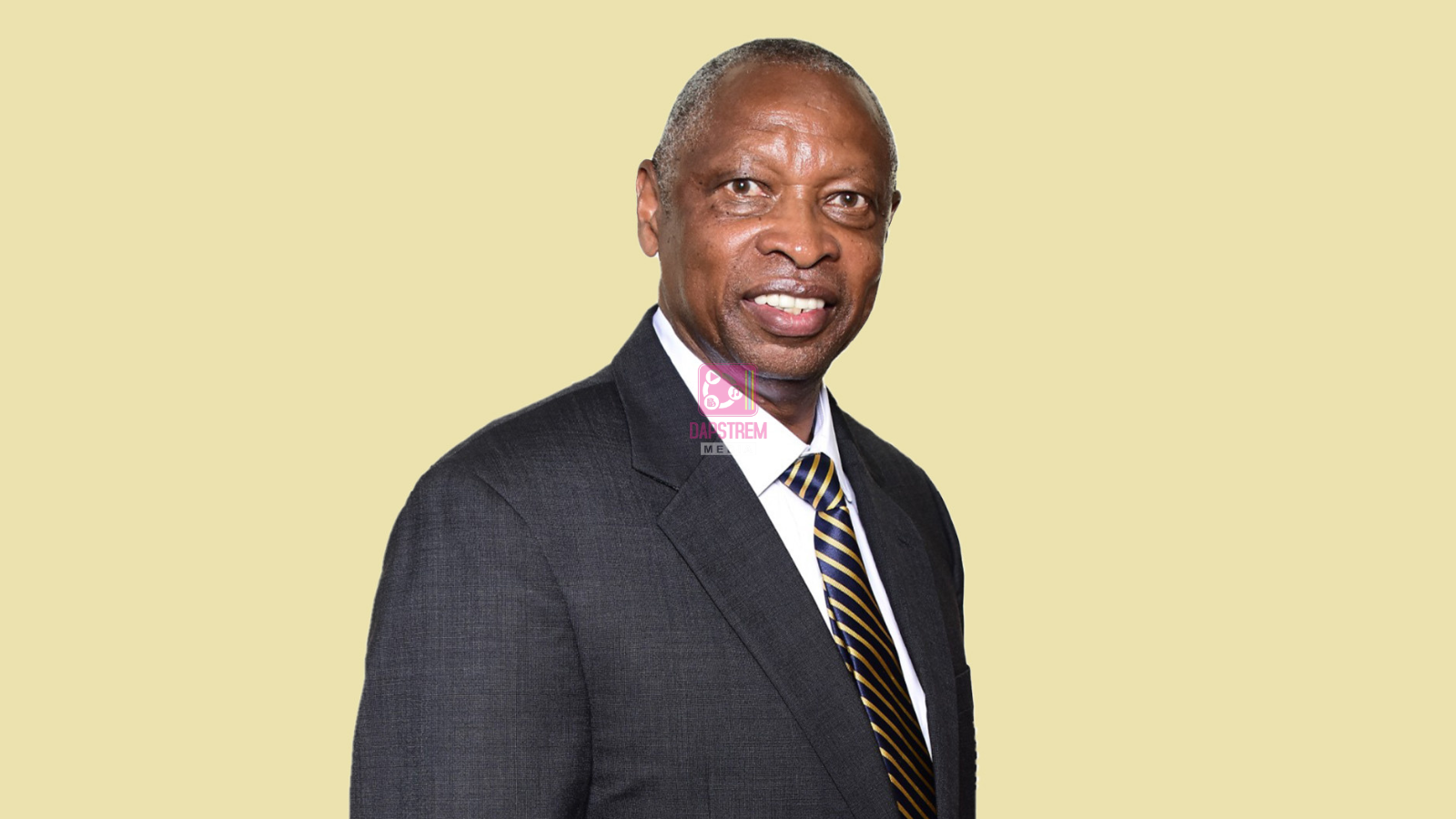
Kenya’s medical and scientific community is celebrating a major international achievement after renowned Kenyan researcher Professor George Njoroge won a prestigious Sh446 million global award alongside UK scientist Professor Robert Bristow for their groundbreaking work in improving the early detection of oesophageal cancer.
Professor Njoroge, an investigator at Kenyatta University Teaching Referral and Research Hospital, received the 2026 Greater Manchester Cancer Award in recognition of a transformative healthcare initiative that is already changing the lives of thousands of patients in Kenya. The award highlights years of collaboration between Kenyan and British researchers aimed at tackling one of the deadliest and most overlooked cancers affecting many African countries.
The recognition places Kenya at the center of global medical innovation and demonstrates the growing role African researchers are playing in solving some of the world’s most pressing health challenges. It is also a major milestone for cancer care in Kenya, where many patients continue to struggle with late diagnosis, expensive treatment and limited access to specialized medical services.
The award-winning programme focused on improving the early diagnosis and treatment of oesophageal cancer across several counties including Meru, Kisii, Nyeri, Nakuru and Kiambu. Through partnerships between local hospitals, international researchers and healthcare workers, the initiative developed a healthcare model designed to identify cancer cases earlier before they reach advanced and often untreatable stages.
The project achieved remarkable success by training more than 400 clinicians and over 500 community health workers, creating a strong network of professionals capable of recognizing symptoms, educating communities and referring patients for specialized care. Public awareness campaigns were also launched to encourage Kenyans to seek medical attention early whenever symptoms appeared.
In addition, the programme introduced mobile endoscopy services that have already completed more than 1,000 procedures in different parts of the country. For many patients living far from major urban hospitals, the mobile clinics became the first opportunity to access advanced screening services without traveling long distances.
Medical experts say the initiative is helping save lives because oesophageal cancer is particularly dangerous when diagnosed late. Early detection significantly increases the chances of successful treatment and survival.
Oesophageal cancer develops in the oesophagus, the tube that carries food from the mouth to the stomach. The disease is among the leading causes of cancer deaths globally and has become increasingly common in parts of East Africa, including Kenya. Doctors have for years raised concern over the unusually high number of cases reported in the region, particularly among relatively younger patients compared to trends seen in Western countries.
One of the biggest challenges with oesophageal cancer is that symptoms often appear when the disease has already advanced. Many patients only seek treatment after developing severe difficulty swallowing, chest pain, weight loss or persistent discomfort. By that time, treatment options may be limited.
Researchers have long tried to understand why East Africa experiences high rates of the disease. While the exact causes remain under investigation, experts believe several factors may contribute, including tobacco use, alcohol consumption, poor diet, consumption of extremely hot beverages, environmental exposure and genetic factors.
In Kenya, the burden of cancer has continued to rise steadily over the years. According to health experts, cancer is now among the leading causes of death in the country, with thousands of new cases diagnosed annually. However, many patients still face delayed diagnosis due to limited screening programs, lack of awareness and shortages of specialized healthcare facilities.
For years, cancer treatment in Kenya was concentrated in a few major hospitals in Nairobi, leaving patients from rural counties struggling to access care. Many families have often been forced to sell property, organize fundraisers or travel long distances in search of treatment. Some patients arrive at hospitals when the disease is already at an advanced stage because they could not access screening earlier.
That is why health specialists view the new initiative led by Professor Njoroge and Professor Bristow as a game changer. Instead of waiting for patients to travel to major cities, the programme brought services closer to communities while empowering local healthcare workers with critical knowledge and tools.
The involvement of community health workers proved especially important because they serve as the first point of contact in many Kenyan communities. Through training, they learned how to identify warning signs, educate families and encourage people to go for screening before symptoms worsen.
The awareness campaigns also helped fight fear and misinformation surrounding cancer. In many communities, cancer is still associated with stigma, myths or hopelessness, causing some patients to delay seeking medical care. By educating the public, the programme encouraged earlier action and improved trust in medical interventions.
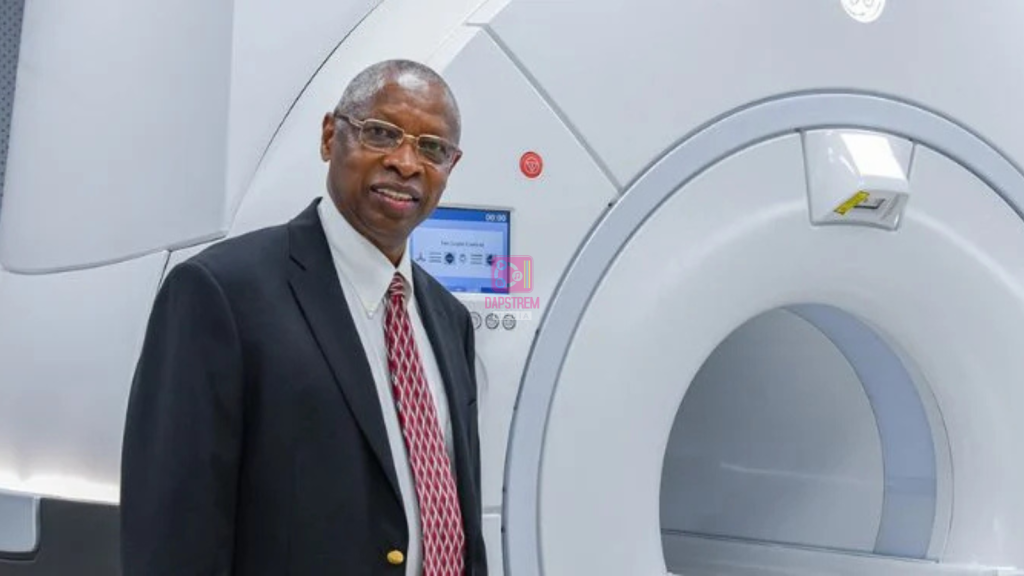
The mobile endoscopy units became one of the project’s most celebrated innovations. Endoscopy is a medical procedure used to examine the digestive tract using a flexible tube fitted with a camera. The technology allows doctors to detect abnormal tissue changes and identify cancer at earlier stages.
Traditionally, access to such services has been limited because specialized equipment and trained personnel are expensive. Mobile units helped bridge that gap by bringing advanced screening technology directly to counties and underserved areas.
The award also reflects the growing importance of international scientific collaboration. The partnership between Kenyan and UK researchers demonstrates how shared expertise, funding and technology can strengthen healthcare systems and improve outcomes in developing countries.
Professor Robert Bristow and the UK-based research team worked closely with Kenyan institutions to ensure the programme addressed local realities rather than applying one-size-fits-all solutions. The collaboration focused on sustainability, local training and building long-term healthcare capacity within Kenya.
Experts say such partnerships are becoming increasingly important as Africa faces a rising burden of non-communicable diseases including cancer, diabetes and heart disease. While infectious diseases such as malaria, HIV and tuberculosis have historically dominated public health discussions, cancer is rapidly emerging as a major crisis across the continent.
The World Health Organization has repeatedly warned that low- and middle-income countries are likely to experience significant increases in cancer cases in coming decades due to population growth, aging populations, urbanization and lifestyle changes.
Despite these challenges, stories like Professor Njoroge’s provide hope for the future of healthcare innovation in Africa. His achievement is being celebrated not only as a personal victory but also as proof that African scientists can lead globally recognized medical breakthroughs capable of transforming lives.
Many Kenyans have praised the recognition as a proud national moment, especially because the project directly impacts ordinary citizens who previously lacked access to life-saving screening services. Medical professionals say the programme could serve as a model for future healthcare interventions targeting other diseases across the country.
The success of the initiative may also encourage greater investment in medical research and healthcare infrastructure within Kenya. Researchers have often faced funding shortages and limited resources despite carrying out critical work that benefits millions of people.
Health experts continue to emphasize that early screening remains one of the most effective weapons against cancer. Detecting disease at earlier stages allows doctors to begin treatment sooner, improve survival rates and reduce treatment costs for families.
As Kenya continues battling the growing cancer burden, the achievement by Professor George Njoroge stands as a reminder of what is possible when science, innovation and public health come together. Beyond the international recognition and the Sh446 million award, the true impact of the initiative may ultimately be measured in the lives saved, families protected and communities given hope through earlier cancer detection and better healthcare access.