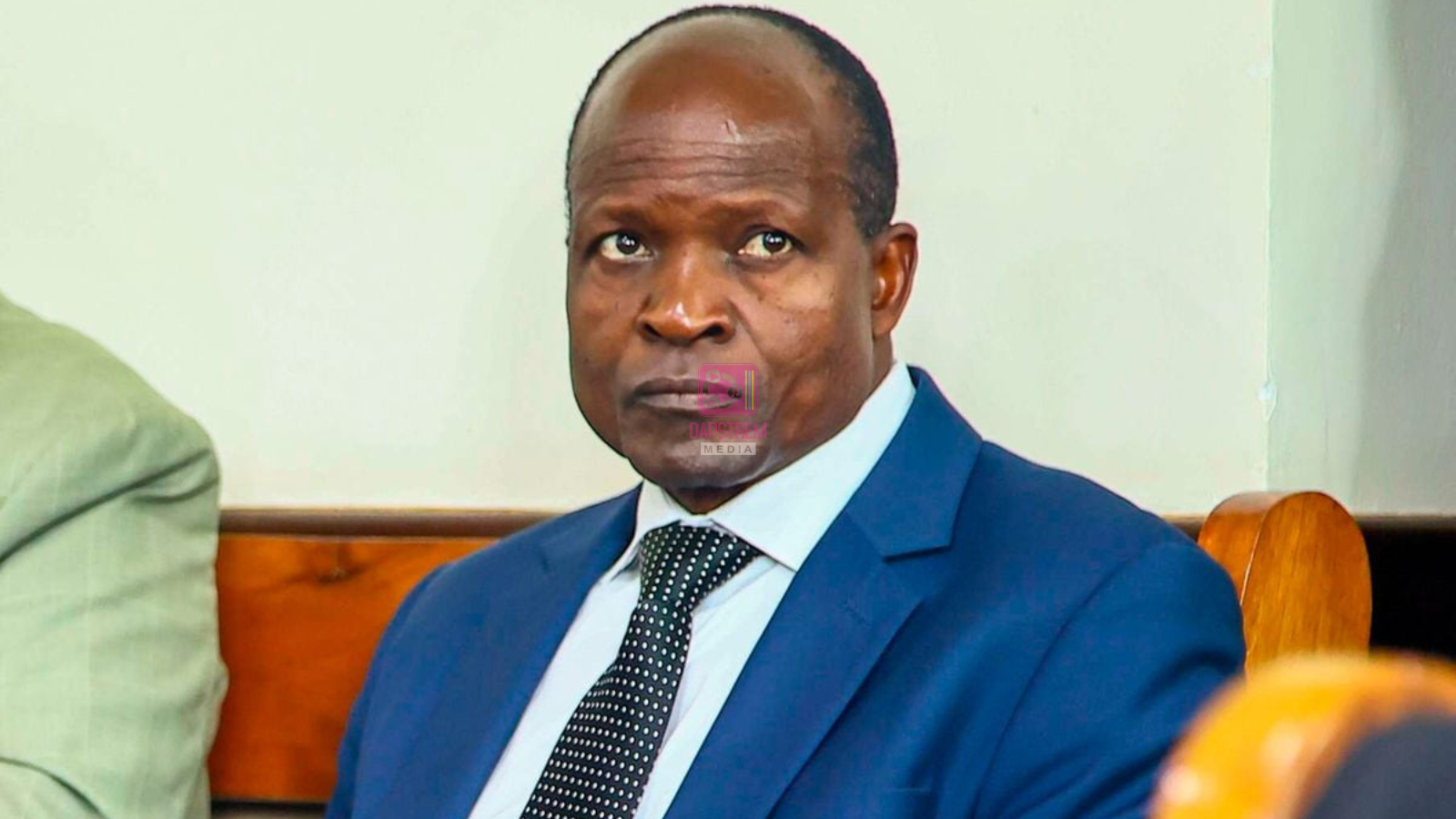
Former Migori Governor Okoth Obado sees Sh73 million corruption charges withdrawn following a plea agreement, ending years of legal proceedings
Former Migori Governor Okoth Obado’s long-running corruption case has taken a major turn after prosecutors withdrew charges linked to an alleged Sh73 million graft matter following a plea agreement. The development marks a significant moment in one of Kenya’s closely watched anti-corruption cases involving a former county boss, bringing fresh debate about accountability, plea bargains, and the pace of justice in high-profile graft trials.
Obado has been in and out of court for several years over corruption-related allegations tied to his time as Migori County Governor. The case dates back to investigations launched around 2018, when the Ethics and Anti-Corruption Commission (EACC) began probing allegations of embezzlement of public funds, abuse of office, and irregular payments involving Migori County government finances. The accusations centered on claims that millions of shillings were siphoned through questionable procurement processes and inflated payments for county projects.
The matter escalated into a full criminal prosecution, with Obado and several co-accused individuals charged in court. The charges included conspiracy to commit an economic crime, conflict of interest, and unlawful acquisition of public property. Over time, the case became one of the most prominent graft prosecutions involving a sitting and later former county governor, attracting national attention due to the scale of the alleged funds and the political stature of the accused.
As the case proceeded, it experienced multiple legal delays, including witness challenges, procedural objections, and repeated mentions in court. Like many complex corruption cases in Kenya, the proceedings stretched over several years, reflecting the slow pace of judicial processes in high-value economic crime trials.
Obado, who served as Migori Governor from 2013 to 2022, had earlier built a strong political profile in the Nyanza region. Before becoming governor, he was involved in local politics and rose through the ranks of county leadership during the implementation of devolution under Kenya’s 2010 Constitution. His tenure as governor was marked by both development projects and controversy, particularly surrounding allegations of financial mismanagement and political rivalries within the county.
The latest development in the Sh73 million case comes after negotiations between the prosecution and defense teams, which led to a plea agreement. As part of the arrangement, the prosecution opted to withdraw the specific charges tied to the Sh73 million graft allegation. While the exact terms of the plea deal have not been fully detailed in public reports, such agreements in Kenya’s legal system typically involve negotiations that may include admission of lesser charges, restitution, fines, or other legal considerations.
Plea agreements in corruption cases have become an increasingly discussed aspect of Kenya’s justice system. Supporters argue that they help speed up the resolution of complex cases, recover public funds more quickly, and reduce the burden on courts. Critics, however, often question whether such deals dilute accountability, especially in cases involving large sums of public money and high-profile political figures.
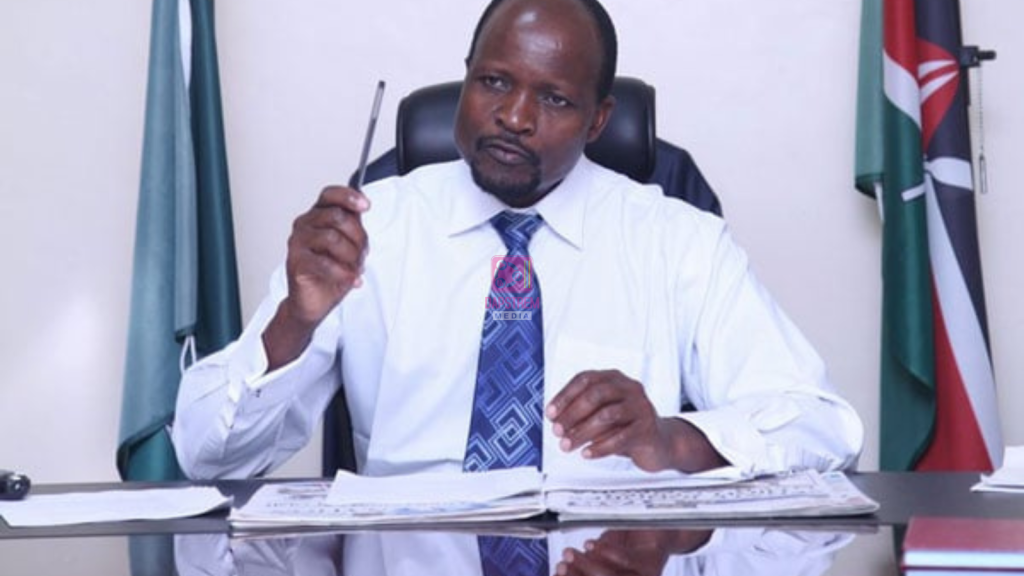
For Obado, the withdrawal of the Sh73 million graft charge represents a significant legal milestone, though it does not necessarily mean the end of his legal challenges depending on any remaining related cases or obligations under the plea arrangement. The development also reignites public debate about how corruption cases involving powerful individuals are handled and whether justice is being served consistently.
During his tenure as governor, Obado’s administration implemented several development initiatives in Migori County, including road projects, education support programs, and health sector improvements. However, these achievements were often overshadowed by political tension within the county and ongoing investigations that followed him throughout much of his time in office.
His legal battles also became a defining feature of his public image, with court appearances frequently drawing media attention. The prolonged nature of the case highlighted broader concerns about delays in Kenya’s anti-corruption efforts, where cases can take years before reaching conclusion.
The Ethics and Anti-Corruption Commission has in recent years intensified efforts to recover public assets and prosecute economic crimes, but challenges such as evidence gathering, witness cooperation, and legal technicalities have often slowed progress. The Obado case is one of several high-profile matters that have tested the effectiveness of Kenya’s anti-graft institutions.
As the case moves into a new phase following the plea agreement, attention now shifts to what accountability measures, if any, will accompany the withdrawal of charges. Kenyans continue to closely watch how corruption cases involving senior political figures are resolved, especially in a climate where public resources remain a major national concern.
For Obado, the latest legal outcome represents both relief and continued scrutiny, as his political legacy remains closely tied to both development achievements in Migori County and the corruption allegations that followed much of his leadership career.