Ex-Power Minister Saleh Mamman Sentenced to 75 Years Over ₦33.8 Billion Money Laundering Conviction
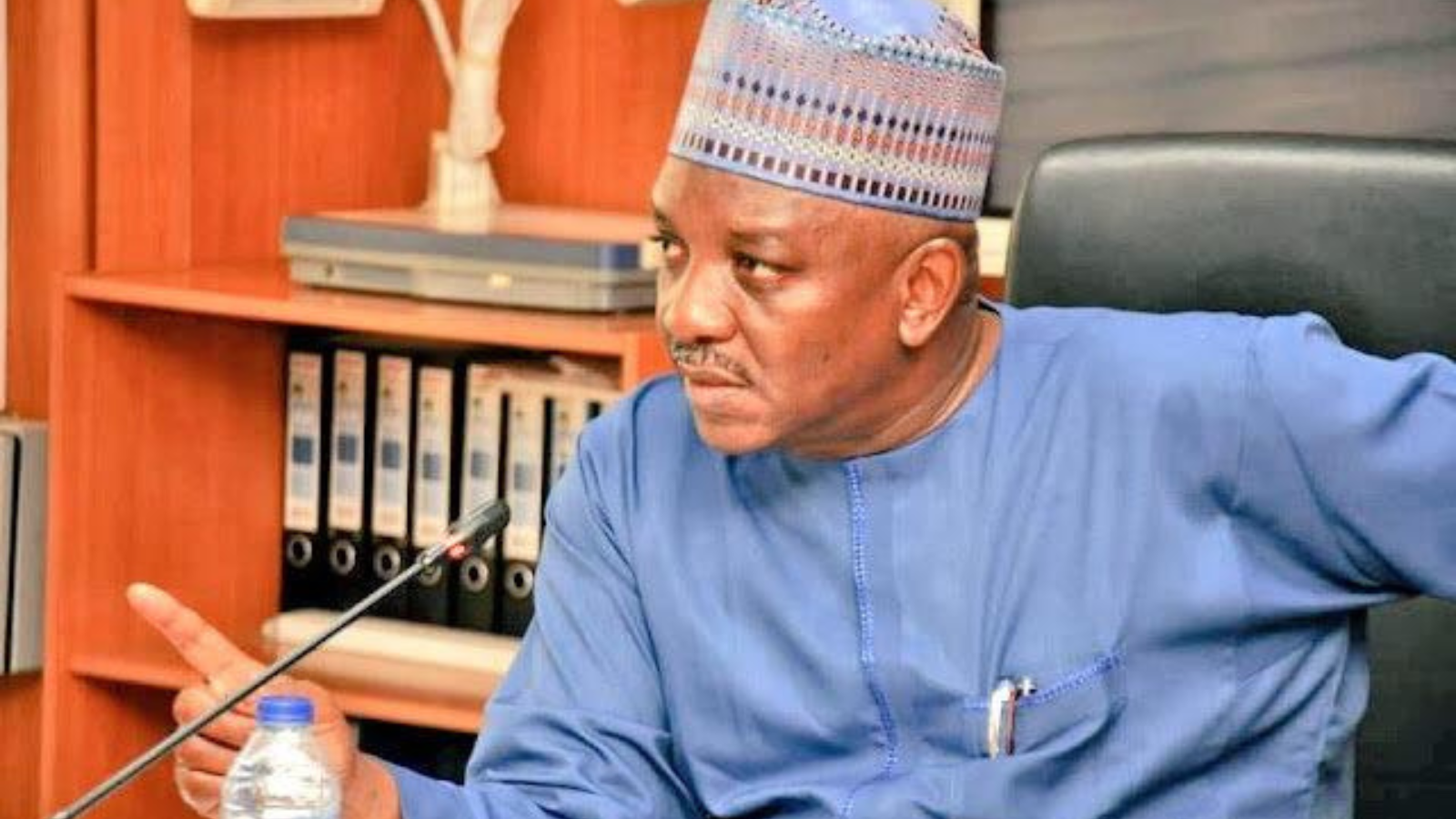
Former Nigerian Minister of Power, Saleh Mamman, has been sentenced to 75 years in prison after being found guilty of laundering approximately ₦33.8 billion (about $24.7 million), in one of the most significant corruption convictions involving a former cabinet minister in recent Nigerian history. The ruling, delivered by the Federal High Court in Abuja, marks a major milestone in Nigeria’s long-running battle against high-level corruption and misuse of public funds.
According to court documents and prosecutors from the Economic and Financial Crimes Commission (EFCC), Mamman was convicted on 12 separate counts of money laundering linked to funds intended for major national power infrastructure projects, including the Mambilla and Zungeru hydroelectric schemes. The court ruled that the sentences for each count would run consecutively, resulting in the cumulative 75-year prison term.
Mamman’s conviction has drawn widespread attention not only because of the length of the sentence but also due to his senior role in government. He served as Nigeria’s Minister of Power from 2019 until his removal in 2021, during the administration of former President Muhammadu Buhari. His tenure placed him at the center of one of Nigeria’s most sensitive and politically significant sectors—electricity generation and distribution, which has long been a major national challenge.
The court found that funds allocated for key energy projects were allegedly diverted through a network of private companies and questionable transactions, rather than being used for their intended public infrastructure development. Prosecutors argued that the misappropriated funds were part of a broader scheme that undermined efforts to improve Nigeria’s unstable electricity supply system, which continues to struggle despite massive government investment over the years.
Justice James Omotosho, who delivered the judgment, stated that the prosecution had proven its case beyond reasonable doubt on all counts. The court also ordered the forfeiture of recovered assets linked to Mamman and directed that remaining illicit funds be repaid to the federal government. Authorities further instructed security agencies to locate and arrest him to begin serving his sentence, as he was not present in court at the time of sentencing.
Born in the northern part of Nigeria, Saleh Mamman built his career in public service through various administrative and technical roles before rising into national politics. Prior to becoming minister, he held positions in government agencies connected to infrastructure and engineering services, which helped shape his profile as a technocrat within political circles. His appointment as Minister of Power in 2019 was part of a broader cabinet reshuffle aimed at improving Nigeria’s struggling electricity sector.
However, his time in office was overshadowed by persistent criticisms of slow reforms, ongoing power shortages, and allegations of mismanagement in large-scale infrastructure spending. The power sector, often described as the backbone of economic development, remained one of Nigeria’s most controversial and heavily scrutinized ministries during his tenure.
Nigeria, Africa’s most populous nation, has long faced systemic corruption challenges within public institutions. Despite repeated anti-corruption campaigns by successive governments, convictions of high-ranking officials remain relatively rare, making Mamman’s sentencing particularly notable. The EFCC has described the case as part of its continued efforts to recover stolen public funds and hold politically exposed persons accountable.
The projects at the center of the case, particularly the Mambilla Hydroelectric Power Project, were designed to significantly boost Nigeria’s electricity generation capacity. Delays and financial controversies surrounding such projects have contributed to ongoing power shortages, which continue to affect industries, households, and economic growth across the country.
Public reaction to the ruling has been mixed. While anti-corruption advocates have praised the judgment as a step toward accountability, others view it as a reminder of the deep-rooted challenges that still exist within Nigeria’s governance and public financial management systems. The scale of the sentence has also sparked debate on judicial consistency and the effectiveness of deterrence in corruption-related crimes.
As authorities move to enforce the ruling, Mamman’s legal team may still pursue appeals, though the court’s decision currently stands as one of the most severe convictions handed down to a former Nigerian minister. His case is expected to remain a reference point in discussions around governance, public accountability, and anti-corruption enforcement in West Africa.
Ultimately, the conviction of Saleh Mamman underscores both the scale of financial mismanagement allegations in Nigeria’s public sector and the increasing willingness of judicial institutions to pursue high-profile figures. Whether this ruling signals a lasting shift in anti-corruption enforcement remains to be seen, but for now, it represents a landmark moment in Nigeria’s ongoing struggle for transparency and accountability in governance.