
CNN Founder Ted Turner Dies at 87, Leaving Behind a Media Legacy That Changed Global Television Forever
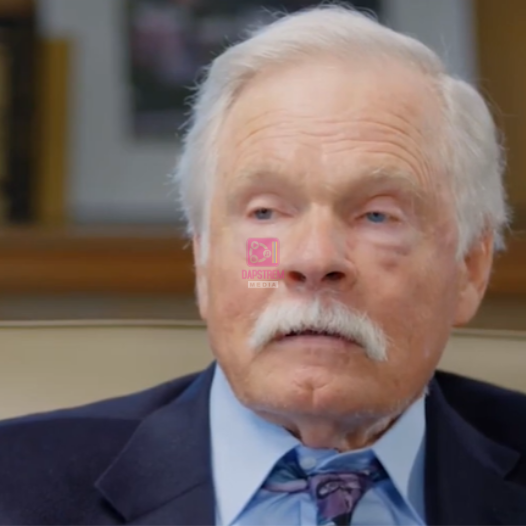
The world of journalism and global media is mourning the death of Ted Turner, the visionary businessman who transformed television news by launching the world’s first 24-hour news network, CNN. Turner died at the age of 87 near Tallahassee, Florida, after years of health struggles, including a diagnosis of Lewy body dementia in 2018. His death was confirmed by Turner Enterprises on Wednesday, bringing an end to the remarkable life of one of the most influential figures in modern broadcasting history.
Ted Turner was more than just a businessman. He was a revolutionary thinker whose bold ideas reshaped how people around the world consumed news, entertainment, and live global events. At a time when television news was largely confined to scheduled evening broadcasts, Turner believed viewers wanted constant access to information. That belief led to the creation of CNN in 1980, a groundbreaking network that permanently changed journalism and established the foundation for modern continuous news coverage.
Before CNN, the concept of a 24-hour news station was considered risky and unrealistic by many in the television industry. Critics believed people would not watch news around the clock, and several media executives dismissed the idea as financially impossible. But Turner saw the future differently. He believed that major events could happen at any moment and that audiences wanted immediate updates instead of waiting for nightly bulletins.
When CNN officially launched on June 1, 1980, it marked one of the most important turning points in television history. Initially broadcasting from Atlanta, the network started with limited resources and faced skepticism from established broadcasters. Yet within a few years, CNN proved its critics wrong by becoming a trusted source of breaking news across the globe.
The network gained international recognition during major world events such as the Gulf War in the early 1990s, when CNN reporters broadcast live coverage from Baghdad while bombs fell around them. The dramatic reporting changed global journalism forever and established real-time war coverage as a defining feature of modern television news. Millions of viewers around the world turned to CNN during global crises, elections, disasters, and political events, cementing the network’s place in history.
Ted Turner’s influence extended far beyond CNN. He was also the force behind major cable television brands such as TBS and TNT, helping expand cable television during a period when the industry was still developing. Turner understood the power of specialized channels long before it became standard in media. He invested heavily in entertainment, sports broadcasting, and film libraries, building an empire that transformed cable television into a dominant force in American households.
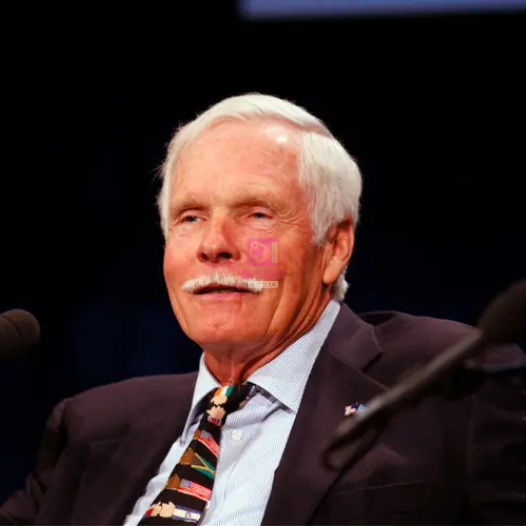
His business success reached new heights in 1996 when Turner Broadcasting merged with Time Warner in a deal valued at approximately $7.3 billion. The merger was considered one of the biggest media deals of its time and solidified Turner’s status as one of the most influential media entrepreneurs in the world.
Born Robert Edward Turner III on November 19, 1938, in Cincinnati, Ohio, Ted Turner experienced both privilege and personal tragedy during his early life. His father, Ed Turner, was a successful billboard businessman whose strict personality deeply influenced him. Turner later attended Brown University but was expelled before graduating. Despite academic setbacks, he eventually took over his father’s advertising business after his father died by suicide in 1963.
That tragedy became a defining moment in his life. At just 24 years old, Turner suddenly found himself responsible for managing the company. Through determination and aggressive business strategies, he expanded the business and later entered the broadcasting world by acquiring struggling television stations. His willingness to take risks became one of his most defining characteristics.
Turner was known for his larger-than-life personality, unconventional style, and fearless decision-making. He often made headlines not only for his business ventures but also for his outspoken nature. Throughout his career, he challenged traditional media practices and frequently positioned himself as an outsider willing to disrupt the status quo.
Beyond business, Ted Turner was also widely respected for his philanthropic and environmental work. He became deeply involved in conservation efforts and global humanitarian causes, donating large sums of money to initiatives focused on peace, climate change, and public health. In 1997, he pledged $1 billion to support the United Nations, one of the largest charitable commitments ever made by an individual at the time. That donation later helped establish the United Nations Foundation, where Turner served as chairman.
His environmental activism also made him one of the largest private landowners in the United States. Turner used much of his land for conservation projects, wildlife restoration, and sustainable ranching initiatives. He became especially passionate about protecting endangered species and restoring bison populations across North America.
Turner’s personal life often attracted public attention as well. He was famously married to actress and activist Jane Fonda from 1991 until their divorce in 2001. Their relationship was widely covered in the media and became one of the most talked-about celebrity marriages of the era.
In later years, Turner largely stepped away from active media management as health challenges began affecting his life. In 2018, he publicly revealed that he had been diagnosed with Lewy body dementia, a progressive neurological disorder that affects thinking, movement, memory, and behavior. The condition is considered one of the most common forms of dementia after Alzheimer’s disease.
Despite declining health, Turner remained admired as one of the pioneers who transformed global communication. Media executives, journalists, politicians, and world leaders have continued to recognize his enormous contribution to journalism and broadcasting.
Many experts believe modern news culture would look entirely different without Ted Turner’s innovations. The existence of rolling news channels, live breaking news coverage, and real-time global broadcasting can all be traced back to his vision. Today, nearly every major broadcaster in the world operates some version of the 24-hour news model that Turner pioneered more than four decades ago.
His impact also stretched into sports broadcasting. Turner owned major sports franchises including the Atlanta Braves baseball team and the Atlanta Hawks basketball team. Through his media networks, he helped popularize sports broadcasting nationally and expanded audience access to live sporting events.
Throughout his life, Turner remained a deeply ambitious figure driven by competition, curiosity, and the belief that media had the power to shape societies. Even critics acknowledged his ability to predict industry trends years before others recognized them.
The death of Ted Turner marks the end of an era in global media. His innovations not only transformed television but also changed how humanity experiences world events in real time. From wars and elections to natural disasters and historic celebrations, billions of people around the globe consumed news through systems inspired by Turner’s original vision.
As tributes continue pouring in from across the world, many are remembering him not simply as the founder of CNN but as a man who fundamentally changed the way information travels across the planet. His legacy will continue living through the global media landscape he helped create, the humanitarian causes he supported, and the generations of journalists and broadcasters inspired by his groundbreaking ideas.