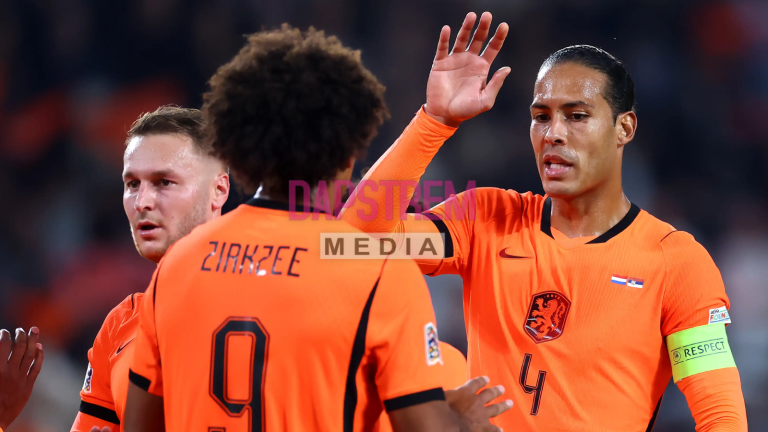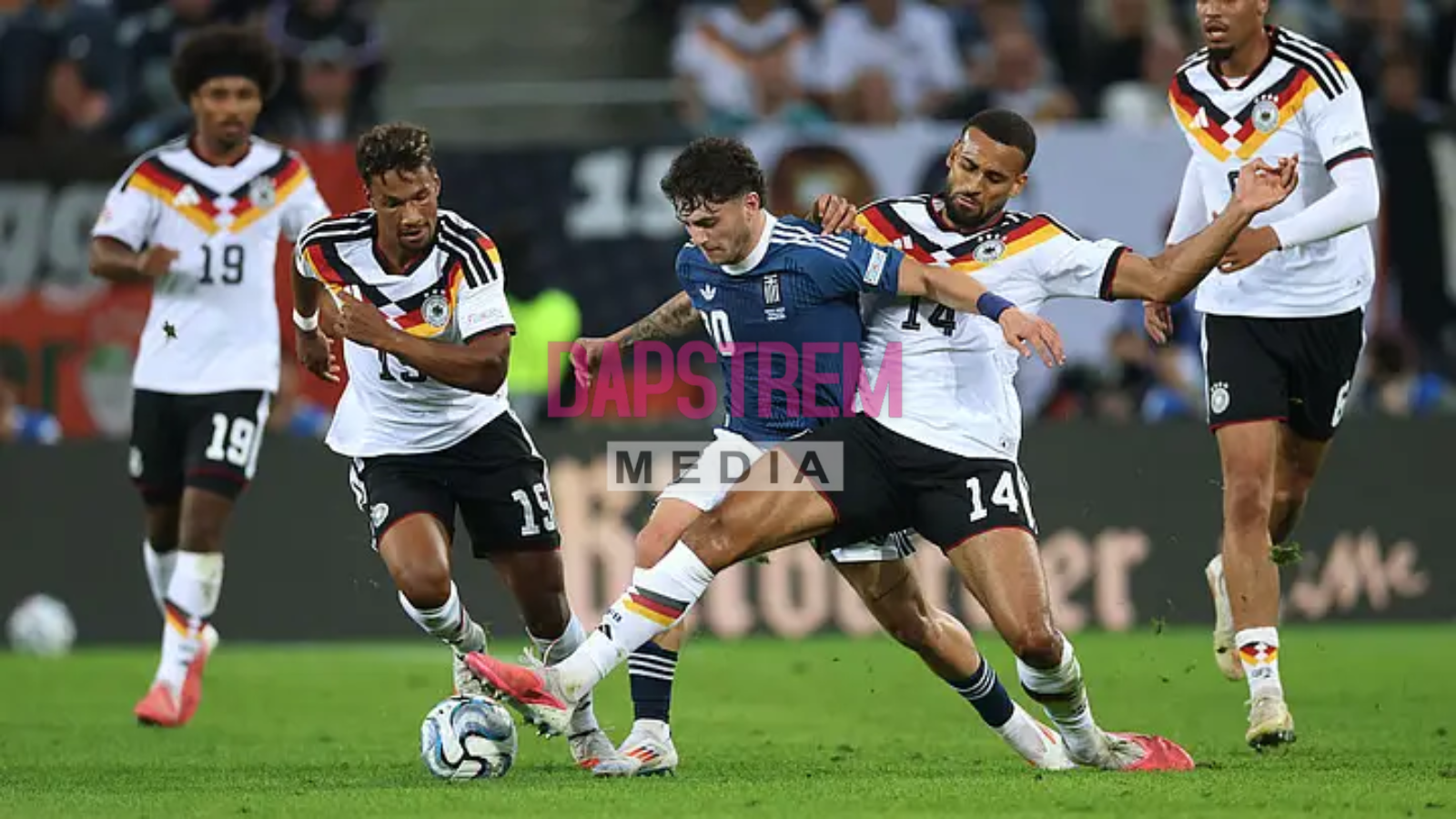
The 0–0 result was ultimately a fair reflection of a match in which Germany controlled large stretches and created the clearer chances, but Greece’s defensive organisation and goalkeeper Konstantinos Tzolakis repeatedly denied the visitors. The draw left Greece and the Netherlands level on eight points at the top of Group A2, while Germany moved to five points and remained third.
For Klopp, it was another frustrating result in the early stages of his Germany tenure. After four Nations League matches, Germany have managed only one victory, leaving them with plenty of work to do if they are to reach the knockout stage.
Greece start with a warning
Playing in front of a passionate home crowd in Thessaloniki, Greece immediately showed that Germany would not have an easy evening.
Within the opening two minutes, Georgios Masouras found himself unmarked in the German penalty area after an excellent cross from Kostas Tsimikas. His header looked destined for the net, but Germany goalkeeper Jonas Urbig produced an outstanding save to keep the score at 0–0.
That early warning appeared to wake Germany up. Florian Wirtz soon began to find space between the Greek midfield and defence, while Derry Scherhant and Tom Bischof offered additional attacking movement. Germany gradually took control of possession and territory.
Germany take control but cannot score
The visitors created several opportunities during an increasingly dominant first half. Wirtz came close after a clever run through midfield, while Scherhant tested Tzolakis with a curling effort. Bischof also forced the Greek goalkeeper into action with a powerful strike. Germany thought they had finally broken the deadlock in the 32nd minute.
Scherhant supplied the ball for Jonathan Burkardt, who bundled the ball into the net. The celebrations, however, were short-lived. VAR intervened and the goal was ruled out because of a handball in the build-up.
It was a crucial moment. Germany had finally found the breakthrough they had been searching for, only for the goal to disappear from the scoreboard.
The visitors continued to push before the interval. Scherhant fired narrowly wide, while Wirtz also came close as Germany ended the opening 45 minutes firmly in control. But Greece had survived.
Tzolakis becomes Greece’s wall
The second half followed a similar pattern initially. Germany continued to press for a goal, with Lennart Karl testing Tzolakis almost immediately after the restart. The Greek goalkeeper was becoming increasingly important to his team’s resistance.
At the other end, Greece occasionally threatened from set pieces. Konstantinos Mavropanos got on the end of a corner but his header lacked the power to seriously trouble Urbig.
Germany’s problem was not getting into promising positions. It was turning those positions into goals. The longer the game remained scoreless, the more confident Greece became.
Greece grow into the match
Around the final quarter of the game, the momentum began to change. Greece became more physical and disruptive, breaking up Germany’s rhythm with fouls and aggressive challenges. Their defensive block became increasingly difficult for Klopp’s players to penetrate.
Masouras again came close in the 77th minute, heading just over after another dangerous Greek cross. Germany still had possession, but the creativity that had characterised their first-half performance was beginning to disappear.
Wirtz tried from distance but sent his effort over the crossbar, while Philipp Treu also failed to hit the target with a late attempt.
Klopp’s Germany still searching for consistency
The result is particularly frustrating for Klopp because there were genuine positives in Germany’s performance.
The visitors created enough opportunities to win the game. They controlled possession for long periods and repeatedly forced Greece into defensive positions.
But football is ultimately decided in the penalty area, and Germany lacked the clinical finishing necessary to turn dominance into three points.
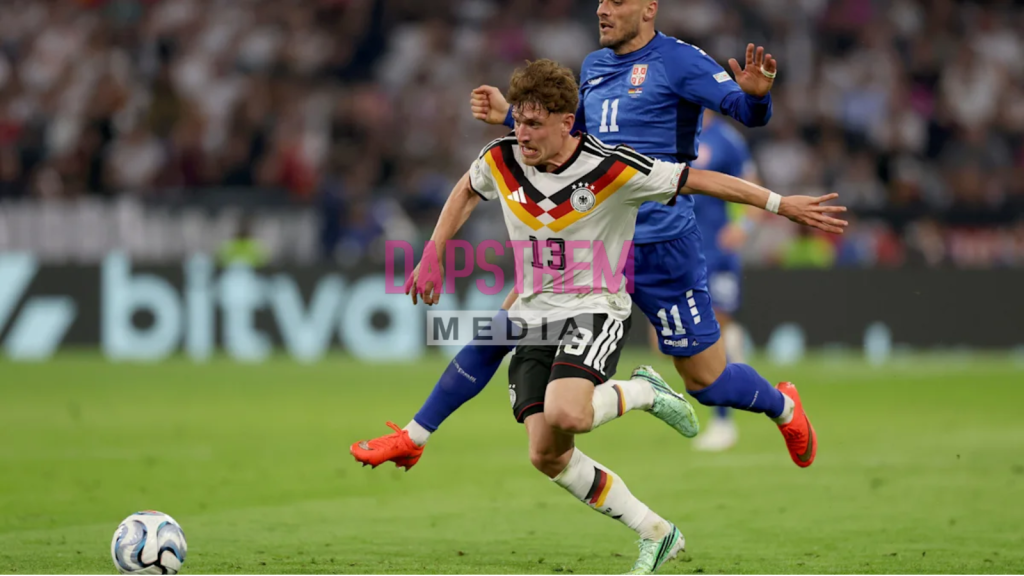
Klopp had also made several changes to his side, with Jonas Urbig continuing in goal and Malick Thiaw partnering Waldemar Anton in central defence. Wirtz captained the team, while Burkardt led the attack.
The German coach introduced Saïd El Mala and Nick Woltemade in the second half in an attempt to find the breakthrough, but the changes failed to produce a goal.
The draw means Klopp has won only one of his first four Nations League matches. That is not disastrous, but it leaves Germany in an uncomfortable position.
Greece remain unbeaten
For Greece, the point was considerably more valuable. Ivan Jovanović’s team remain unbeaten in Group A2 after four matches. They have collected eight points, following victories over Serbia and Germany and draws against the Netherlands and Germany.
Their defensive discipline has been a major feature of the campaign. Against Germany, they survived sustained pressure, protected their goalkeeper effectively and became increasingly difficult to break down as the match progressed.
There was also a notable contrast with Greece’s previous meeting with Germany. The Greeks had defeated Germany 1–0 in Augsburg earlier in the Nations League, meaning they have now taken four points from the two encounters between the sides.
What the result means for Group A2
The draw leaves the group extremely tight. The Netherlands and Greece sit on eight points, with the Netherlands currently ahead on goal difference. Germany are third on five points, while Serbia remain bottom.
With only two matches remaining, every point now carries enormous weight. Germany still have a route to the quarter-finals, but their margin for error is shrinking. They will travel to Serbia in November before finishing the group stage at home against the Netherlands. Greece, meanwhile, travel to the Netherlands before hosting Serbia in their final match.
The bigger story
The most revealing aspect of the match was the contrast between Germany’s control and Greece’s resilience. Germany looked like the technically superior side for long periods. Wirtz was influential, Scherhant provided energy and the midfield generally dictated the tempo.
But Greece demonstrated something equally important: the ability to suffer without losing their shape. That is why the hosts leave Thessaloniki satisfied while Germany leave wondering what might have been.
For Greece, the 0–0 draw reinforces their credentials as a serious contender in Group A2.
For Klopp, it highlights the biggest challenge facing his Germany project: turning attractive spells of football and territorial dominance into goals and victories.
Germany have now gone from defeating Serbia 2–0 to being held scoreless by Greece. The quality is clearly there, but consistency remains elusive.
And with the Netherlands sitting at the top of the group, Germany cannot afford many more nights when possession and chances produce nothing on the scoreboard.