
Communities across Kenya have been urged to move beyond simply preserving and showcasing their cultural heritage and instead turn traditional knowledge, skills and cultural products into sustainable sources of income, jobs and investment.
The call was made during the two-day Laikipia Cultural Tourism Festival at Rumuruti Stadium, where communities from across the country gathered to celebrate their traditions while exploring ways of linking culture with economic development.
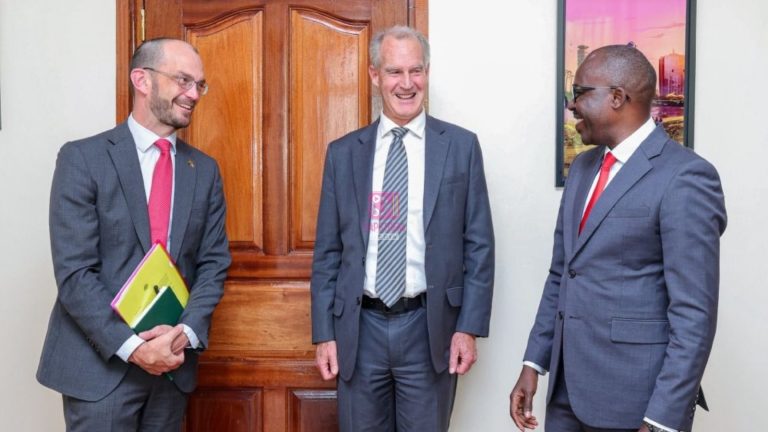
Head of Public Service Felix Koskei said traditional knowledge, skills and cultural products have significant commercial potential if communities develop them into enterprises capable of serving both local and international markets.
The festival brought together members of the Kikuyu, Meru, Turkana, Yiaku, Maasai, Samburu, Endorois/Tugen, Pokot, Nandi, Kipsigis and Keiyo communities.
Participants showcased traditional foods, music, dance, arts, crafts and indigenous technologies, providing a glimpse into the diversity of Kenya’s cultural heritage.
From cultural displays to businesses
Koskei challenged communities to view culture not only as something to be protected for future generations but also as an asset capable of generating livelihoods.
The message reflects a growing government focus on commercialising indigenous knowledge and cultural products as part of Kenya’s wider economic transformation agenda.
The government’s 2026 Budget Policy Statement identifies the commercialisation of indigenous knowledge as a priority within its culture and heritage programmes. It targets the commercialisation of 450 cultural and creative products, with the intention of creating employment and economic opportunities for cultural practitioners, women and young people.
This approach could open opportunities in areas ranging from traditional crafts and fashion to cuisine, music, cultural performances, storytelling, heritage tourism and indigenous technologies.
For many rural communities, such enterprises could provide an additional source of income while creating markets for skills that have traditionally been passed from one generation to another.
Cultural tourism offers new opportunities
Tourism and Wildlife Cabinet Secretary Rebecca Miano said cultural tourism could help Kenya attract more visitors and increase earnings for local communities.
The push comes as Kenya seeks to diversify its tourism offering beyond the country’s traditional wildlife and beach attractions.
Kenya’s cultural diversity provides an opportunity to develop experiences around traditional food, music, architecture, crafts, festivals, historical sites and indigenous knowledge.
The government has previously said it wants communities to benefit more directly from tourism while ensuring that cultural preservation remains at the heart of tourism development. President William Ruto has also backed greater investment in cultural tourism, arguing that modern tourists increasingly seek authentic cultural experiences.
Recent initiatives demonstrate how this model can work.
In Kwale, for example, a mangrove boardwalk launched in the Diani-Chale area is being developed as an eco-tourism attraction while supporting conservation and creating opportunities for local communities. Residents have linked the initiative to the protection of marine resources, Kaya forests and cultural heritage.
Women and young people stand to benefit
The commercialisation of cultural heritage could have particular significance for women and young people, who are already heavily involved in many traditional creative industries.
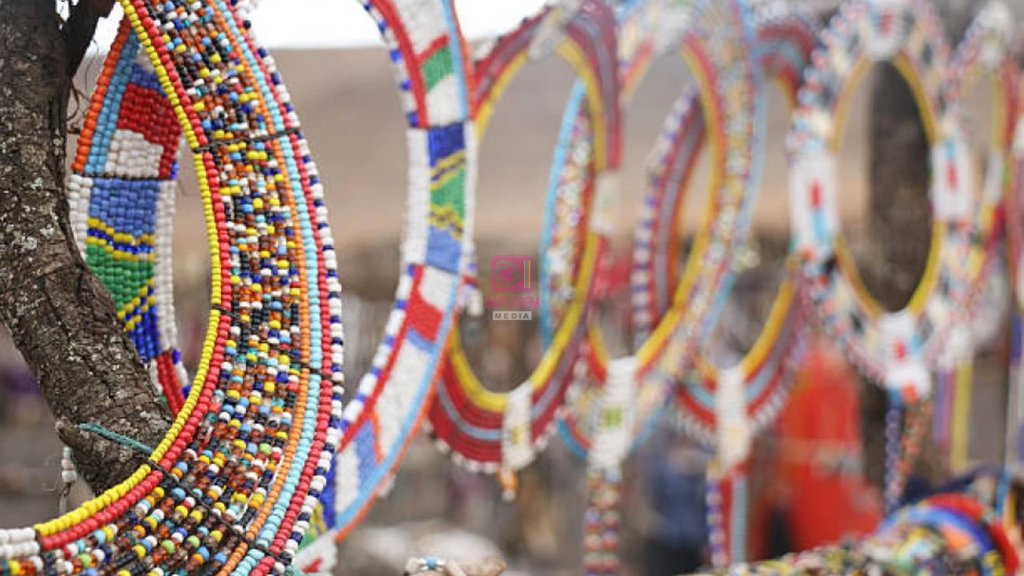
Beadwork, basketry, weaving, pottery, traditional clothing, food processing and artistic performances can provide entry points into entrepreneurship when combined with improved design, branding, digital marketing and access to wider markets.
Government plans specifically include training 1,200 women and girls from pastoralist communities in bead-craft production and commercialising cultural products to create jobs for women and youth.
The challenge, however, is ensuring that cultural entrepreneurs receive more than training.
Access to finance, reliable markets, product certification, intellectual-property protection, packaging, digital platforms and tourism infrastructure will be essential if traditional skills are to become commercially sustainable enterprises.
Festivals becoming economic platforms
Cultural festivals are increasingly being viewed as more than celebrations.
Across Kenya, such events are creating spaces where communities can showcase products, attract visitors, promote local destinations and connect artisans and entrepreneurs with potential customers.
The planned sixth Piny Luo Cultural Festival in Kisumu, scheduled for December 14–16, 2026, is similarly being positioned as a platform for cultural celebration, unity and economic opportunity. The event is expected to feature cultural exhibitions alongside business forums, innovation showcases, sports and discussions on social and economic development.
Such events can create a local economic chain involving hotels, restaurants, transport providers, artisans, performers, tour guides, farmers and small businesses.
Preserving culture while creating wealth
While commercialising heritage presents opportunities, experts and cultural practitioners face the delicate task of ensuring that traditions are not reduced to commodities.
Kenya’s heritage policies emphasise both preservation and sustainable commercialisation. The National Museums of Kenya, for example, has identified increased economic opportunities from natural and cultural heritage as a strategic goal, including documenting and digitising indigenous knowledge with the participation of community elders and knowledge holders.
That balance will be critical.

Communities need to retain control over their cultural knowledge and determine how sacred or sensitive traditions are presented to outsiders. At the same time, traditional skills that can legitimately be commercialised can be developed into modern products without losing their cultural identity.
Culture as an engine of local development
The growing focus on cultural enterprise signals a broader shift in how Kenya views its heritage.
Rather than treating culture solely as a matter of identity and preservation, policymakers are increasingly seeing it as part of the country’s creative economy and tourism industry.
For communities, the opportunity lies in transforming knowledge accumulated over generations into products and experiences that can compete in today’s marketplace.
That could mean turning traditional crafts into recognised brands, developing cultural villages and museums, packaging indigenous foods for formal markets, training professional cultural guides or creating festivals capable of attracting visitors from around the world.
But the benefits must remain within the communities that own and preserve the heritage.
If properly managed, cultural tourism and indigenous enterprises can achieve two objectives at once: keeping Kenya’s diverse traditions alive while creating tangible economic opportunities for the people who carry them.
The message from Laikipia was therefore clear: Kenya’s cultural heritage is not only a record of where communities have come from. Properly protected, developed and marketed, it can also become part of the economic foundation for where they are going.