Nairobi Traders Shut Shops as KRA Customs Valuation Dispute Sparks Fresh Protests
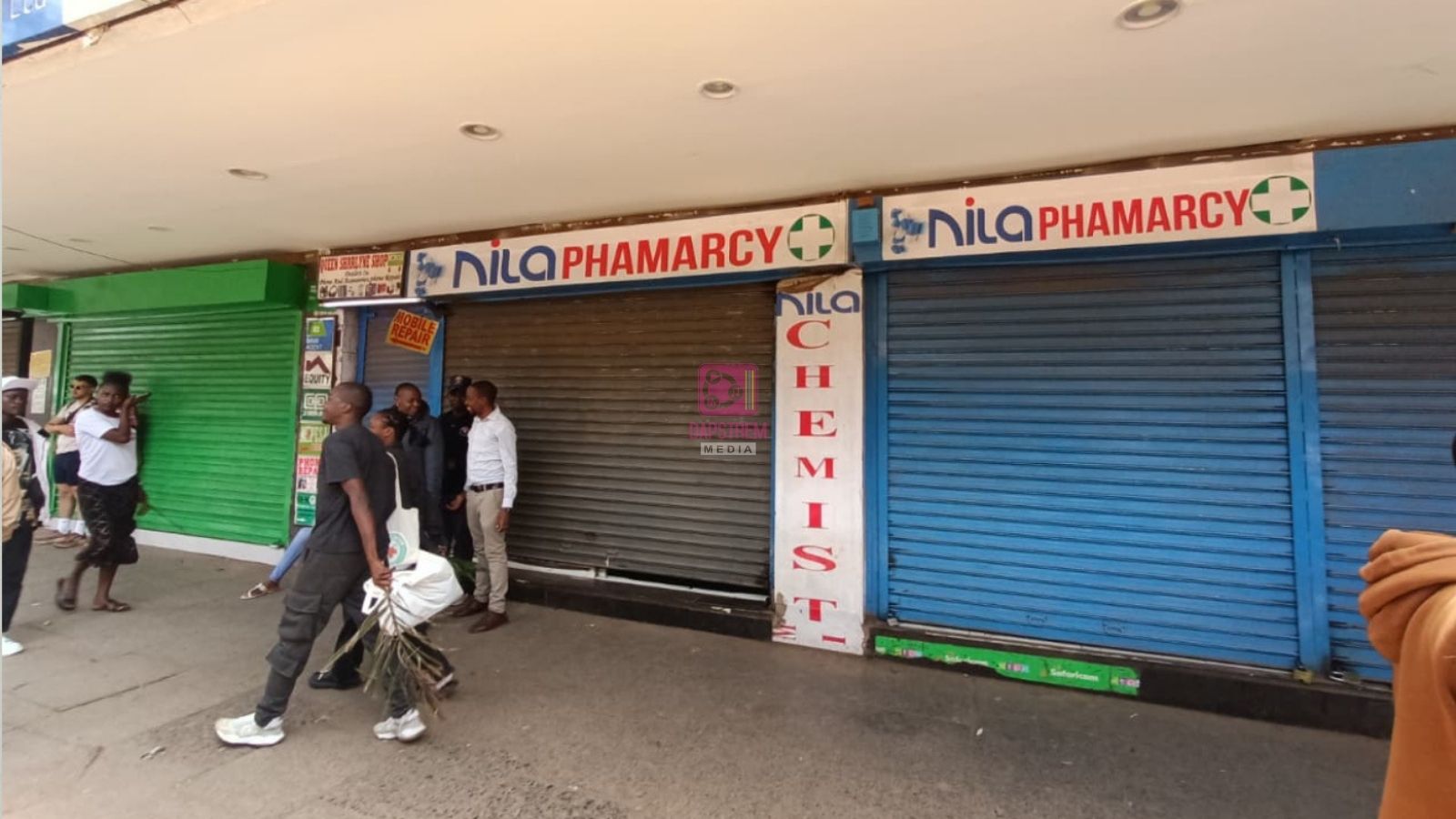
Businesses in Nairobi’s Central Business District were forced to close their doors as traders took to the streets to protest against the Kenya Revenue Authority’s customs valuation practices, bringing fresh attention to the long-running tensions between the taxman and the country’s business community.
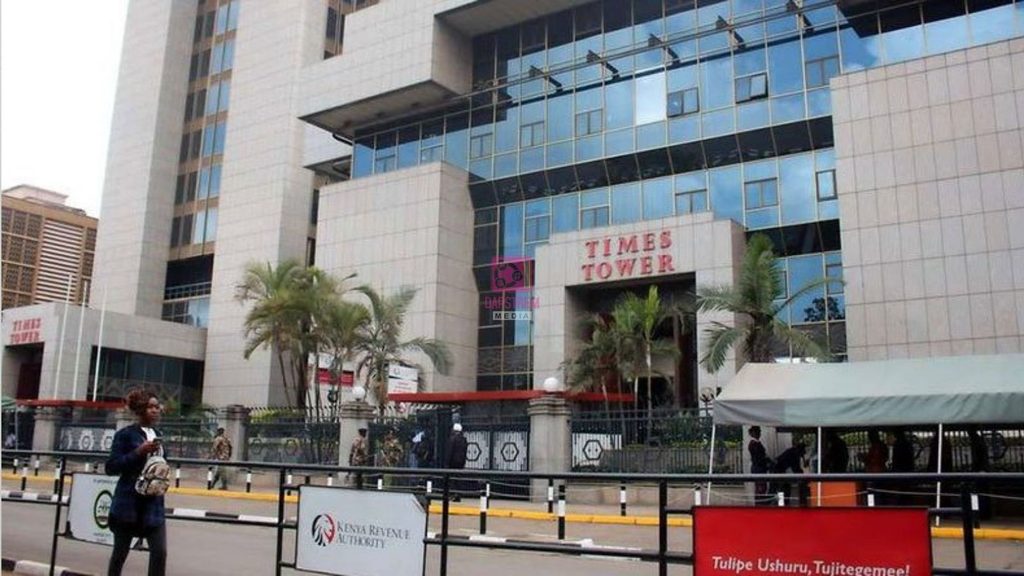
The demonstrations, centred around Times Tower, KRA’s headquarters in Nairobi, reflected growing frustration among traders who say customs valuation rules and the amounts assigned to imported goods are placing additional pressure on their businesses.
The closure of shops across parts of the CBD also highlighted the wider economic impact of disputes between traders and government agencies. For many businesses, especially those that depend heavily on imported merchandise, changes in customs valuation can directly affect the cost of bringing goods into the country and, ultimately, the prices paid by consumers.
Traders who participated in the protest wanted KRA to address their concerns over the valuation of imported goods and provide greater clarity and fairness in the process. The demonstrations disrupted normal commercial activity in the city centre, with some business owners choosing to close their premises as they joined the protest or as a precaution amid the unfolding situation.
The protest comes against the backdrop of continued efforts by KRA to improve revenue collection and strengthen controls over imported goods. Customs valuation is an important part of this process because the value assigned to imported products is used in determining the taxes and duties payable when goods enter Kenya.
For traders, however, disagreements over valuation can become a major business challenge.
When the value placed on imported goods is higher than what an importer expects, the resulting tax bill can increase. Traders argue that this can raise their costs, reduce profit margins and make it harder to compete in a market where consumers are already sensitive to prices.
The situation is particularly significant for businesses in Nairobi’s CBD, which remains one of the country’s largest commercial centres.
The closure of shops means that the dispute has moved beyond discussions between individual traders and tax officials. It has become a visible demonstration of dissatisfaction capable of affecting customers, employees, suppliers and the wider city economy.
Traders Demand Action
At the heart of the protest is the question of how imported goods are valued for customs purposes.
Customs valuation is used by authorities to establish the monetary value of goods entering a country. That value forms part of the basis for calculating applicable taxes and duties.
The system is intended to prevent under-declaration and ensure that importers pay the correct amount of tax.
However, traders can disagree with customs officials over the value assigned to their goods.
An importer may, for example, have purchased a product at a particular price, while customs authorities determine that the declared value does not adequately represent the value of the goods for taxation purposes.
Such disagreements can delay the clearance of shipments and increase the amount of money an importer has to pay before goods can enter the market.
For a small trader operating on limited capital, an unexpected increase in the tax bill can create significant financial pressure.
Traders therefore want a valuation system that they consider predictable, transparent and consistent.
They are also seeking greater engagement with KRA so that disputes can be addressed before they escalate into protests and business closures.
The demonstrations at Times Tower underline the importance of dialogue between government agencies and the private sector, particularly when policies directly affect the cost of doing business.
Why Customs Valuation Matters to Consumers
Although the dispute is primarily between KRA and traders, its effects can eventually reach ordinary consumers.
Importers typically factor customs duties, taxes, transport expenses and other costs into the final price of products.
If the cost of importing goods increases substantially, businesses may have little choice but to raise their selling prices.
That could affect a wide range of products depending on what individual traders import.
Kenya’s retail sector includes businesses dealing in clothing, electronics, household goods, spare parts, machinery, cosmetics and numerous other products sourced from international markets.
An increase in the cost of importing such goods can therefore have a ripple effect throughout the economy.
Consumers may pay more, traders may sell fewer products and businesses may reduce the amount of stock they purchase.
In a difficult economic environment, even relatively small increases in the cost of goods can affect consumer behaviour.
Shoppers may postpone purchases, switch to cheaper alternatives or look for goods in informal markets.
This is why traders argue that customs policies should take into account the broader impact on businesses and consumers.
KRA’s Revenue Collection Mandate
KRA, on the other hand, has a statutory responsibility to collect revenue on behalf of the government.
Customs taxes form an important component of national revenue, helping finance government programmes and public services.
The authority has increasingly invested in technology and enforcement measures to combat tax evasion, under-declaration and other practices that can reduce government revenue.
Customs valuation is part of that broader effort.
If importers deliberately declare goods at values below their actual worth, the government can lose substantial amounts of revenue.
Authorities therefore have an interest in ensuring that declared import values are accurate.
The challenge is finding a balance between effective revenue collection and creating an environment in which legitimate businesses can operate sustainably.
Traders do not necessarily oppose taxation itself. Their concerns often centre on how taxes are assessed, whether the process is transparent and whether they can challenge valuations they believe are inaccurate.
A system that is perceived as unpredictable can create uncertainty for businesses planning their imports and finances.
The Pressure on Nairobi’s CBD Businesses
The closure of shops during the protest demonstrates how quickly policy disputes can affect economic activity.
Nairobi’s CBD supports thousands of businesses, ranging from large retailers to small family-owned shops.
Many of these businesses depend on daily sales to meet expenses such as rent, salaries, electricity, transport and supplier payments.
A day of closure can therefore have immediate financial consequences.
For employees, prolonged disruption could also affect income and job security.
Transport operators, food vendors and other businesses that depend on CBD traffic can experience reduced activity when shops close.
Customers may also avoid the area during demonstrations, further reducing economic activity.
This means that protests over taxation can have consequences far beyond the original dispute.
At the same time, traders often argue that demonstrations are necessary when they feel their concerns have not received sufficient attention through normal engagement channels.
The challenge for authorities is to address legitimate concerns while ensuring that protests remain peaceful and commercial activity can resume as quickly as possible.
A Wider Debate About the Cost of Doing Business
The Times Tower protest has also reopened the broader conversation about the cost of doing business in Kenya.
Traders and entrepreneurs have repeatedly raised concerns about taxes, licensing requirements, regulatory compliance, operating costs and access to affordable financing.
For businesses involved in importing goods, taxation is only one part of the overall cost structure.
They must also contend with shipping charges, port and transport costs, warehouse expenses, currency fluctuations and other fees.
When several costs rise simultaneously, profit margins can become extremely thin.
Small and medium-sized enterprises are particularly vulnerable because they often lack the financial reserves of larger companies.
An established multinational may be able to absorb an unexpected cost increase more easily than a small trader who depends on a single shipment to keep a business running.
This is why predictable tax administration is important.
Businesses need to be able to estimate their costs before placing orders, importing goods and setting retail prices.
Unexpected valuation changes can make such planning difficult.
Calls for Greater Transparency
One of the key issues likely to emerge from the dispute is the need for transparency in customs valuation.
Traders need to understand how customs authorities arrive at the value assigned to their goods.
Clear criteria can reduce disagreements and make it easier for importers to challenge valuations where they believe an error has occurred.
Technology could also help.
Digital customs systems can create records of transactions, valuations and appeals, potentially making the process more transparent.
However, technology alone cannot resolve disagreements.
There must also be effective channels through which traders can raise concerns and receive timely responses.
If a shipment is held up for an extended period while a valuation dispute is being resolved, the importer can suffer additional storage and logistical costs.
A quick and accessible dispute-resolution mechanism could therefore benefit both sides.
KRA would be able to maintain revenue controls while legitimate traders would have a clearer route for challenging decisions.
The Importance of Dialogue
The events at Times Tower demonstrate the need for continued engagement between traders and KRA.
Business associations, importers, customs officials and government policymakers can play an important role in finding common ground.
Traders can present evidence of the difficulties they face, while KRA can explain the legal and technical basis for its valuation procedures.
Such discussions could help identify areas where the system needs improvement.
There may also be a need for clearer communication whenever significant changes are introduced.
Businesses can prepare more effectively when they receive adequate information about new requirements before implementation.
Sudden changes can create confusion, particularly among smaller traders who may not have dedicated tax and customs specialists.
Protecting Legitimate Trade
Kenya has a strong interest in maintaining effective customs controls.
Under-declaration of imported goods can disadvantage businesses that comply with tax laws and create unfair competition.
If one trader pays the correct amount of tax while another reduces costs through inaccurate declarations, the compliant trader may struggle to compete.
Effective customs administration can therefore support legitimate businesses by creating a more level playing field.
The issue is ensuring that enforcement measures do not unintentionally penalise legitimate importers.
Customs officers need reliable information, proper training and consistent procedures.
Importers, meanwhile, need to maintain accurate documentation and comply with established requirements.
Both sides have responsibilities in creating a functioning customs system.
What the Protest Means for the Government
For the government, the demonstrations provide another reminder of the political and economic sensitivity surrounding taxation.
Revenue collection is essential for funding government operations, but tax measures can generate public resistance when businesses and consumers feel that the burden is becoming too heavy.
The government has therefore had to balance its revenue needs with efforts to support economic activity.
The private sector remains a major source of employment and economic growth, meaning policies that make it significantly more expensive to operate can have wider consequences.
If traders reduce imports because of higher costs, government customs revenue could eventually be affected as well.
A healthy economy requires both effective taxation and a business environment in which enterprises can survive and grow.
Possible Path Forward
Resolving the customs valuation dispute will likely require sustained engagement rather than a one-day solution.
KRA could engage directly with representatives of affected traders to identify specific valuation concerns and examine disputed cases.
Traders, for their part, may need to provide documentation and evidence supporting their claims where individual valuations are contested.
Independent review mechanisms could also help where disagreements cannot be resolved between an importer and customs officials.
Clear timelines for resolving disputes would be particularly useful.
No business wants to have capital tied up in goods that cannot be released because of an unresolved customs disagreement.
A predictable appeals process could therefore reduce uncertainty and prevent future protests.
The government could also consider regular consultations with importers before implementing major customs changes.
Such consultations would allow policymakers to understand the practical consequences of proposed measures and give businesses an opportunity to prepare.
The Bigger Picture
The closure of Nairobi CBD shops and the protest at Times Tower are not simply about one customs valuation dispute.
They reflect a larger relationship between government revenue collection and the business community.
Kenya needs revenue to finance public services, infrastructure and national programmes. At the same time, the country needs thriving businesses capable of creating jobs, generating investment and supplying consumers with goods.
These two objectives should not necessarily be in conflict.
A transparent and predictable tax system can help achieve both.
When businesses understand their obligations and can plan around them, compliance becomes easier. When taxpayers believe that assessments are fair and dispute mechanisms work effectively, confrontations are less likely.
The events in Nairobi should therefore serve as an opportunity for both KRA and traders to return to the negotiating table.
The immediate priority is to restore normal business operations while addressing the concerns that prompted traders to close their shops.
But the longer-term goal should be to build a customs valuation system that protects government revenue without creating unnecessary uncertainty for legitimate businesses.
For Nairobi’s traders, the issue is ultimately about the survival and sustainability of their enterprises.
For KRA, it is about ensuring that every importer pays the correct amount of tax.
For consumers, it is about keeping the cost of goods manageable.
And for the government, it is about maintaining the delicate balance between raising revenue and supporting economic growth.
The protest at Times Tower has brought these competing interests into sharp focus.
How the government responds could determine whether the current dispute remains a temporary confrontation or becomes the beginning of a broader conversation about Kenya’s customs system and the cost of doing business.
What is clear is that the closure of shops in the heart of Nairobi has sent a strong message: traders want greater clarity, predictability and engagement over customs valuation, while the government must find a way to protect revenue without placing unsustainable pressure on legitimate businesses.
The coming days will therefore be closely watched as traders and KRA seek a solution that allows commerce to return to normal while addressing the underlying concerns that triggered the protest in the first place.