
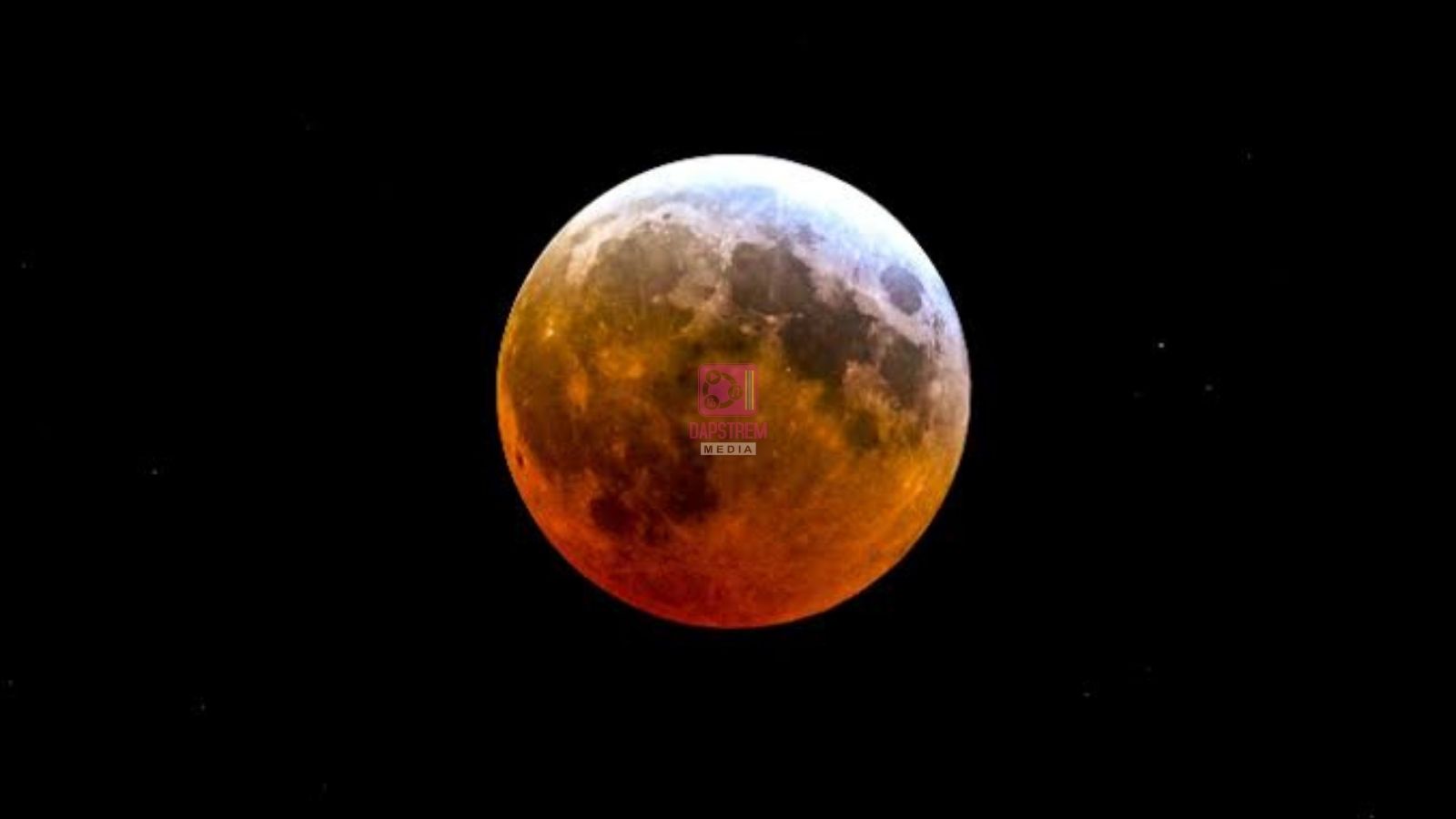
Partial Lunar Eclipse to Appear Over Kenya
Partial Lunar Eclipse watchers in Kenya were treated to a rare celestial event in the early hours of Friday, August 28, 2026.
According to astronomical calculations, the partial phase became visible from around 5:33 a.m., with the Moon positioned low toward the western horizon. In Kenya Re, the partial phase began at 5:33 a.m., reached its locally observable maximum at about 6:28 a.m., and the Moon set shortly afterward.
The event was part of a much larger eclipse that was visible across several parts of the world.
What Is a Partial Lunar Eclipse?
A lunar eclipse happens when Earth moves between the Sun and the Moon, causing Earth’s shadow to fall across the Moon.
During a partial lunar eclipse, only part of the Moon moves into the darkest section of Earth’s shadow, known as the umbra.
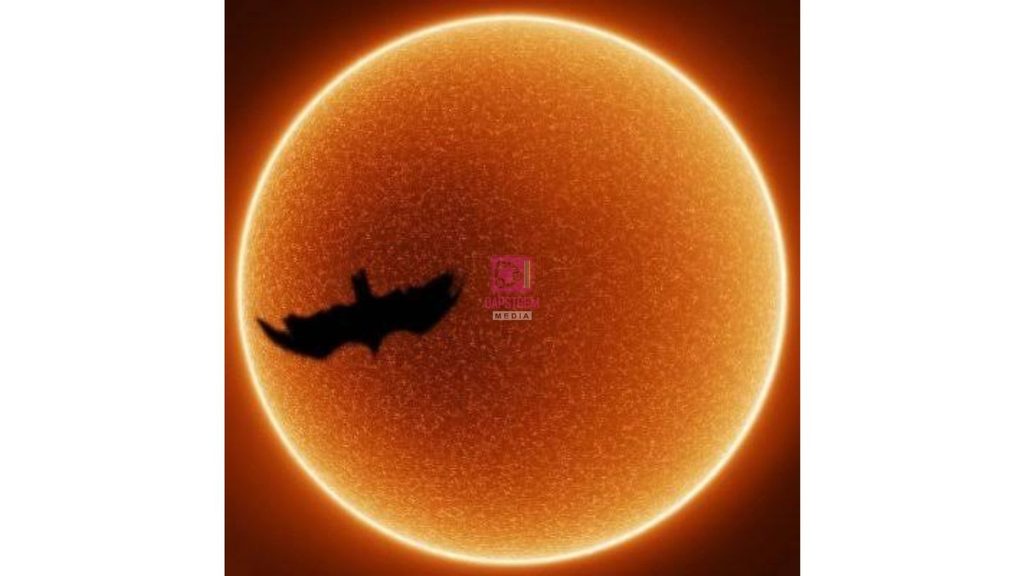
This can make a section of the Moon appear noticeably darker or reddish while the rest remains illuminated.
NASA described the August 2026 event as a deep partial lunar eclipse, with about 96.3 percent of the Moon’s disk entering Earth’s umbra at the global maximum.
Why the Kenya View Was Brief
For Kenyan observers, timing was particularly important.
The Moon was already close to setting when the partial phase began.
In Kenya Re, the Moon was about 13 degrees above the western horizon at 5:33 a.m. By the local maximum at 6:28 a.m., it was only about half a degree above the horizon. It then set at approximately 6:32 a.m.
This meant that the Kenyan view was much shorter than the full duration of the worldwide eclipse.
The low position of the Moon also meant that buildings, hills, trees or clouds could easily block the view.
A Global Celestial Event
The eclipse was not limited to East Africa.
NASA reported that the deepest stage of the eclipse occurred when 96.3 percent of the Moon’s disk was within Earth’s umbra. The most dramatic stages were visible from parts of the Americas, western Europe and western Africa.
The event was therefore another reminder of how the same astronomical phenomenon can look very different depending on where someone is located on Earth.
For some regions, the eclipse lasted for hours.
For Kenya, only part of the event was visible before the Moon disappeared below the horizon.
Why Lunar Eclipses Fascinate People
Lunar eclipses have attracted attention throughout human history.
Long before modern astronomy explained them, communities around the world developed stories and traditions to explain changes in the Moon’s appearance.
Today, science gives us a much clearer explanation.
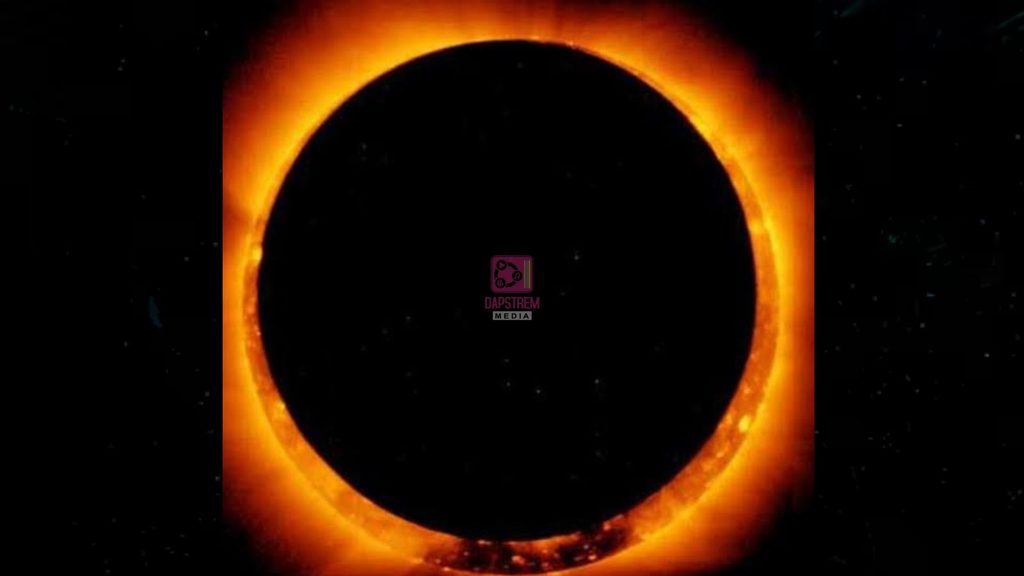
The event also provides an opportunity for people to learn about the relationship between the Earth, Moon and Sun.
For students and astronomy enthusiasts, eclipses can turn an ordinary night sky into a real-life science lesson.
Kenya’s Growing Interest in Astronomy
The visibility of astronomical events in Kenya also highlights the country’s growing interest in space science.
The Kenya Space Agency regularly shares information about celestial events and encourages public interest in astronomy.
The August eclipse was another opportunity for Kenyans to look toward the sky and appreciate an event occurring on a planetary scale.
The Partial Lunar Eclipse offered Kenyans a memorable early-morning glimpse of one of nature’s most fascinating astronomical events.
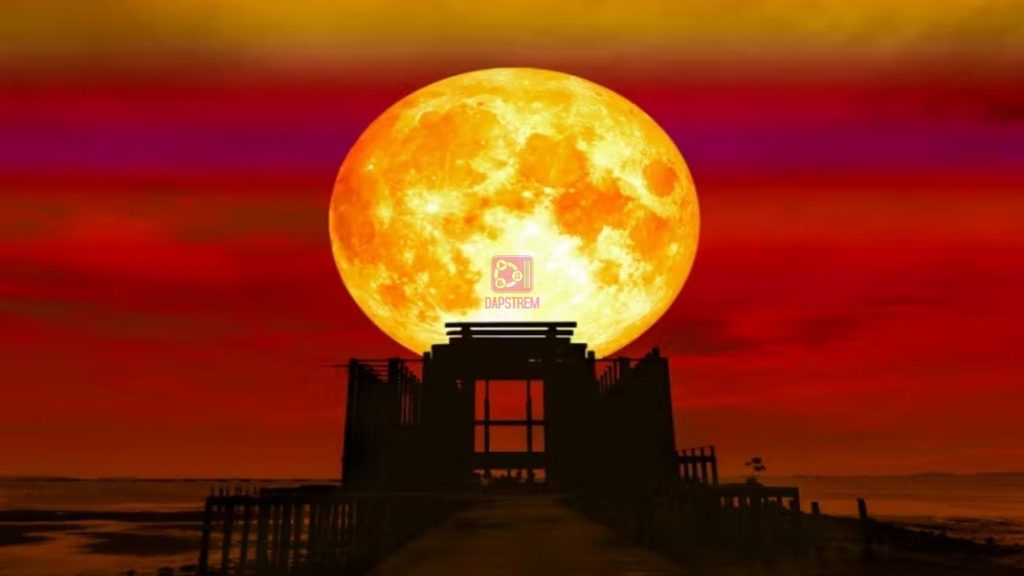
Although the Kenyan viewing window was short, the event connected local skywatchers to a much larger celestial spectacle taking place across the world.
From the Moon slowly entering Earth’s shadow to its low position over the western horizon, the eclipse provided a reminder that sometimes the most interesting show is happening above us.
And for Kenyans who caught even a few minutes of it, the early wake-up call came with a pretty spectacular reward. 🌕✨