Rigathi Gachagua Appeals High Court Ruling Upholding His Impeachment, Challenges Finality of Ouster
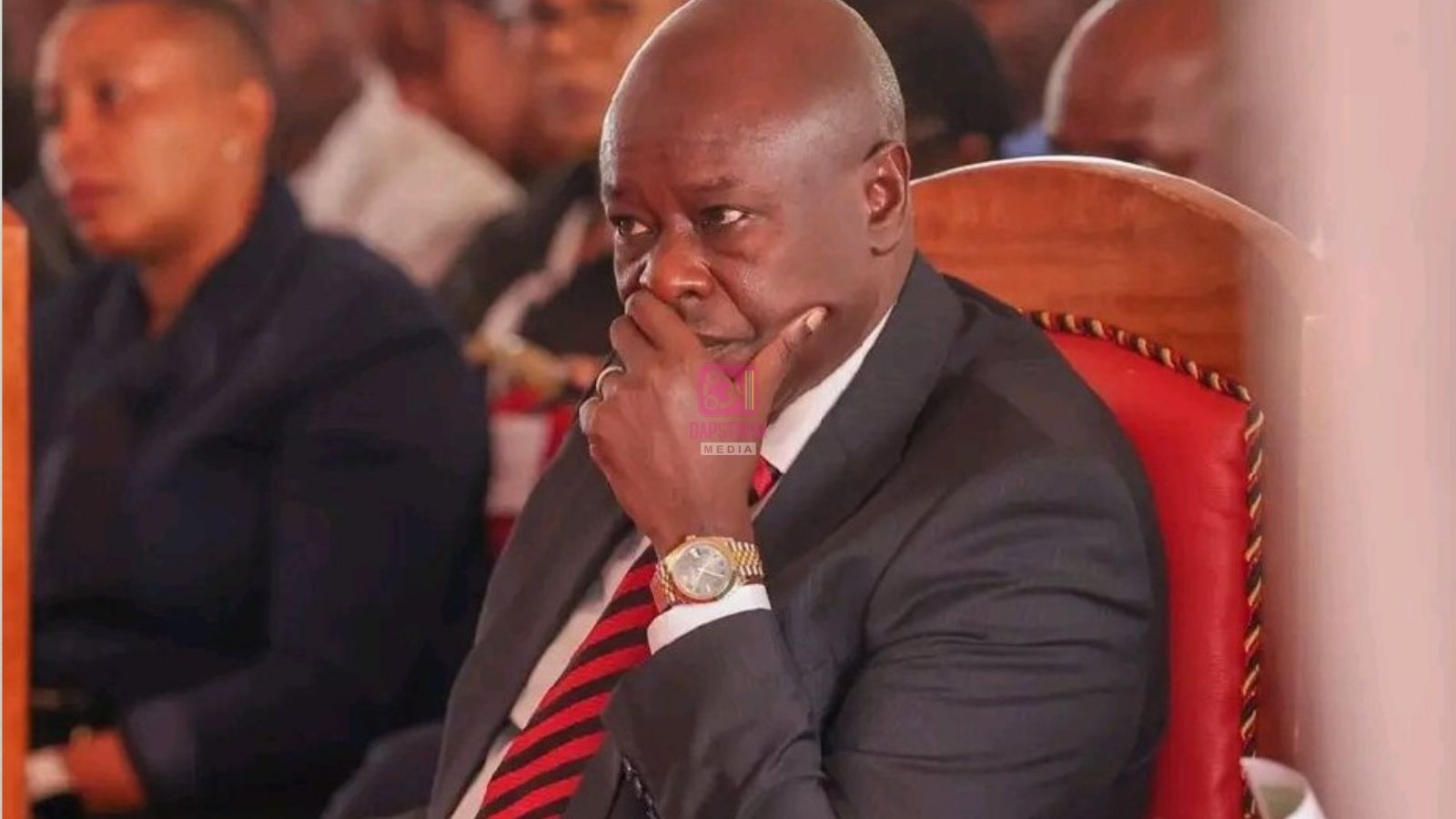
Former Deputy President Rigathi Gachagua has formally moved to challenge the High Court judgment that upheld his removal from office, opening a new chapter in the long-running legal battle surrounding his 2024 impeachment.
Gachagua has filed a notice of appeal at the Court of Appeal, seeking to overturn key aspects of the judgment delivered by a three-judge bench on June 8, 2026. His legal team is particularly challenging the court’s decision to uphold his removal despite the judges finding that his constitutional right to a fair hearing was violated during the Senate proceedings. (The Star)
The former Deputy President argues that the judges erred in treating his removal from office as irreversible even after establishing that the Senate had infringed his constitutional rights. His appeal therefore seeks to reopen one of the most consequential constitutional disputes arising from the impeachment of a Kenyan Deputy President.
The High Court judgment had produced a mixed outcome for Gachagua. On one hand, the three-judge bench upheld the legality of the impeachment and declined to overturn the Senate’s resolution removing him from office. On the other hand, the court made a significant finding in his favour by declaring that his right to a fair hearing had been violated and awarding him KSh50 million in constitutional damages. (The Standard)
It is this apparent tension between the finding of a constitutional violation and the decision to leave the impeachment intact that now forms a central part of Gachagua’s challenge.
The High Court found that Gachagua’s fair hearing rights were infringed when the Senate declined to grant an adjournment after he was unable to attend the proceedings. The court concluded that the circumstances surrounding the refusal to postpone the proceedings amounted to a violation of his constitutional protections. (The Standard)
Despite that finding, the judges declined to quash the impeachment.
The court reasoned, among other things, that overturning the removal at that stage could create constitutional uncertainty, particularly because another person had already been sworn in and was serving as Deputy President. The judges also upheld the nomination and approval of Kithure Kindiki as Deputy President, finding that the subsequent constitutional process had been followed. (The Standard)
Gachagua’s appeal challenges that approach.
His argument is essentially that once the court established that a fundamental constitutional right had been violated during the impeachment process, the consequences of that violation should have been addressed more directly. His legal team believes the High Court should not have declared the ouster irreversible while simultaneously acknowledging that the process contained a constitutional breach.
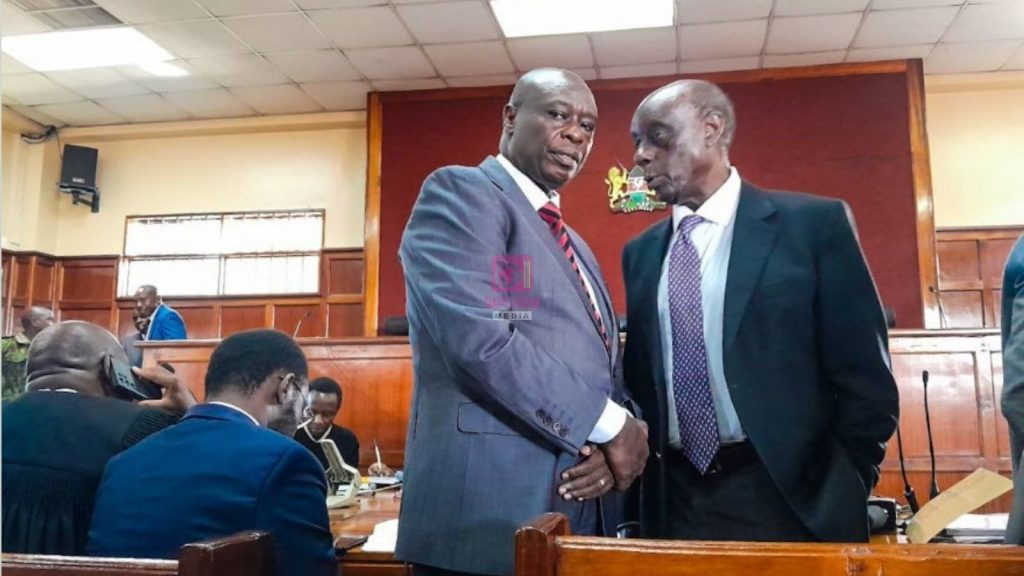
The appeal does not, however, seek to challenge every finding made by the High Court. Gachagua has indicated that he intends to preserve several portions of the judgment that were favourable to him, including the court’s findings that the impeachment proceedings were subject to judicial scrutiny and that Parliament’s conduct could be reviewed against constitutional requirements. He is also seeking to retain the KSh50 million award relating to the violation of his rights. (Dawan Africa)
This selective approach is significant because it means the former Deputy President is not simply asking the appellate court to discard the entire judgment. Instead, he is seeking to challenge the conclusions that prevented the court from giving effect to the finding that his rights were violated.
The dispute dates back to October 2024, when Parliament initiated and completed the process that resulted in Gachagua’s removal as Deputy President. The impeachment process became one of the most closely watched constitutional events in Kenya’s recent political history and generated intense debate over the powers of Parliament, the role of the Judiciary and the protections available to public officials facing impeachment.
The National Assembly first passed the impeachment motion before the matter moved to the Senate, which acted as the trial chamber. Gachagua and his legal team challenged various aspects of the process, arguing that constitutional safeguards had not been properly observed.
The subsequent court battle placed several important constitutional questions before the Judiciary. Among them was whether courts have jurisdiction to review parliamentary impeachment proceedings, whether the requirements for public participation had been met, whether the allegations met the constitutional threshold for removal, and whether Gachagua had been given a genuine opportunity to defend himself.
The High Court ultimately rejected several of Gachagua’s arguments. The judges found that the impeachment proceedings were justiciable and that the court had jurisdiction to examine whether Parliament had acted within constitutional boundaries. However, they concluded that Parliament had otherwise acted within its constitutional mandate and that the impeachment could not be overturned simply because of the fair hearing violation. (The Standard)
That combination of findings has generated significant legal and political debate.
For Gachagua and his supporters, the central question is whether constitutional rights can be violated during an impeachment process while the ultimate removal is allowed to stand. They argue that constitutional protections would be weakened if a public body could be found to have violated an individual’s right to a fair hearing but still retain the benefit of the resulting decision.
The opposing view is that impeachment is a unique constitutional process with consequences that cannot easily be reversed after the office has been filled by another person. The High Court’s reasoning placed considerable emphasis on constitutional stability and the potential complications that could arise if the court were to reinstate Gachagua after Kithure Kindiki had already assumed the office.
This issue is likely to be among the key matters the Court of Appeal will have to consider.
The appellate court will not simply revisit the political circumstances surrounding the impeachment. It will be required to examine the legal reasoning of the High Court and determine whether the judges correctly interpreted the Constitution and applied the law to the facts before them.
Gachagua’s appeal therefore has implications beyond his own political future. The eventual decision could contribute to Kenya’s emerging jurisprudence on impeachment, separation of powers, fair hearing rights and the extent to which courts can intervene in proceedings conducted by Parliament.
The case also raises broader questions about constitutional accountability.
Kenya’s 2010 Constitution established strong safeguards intended to protect individual rights while giving Parliament significant powers to hold senior state officials accountable. Impeachment is one of the most serious mechanisms available to Parliament because it can remove a senior public official from office before the end of their constitutional term.
Because of that, the procedures followed during impeachment are particularly important.
A fair hearing ensures that the person facing removal has a meaningful opportunity to respond to allegations before a decision is made. The High Court’s finding that this right was violated during Gachagua’s Senate proceedings therefore carries significance for future impeachment proceedings involving other public officials.
The KSh50 million damages award was also an important part of the judgment. The court said the award was intended to vindicate the Constitution, restore the dignity of the affected party and deter future violations. (Nairobi Law Monthly)
Gachagua’s decision to preserve that part of the ruling indicates that his legal strategy is not aimed at rejecting the court’s recognition of the violation. Instead, he wants the appellate court to reconsider what legal consequence should flow from that violation.
The case is also notable because the Senate itself has indicated that it intends to appeal the High Court’s finding that it violated Gachagua’s fair hearing rights. Senate leadership has argued that the circumstances surrounding the adjournment request were not adequately considered and has disputed the court’s conclusion on the matter. (The Standard)
This means the appellate proceedings could involve competing challenges arising from the same judgment.
Gachagua is challenging the decision to uphold his impeachment and leave his removal intact, while the Senate has signalled its intention to challenge the finding that his rights were violated. The Court of Appeal could therefore be asked to examine both sides of the constitutional dispute.
The legal battle also comes at a politically significant time for Gachagua. Since leaving the Deputy President’s office, he has remained active in Kenyan politics and has increasingly positioned himself as an important figure ahead of the 2027 General Election.
His legal challenge could therefore have both constitutional and political significance. A successful appeal could potentially alter the legal interpretation surrounding his removal, while even an unsuccessful appeal would allow him and his political allies to continue highlighting the High Court’s finding that his constitutional rights were violated.
However, the appeal should not be confused with an automatic reinstatement to office. The High Court expressly upheld his removal and recognised the constitutional complications that would arise from reversing the process after a successor had already assumed office. The Court of Appeal will have to determine whether that reasoning was legally sound.
For now, Gachagua remains a former Deputy President, while Kithure Kindiki continues to occupy the office.
The next phase of the dispute will therefore focus on legal arguments rather than political declarations. The Court of Appeal will have to consider the constitutional provisions governing impeachment, the significance of the fair hearing violation and whether the High Court was correct to treat the Senate’s decision as irreversible despite that violation.
The outcome could have far-reaching consequences for Kenya’s constitutional order.
If the appellate court agrees with Gachagua, it could establish important principles on the remedies available when constitutional rights are violated during impeachment proceedings. It could also clarify the relationship between Parliament’s constitutional authority to remove senior state officials and the Judiciary’s responsibility to protect constitutional rights.
If the court upholds the High Court’s position, the judgment could reinforce the principle that certain constitutional consequences cannot easily be reversed once an impeachment process has been completed and a successor installed, even where procedural violations are established.
Either outcome would likely become an important reference point for future constitutional litigation.
For Gachagua, however, the immediate objective is clear: to persuade the Court of Appeal that the High Court should not have upheld his removal after finding that the Senate denied him a fair hearing.
The appeal has consequently transformed what many expected to be the final chapter of the impeachment dispute into another major constitutional battle. The case now moves to the appellate stage, where questions about fairness, constitutional remedies, parliamentary authority and the finality of impeachment will once again come under judicial scrutiny.
As the legal process continues, the case is likely to remain a subject of intense public interest. It touches on some of the most important principles in Kenya’s constitutional democracy and could ultimately determine how future impeachment disputes are handled.
For now, Gachagua’s message is that the fight over the legality and consequences of his removal is not over. By appealing the High Court judgment, while retaining the findings that recognised the violation of his rights, the former Deputy President is seeking another opportunity to convince the Judiciary that the constitutional breach should have had a more significant consequence on the validity of his ouster.
The Court of Appeal will now have the opportunity to examine that argument and provide further clarity on one of the most contested constitutional questions arising from Kenya’s political history in recent years.