

Kenyan Scouts Set New Guinness World Record for the Most People to Plant Mangroves Simultaneously
Kenya has added another remarkable achievement to its growing list of global environmental milestones after Kenyan Scouts set a new Guinness World Record for the most people to plant mangroves simultaneously. The historic accomplishment is not only a proud moment for the Kenya Scouts Association but also a powerful statement about the country’s commitment to environmental conservation, climate action, and youth-led sustainability initiatives.
The record-breaking event brought together thousands of scouts, environmental conservationists, government officials, volunteers, community members, and development partners in a coordinated effort to restore Kenya’s fragile coastal ecosystems. Beyond setting a new world record, the initiative demonstrated how collective action can make a meaningful difference in addressing climate change and protecting natural resources for future generations.
The achievement has been widely celebrated across Kenya and beyond, with many describing it as a testament to the dedication, discipline, and community spirit that have long defined the scouting movement. For the young participants, the event represented far more than an attempt to secure international recognition—it became an opportunity to leave a lasting environmental legacy that will benefit generations to come.
Mangrove forests are among the world’s most valuable ecosystems. Found along tropical and subtropical coastlines, these unique forests act as natural barriers against coastal erosion, protect communities from storm surges, improve water quality, and provide breeding grounds for fish, crabs, and countless marine species. They also play a crucial role in absorbing carbon dioxide from the atmosphere, making them one of nature’s most effective tools in combating climate change.
Scientists have consistently emphasized that mangroves store significantly more carbon than many terrestrial forests, earning them recognition as important “blue carbon” ecosystems. Their ability to capture and store greenhouse gases makes them an essential component of global efforts to reduce carbon emissions and slow the effects of global warming.
Despite their immense ecological value, mangrove forests around the world continue to face serious threats from deforestation, urban expansion, pollution, illegal logging, unsustainable harvesting, and changing climate conditions. Kenya has not been immune to these challenges, with sections of its coastal mangrove forests experiencing degradation over several decades.
Recognizing these threats, the Kenyan government, environmental organizations, local communities, and conservation partners have increasingly invested in mangrove restoration projects aimed at reversing environmental damage while improving biodiversity and strengthening coastal resilience.
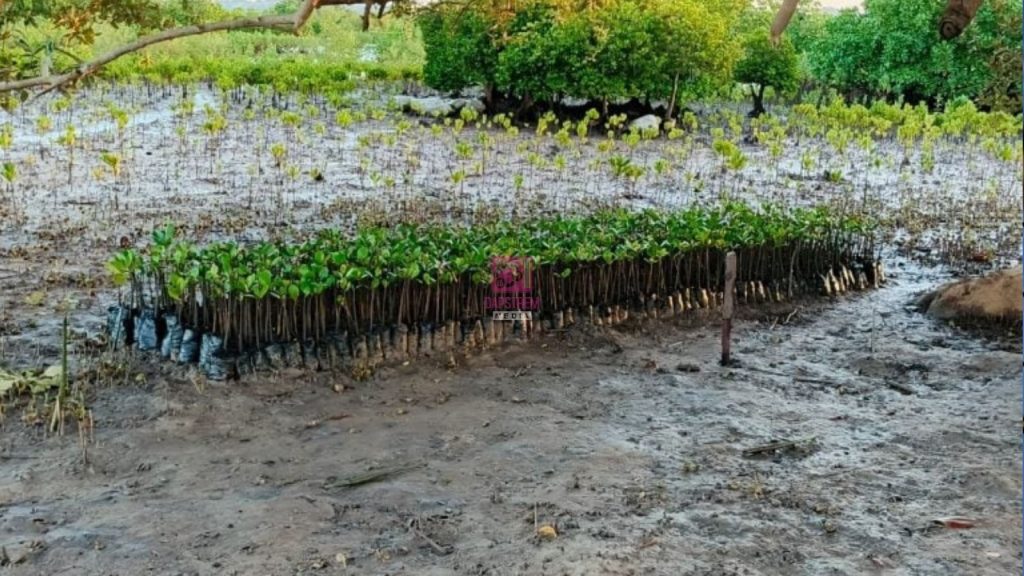
The record-breaking mangrove planting exercise by the Kenya Scouts Association represents one of the largest coordinated youth-led conservation efforts in the country’s history. By mobilizing thousands of participants to plant mangroves simultaneously, the scouts demonstrated the extraordinary impact that organized community action can have on environmental protection.
The achievement also reinforces Kenya’s growing reputation as a leader in environmental conservation. Over the years, the country has gained international recognition for initiatives promoting forest restoration, wildlife conservation, renewable energy, plastic pollution reduction, and climate resilience. Setting a Guinness World Record through environmental action further strengthens Kenya’s image as a nation committed to sustainable development.
For the Kenya Scouts Association, the accomplishment reflects decades of commitment to nurturing responsible citizenship among young people. Since its establishment, the scouting movement has emphasized values such as leadership, service, discipline, environmental stewardship, teamwork, and community responsibility. These principles were clearly evident during the successful execution of the record attempt.
Scouting has long encouraged young people to appreciate nature through outdoor education, conservation activities, and community service. Planting mangroves aligns perfectly with these values by providing scouts with practical opportunities to contribute positively to society while learning about environmental sustainability.
The event also highlighted the growing role of young people in addressing climate change. Across the world, youth have become increasingly active in advocating for stronger environmental policies, participating in conservation projects, promoting sustainable lifestyles, and raising awareness about the urgent need to protect the planet. Kenyan scouts have now demonstrated that young people can move beyond advocacy and directly participate in large-scale environmental restoration.
Environmental experts note that mangrove restoration delivers numerous long-term benefits beyond climate mitigation. Healthy mangrove forests support fisheries by providing safe breeding habitats for fish and shellfish, which in turn sustain coastal livelihoods and improve food security. Local communities that depend on fishing stand to benefit significantly as restored mangrove ecosystems mature over time.
Mangroves also contribute to tourism, one of Kenya’s key economic sectors. Visitors are increasingly attracted to destinations that combine natural beauty with conservation efforts. Restored mangrove forests create opportunities for eco-tourism activities such as birdwatching, nature walks, kayaking, environmental education, and scientific research, generating income while encouraging environmental protection.
In addition to supporting biodiversity, mangroves help shield coastal communities from natural disasters. Their extensive root systems stabilize shorelines, reduce soil erosion, and absorb the energy of waves during storms and flooding. As climate change contributes to rising sea levels and increasingly severe weather events, healthy mangrove forests provide a natural and cost-effective defense against coastal hazards.
The successful world record attempt also serves as an important educational tool. Thousands of participating scouts gained firsthand experience in environmental conservation while learning about the scientific importance of mangrove ecosystems. Such practical experiences often inspire lifelong commitments to environmental stewardship and responsible natural resource management.
Community participation played a vital role in the success of the initiative. Conservation projects are generally more sustainable when local residents are actively involved in planning, implementation, and long-term monitoring. By working together, scouts, local communities, environmental organizations, and government agencies demonstrated the power of collaborative action in achieving ambitious conservation goals.
The Guinness World Record recognition adds international significance to the initiative. Guinness World Records celebrates extraordinary human achievements across a wide range of fields, and environmental accomplishments increasingly feature among record-breaking efforts worldwide. Kenya’s latest achievement shows that global recognition can be earned not only through sports or entertainment but also through meaningful contributions to environmental protection.
Government officials have repeatedly emphasized the importance of increasing national tree cover and restoring degraded ecosystems as part of Kenya’s broader environmental agenda. Initiatives such as the scouts’ mangrove planting campaign complement national efforts aimed at increasing forest cover, reducing carbon emissions, protecting biodiversity, and enhancing resilience against climate change.
Conservationists believe the record-breaking exercise could inspire similar environmental initiatives across schools, universities, youth organizations, community groups, and private institutions. Large-scale tree planting campaigns not only improve ecosystems but also strengthen public awareness regarding environmental responsibility and collective action.
The achievement also demonstrates that environmental conservation is not solely the responsibility of governments or international organizations. Every individual, community, school, business, and civil society organization has a role to play in protecting natural resources. The scouts’ success illustrates how ordinary citizens can achieve extraordinary results when united by a common purpose.
As the newly planted mangroves take root and mature over the coming years, they will continue delivering ecological, economic, and social benefits long after the world record has been celebrated. Future generations may benefit from healthier coastlines, stronger fisheries, richer biodiversity, improved climate resilience, and cleaner environments because of the actions taken during this historic event.
For the thousands of scouts who participated, the experience is likely to remain one of the defining moments of their lives. Beyond receiving international recognition, they have contributed directly to preserving Kenya’s natural heritage while demonstrating the positive impact young people can have when empowered to serve their communities.
Ultimately, the Kenya Scouts Association’s successful Guinness World Record for the most people planting mangroves simultaneously represents far more than a remarkable statistic. It is a symbol of national pride, environmental responsibility, and the immense potential of youth-led action in addressing some of the world’s greatest challenges.
As Kenya continues pursuing sustainable development and climate resilience, this historic achievement stands as a powerful reminder that meaningful change begins with collective commitment. The scouts have not only planted thousands of mangroves—they have planted hope for healthier ecosystems, stronger communities, and a greener future for Kenya and the world.