
NTSA Cracks Down on Public Transport Sector with New Licensing and Route Restrictions
Kenya’s public transport sector is set for a major shake-up following a far-reaching directive by the National Transport and Safety Authority (NTSA) aimed at restoring order, improving road safety, and addressing growing concerns over non-compliance within the industry.
In a move that is expected to have significant implications for matatu operators, investors, commuters, and county governments, NTSA has suspended the licensing of new matatu Savings and Credit Cooperative Organizations (Saccos) and Public Service Vehicle (PSV) companies for a period of two years. The suspension took effect immediately and forms part of a broader strategy to streamline operations within the country’s public transport sector.
The authority has also announced a one-year suspension on the introduction of new transport routes and the extension of existing routes, except in situations where a newly constructed road is officially commissioned during the suspension period. The decision marks one of the most comprehensive regulatory interventions in Kenya’s transport sector in recent years.
According to NTSA, the measures have been prompted by increasing safety concerns, persistent cases of non-compliance among operators, and the rapid emergence of illegal transport operators who continue to undermine efforts to create an organized and accountable public transport system.
The public transport sector remains a critical pillar of Kenya’s economy. Every day, millions of Kenyans rely on matatus and other public service vehicles to travel to work, school, business centers, hospitals, and other destinations. However, despite its importance, the sector has for years faced numerous challenges ranging from reckless driving and overcrowding to route disputes and regulatory violations.
NTSA officials argue that the growing number of operators entering the market has made regulation increasingly difficult. In some cases, newly registered Saccos and PSV companies have struggled to meet the required operational and safety standards, creating gaps in enforcement and accountability.
The authority believes that pausing the issuance of new licenses will provide an opportunity to conduct a comprehensive review of the sector and strengthen compliance mechanisms among existing operators. By freezing the entry of new players, regulators hope to focus resources on improving oversight and ensuring that licensed operators adhere to established rules and regulations.
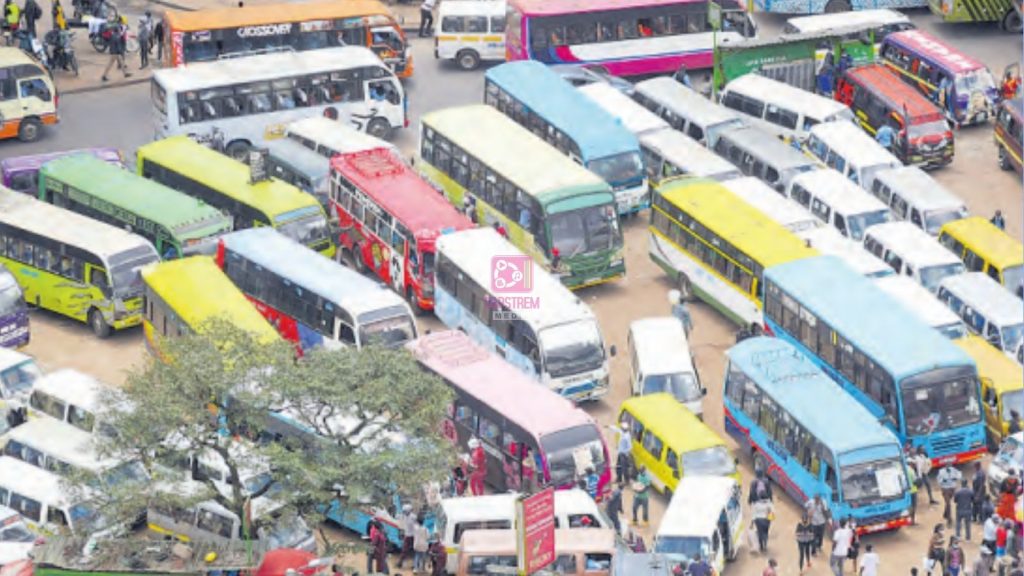
One of the biggest concerns cited by NTSA is the increasing number of illegal operators who continue to transport passengers without meeting legal requirements. Such operators often evade inspections, fail to maintain their vehicles properly, and operate outside approved transport structures. This not only creates unfair competition for compliant operators but also exposes passengers to significant safety risks.
Road safety remains a major issue in Kenya. Public service vehicles have frequently been involved in road accidents, some of which have resulted in multiple fatalities and serious injuries. Investigations into many of these incidents have often revealed violations such as speeding, overloading, poor vehicle maintenance, and failure to observe traffic regulations.
Transport experts argue that effective regulation is essential in reducing accidents and improving service delivery. They believe that limiting expansion while strengthening enforcement could help authorities identify and address weaknesses within the existing transport framework.
The suspension of new routes and route extensions is also expected to have a significant impact on the sector. Over the years, competition for profitable routes has contributed to conflicts among operators, congestion in urban centers, and operational inefficiencies. In some areas, multiple operators serve the same routes while other regions remain underserved.
NTSA’s decision suggests that authorities are seeking to first assess the current route network before approving further expansion. The move may allow regulators to better understand passenger demand, traffic patterns, and service gaps across the country.
However, the decision is likely to generate mixed reactions from stakeholders. Existing operators may welcome the move, arguing that it will help eliminate unfair competition and improve order within the sector. Many compliant Saccos have long complained about unregulated operators who enter routes without authorization and fail to follow industry standards.
On the other hand, entrepreneurs and investors seeking to establish new PSV companies may view the suspension as a setback. The transport sector has traditionally attracted investment due to the high demand for mobility services across Kenya’s rapidly growing urban and rural populations.
Commuters may also experience both positive and negative effects from the directive. If the measures succeed in improving safety, compliance, and service quality, passengers could benefit from a more reliable and organized transport system. However, in areas where transport demand continues to grow, restrictions on new routes could raise concerns about service availability and capacity.
The decision comes at a time when Kenya’s transport sector is undergoing significant transformation. The government has been pursuing reforms aimed at modernizing public transport, improving road infrastructure, and promoting safer mobility systems. Authorities have repeatedly emphasized the need for operators to embrace professionalism, accountability, and adherence to traffic regulations.
Industry observers note that the next two years will be crucial in determining whether the regulatory intervention achieves its intended objectives. Success will largely depend on NTSA’s ability to strengthen inspections, enforce compliance standards, and take decisive action against illegal operators.
Many stakeholders are now calling for collaboration between regulators, transport operators, county governments, law enforcement agencies, and commuters to address the challenges facing the sector. Experts argue that sustainable reform requires not only stricter regulations but also continuous engagement with all players involved in public transportation.
The suspension also sends a strong message that regulatory authorities are prepared to take firm action in response to persistent safety concerns. By prioritizing compliance and accountability, NTSA hopes to create a safer and more efficient public transport environment that serves the interests of both operators and passengers.
As the implementation of the new directives begins, attention will focus on how existing Saccos and PSV companies respond to increased scrutiny and whether the measures will lead to meaningful improvements in safety and service delivery. For millions of Kenyans who depend on public transport every day, the outcome of these reforms could significantly shape the future of mobility across the country.
While opinions may differ on the impact of the restrictions, one thing remains clear: NTSA is seeking to reset the public transport sector by emphasizing safety, order, and compliance. Whether the move ultimately succeeds will depend on effective enforcement, stakeholder cooperation, and the willingness of operators to embrace higher standards of operation.