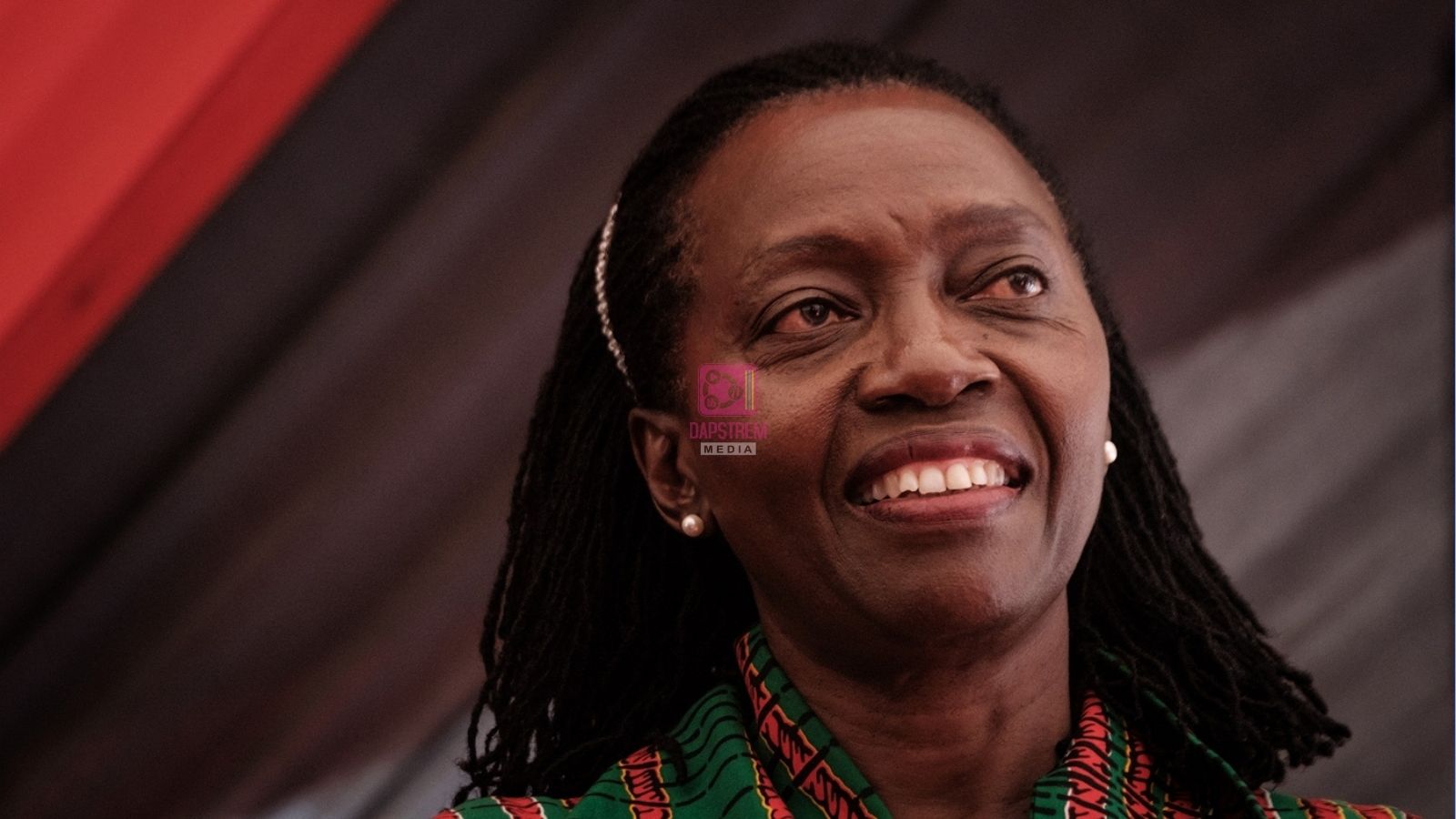
Martha Karua Denied Entry into Uganda at Entebbe Airport Amid Political Tensions Over Kizza Besigye Treason Case
Kenya’s former Justice Minister and veteran opposition politician Martha Karua was on Tuesday reportedly denied entry into Uganda after arriving at Entebbe International Airport, where she had traveled to observe and show support in the ongoing treason case involving opposition leader Kizza Besigye.
The incident has quickly drawn attention across East Africa, reigniting debates about political freedoms, regional diplomatic relations, and the treatment of opposition figures and their allies within the region. Karua, who is widely known for her long-standing advocacy for constitutionalism and human rights, was said to be part of a group of legal and political observers following proceedings in the high-profile case against Besigye.
According to reports from individuals familiar with the incident, Karua was stopped by immigration officials upon arrival and informed that she would not be allowed entry into the country. The reasons for the denial were not immediately made public, and Ugandan authorities had not issued an official detailed statement explaining the decision at the time of reporting.
The move has raised concerns among legal observers and human rights advocates, who view the development as part of a broader pattern of restrictions affecting political participation and cross-border civic engagement in politically sensitive cases. Kizza Besigye, a long-time critic of the Ugandan government, is currently facing treason-related charges that have attracted both domestic and international attention.
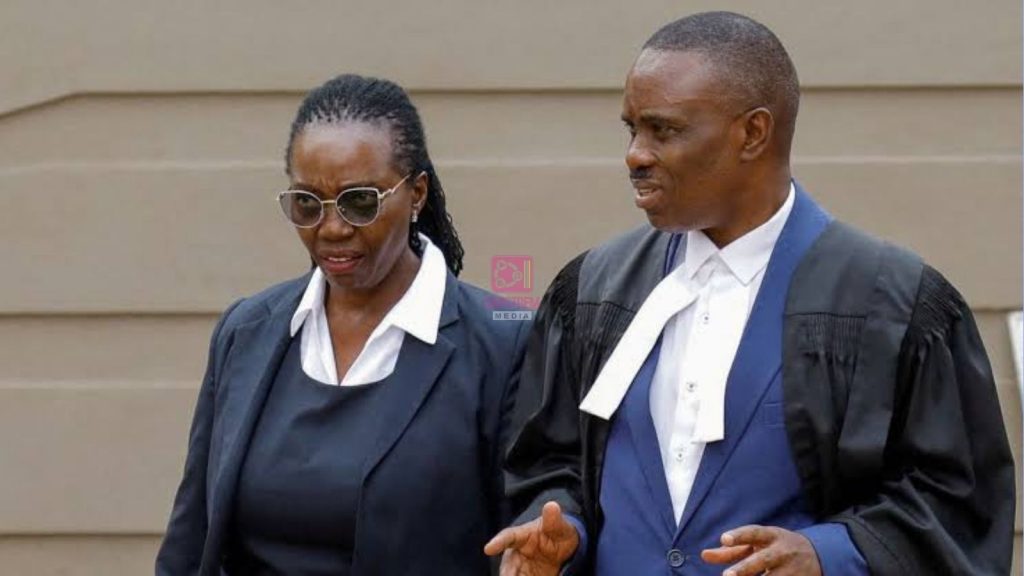
Karua’s intended visit was reportedly aimed at observing court proceedings and standing in solidarity with Besigye’s legal team. As a prominent Kenyan lawyer and political figure, she has in the past participated in legal and diplomatic advocacy efforts across the region, often focusing on governance, electoral justice, and human rights.
The denial of entry at Entebbe Airport has therefore sparked questions about the balance between national sovereignty and regional democratic engagement. While countries have the legal authority to control entry into their territory, critics argue that such decisions, when applied to political observers and legal professionals, risk undermining transparency in judicial processes and fueling perceptions of political interference.
In Kenya, the news triggered swift reactions from political commentators and civil society groups, many of whom expressed concern over what they described as the shrinking space for cross-border democratic solidarity in East Africa. Karua, who has previously served as Kenya’s Minister for Justice and Constitutional Affairs, remains an influential voice in regional governance discussions and opposition politics.
Ugandan authorities have in the past taken strict measures regarding foreign political involvement in domestic cases, especially those considered sensitive or involving national security concerns. However, such actions often attract scrutiny from international observers, particularly when they involve well-known political figures or legal representatives.
Kizza Besigye’s treason case itself is among the most closely watched political legal battles in Uganda. Besigye, who has repeatedly challenged President Yoweri Museveni in presidential elections, has long been a central figure in Uganda’s opposition politics. His legal struggles have often been accompanied by allegations of political persecution, claims that government officials have consistently rejected.
The presence of international observers in such cases is typically viewed as a way of promoting transparency and ensuring that judicial processes meet international standards. Karua’s attempted entry was therefore seen by her supporters as part of a broader effort to ensure accountability and fairness in politically sensitive trials.
The incident at Entebbe has also highlighted the delicate nature of diplomatic relations within the East African region. Kenya and Uganda maintain strong economic and political ties, including cooperation within the East African Community (EAC). However, moments of political tension occasionally emerge, particularly when issues of governance and human rights are involved.
Analysts suggest that the decision to deny entry may reflect heightened sensitivities around the Besigye case, which continues to draw attention from both domestic opposition supporters and international human rights organizations. The Ugandan government, however, maintains that all legal processes are conducted in accordance with national law and judicial independence.
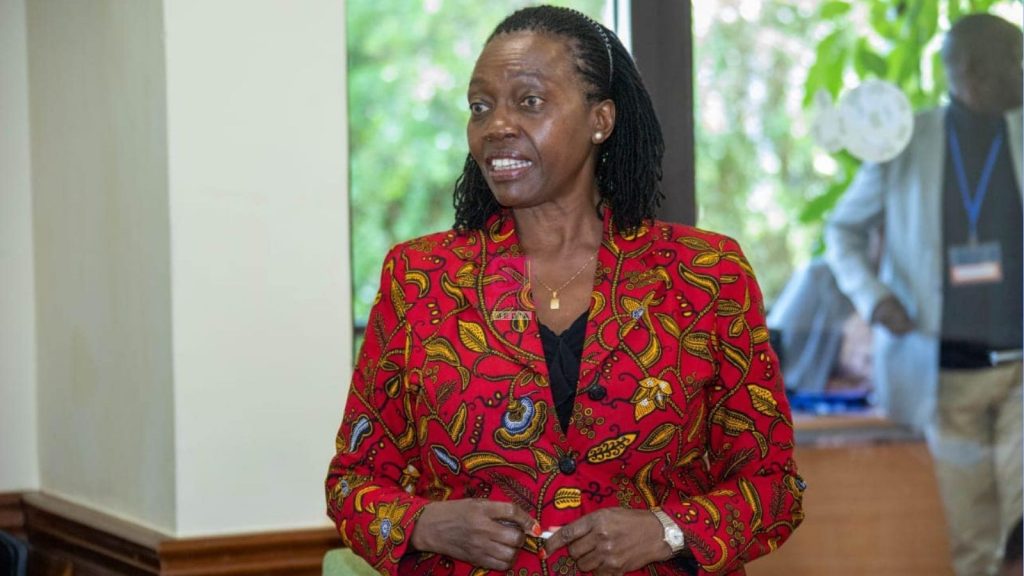
For Martha Karua, the incident adds to her long history of involvement in political and legal advocacy beyond Kenya’s borders. Known for her firm stance on constitutional governance and electoral integrity, she has often positioned herself as a defender of democratic principles in the region.
As reactions continue to emerge, calls have been made for clarity from Ugandan authorities regarding the exact reasons behind the denial of entry. Human rights groups are also urging transparency and respect for freedom of movement, especially for legal professionals and political observers engaged in non-violent civic activities.
The development is likely to remain a subject of regional debate in the coming days, particularly as the Besigye treason case progresses. It also underscores the broader challenges facing political opposition figures and their allies in East Africa, where questions of governance, dissent, and state authority often intersect in complex and sensitive ways.
While the full implications of the incident are yet to unfold, it has already placed renewed focus on the balance between national security concerns and democratic openness in the region. For now, Martha Karua’s denied entry stands as a significant diplomatic and political flashpoint, reflecting the continuing tensions surrounding opposition politics in Uganda and beyond.