
United States Tightens Immigration Rules, Ends Visitor Visas for Birth Tourism Amid Citizenship Debate
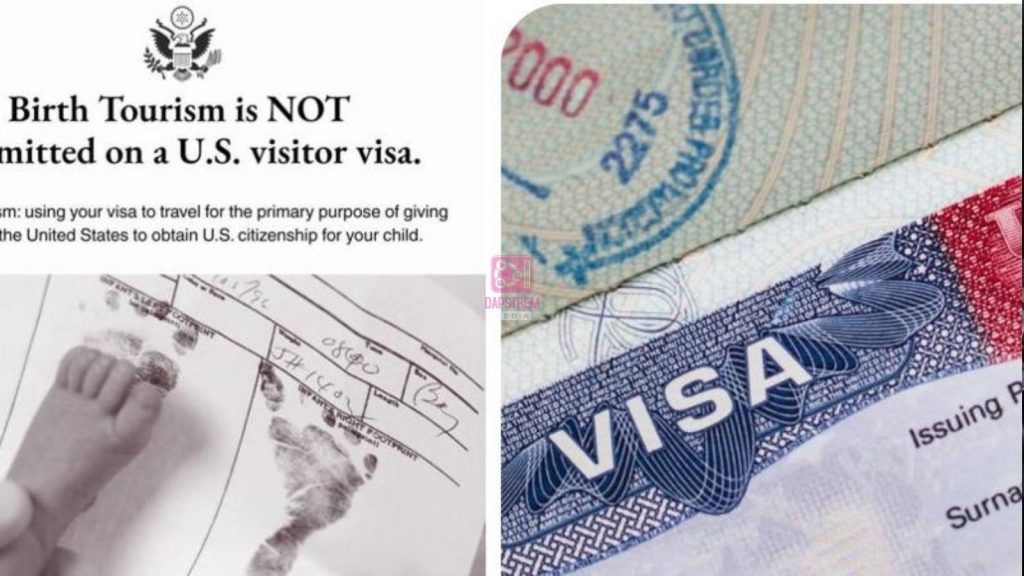
The United States government has moved to significantly tighten its immigration stance by ending visitor visa eligibility for foreign nationals whose primary purpose of travel is to give birth in the country and secure citizenship for their children. The policy shift, which has been widely reported and debated, targets a practice commonly referred to as “birth tourism,” where expectant mothers travel to the United States shortly before delivery so their children can automatically acquire citizenship under the country’s constitutional framework.
At the center of this policy debate is the long-standing principle of birthright citizenship in the United States. Under the interpretation of the 14th Amendment, nearly all individuals born on U.S. soil automatically become citizens, regardless of the immigration status of their parents. This rule has historically been seen as a defining feature of American constitutional identity, symbolizing inclusivity and equal protection under the law. However, in recent years, it has also become a focal point of political and legal controversy, with critics arguing that it is being exploited in ways the original framers did not anticipate.
The new visa restrictions aim to address what U.S. authorities describe as a misuse of the B1/B2 visitor visa category, which is intended for tourism, short-term business travel, or family visits. According to the policy direction issued through the immigration and consular system overseen by the United States Department of State, consular officers are now expected to apply stricter scrutiny when assessing visa applications. If an applicant is suspected of traveling primarily for childbirth purposes, their visa may be denied on the grounds that the stated intent of travel does not align with permissible visitor activities.
Supporters of the policy argue that it is a necessary step to preserve the integrity of the immigration system. Over the years, reports have highlighted the existence of organized “maternity tourism” networks that offer package deals to foreign clients. These packages often include visa assistance, hospital arrangements, accommodation in the United States, and administrative support to ensure that newborns receive U.S. citizenship documentation. Authorities and critics of the practice argue that such arrangements effectively commercialize citizenship and place unnecessary strain on healthcare services in certain regions.
In addition, policymakers who support the crackdown argue that visitor visas were never designed to facilitate long-term planning for childbirth or medical residency. They emphasize that the purpose of the visa system is to regulate temporary entry for clearly defined short-term activities. From this perspective, entering the country with the premeditated intention of giving birth and securing citizenship is viewed as a circumvention of immigration rules rather than legitimate travel.
However, the policy has also generated strong criticism from immigration advocates, legal scholars, and human rights organizations. Many argue that the move risks being applied too broadly and could unfairly target pregnant women who have multiple legitimate reasons for traveling, such as visiting family or seeking specialized medical care unavailable in their home countries. They caution that determining an applicant’s “intent” is inherently subjective and may lead to inconsistent visa decisions.
Some critics also point out that the United States already has a clear legal framework for citizenship at birth, and that the existence of birthright citizenship itself is not in question. Instead, they argue that the policy attempts to indirectly restrict access to a constitutional right by controlling entry into the country more aggressively. This, they warn, could lead to legal challenges in U.S. courts, particularly if applicants believe they have been unfairly denied visas based on assumptions about their intentions.
Despite these concerns, the U.S. government maintains that the policy is focused solely on visa eligibility, not on altering citizenship law. Officials emphasize that children born in the United States will continue to receive citizenship automatically under existing constitutional interpretation. The change, therefore, is aimed at regulating who is allowed to enter the country under visitor status, not at changing the rights of those already born on U.S. soil.
The economic and social dimensions of birth tourism also play a role in the debate. In some cases, maternity tourism has been linked to high-end medical facilities and private hospitals that cater to international clients. While this generates revenue for certain healthcare providers, critics argue that it can also create disparities in access, particularly in cities where hospital resources are already stretched. Local communities in popular destinations for birth tourism have, at times, expressed concern about increased costs and pressure on public services.
On the international stage, the policy shift may also influence diplomatic and travel relations between the United States and countries whose citizens frequently engage in medical travel abroad. Governments in affected regions may issue advisories or reassess how they inform citizens about travel rules to avoid misunderstandings during visa applications. The role of the United States as both a global medical destination and a strict immigration enforcer adds complexity to how the policy is perceived abroad.
As implementation begins, consular officers are expected to rely heavily on documentation, interview responses, and travel histories when evaluating applications. However, immigration experts warn that this increased scrutiny could lead to longer processing times and higher rejection rates, even for applicants who are not intentionally engaging in birth tourism. This raises concerns about potential collateral impacts on legitimate travelers.
Ultimately, the policy reflects a broader shift in how the United States is approaching immigration enforcement, particularly in areas where legal gray zones have been identified. It highlights ongoing tensions between constitutional rights, immigration control, and global mobility in an era where international travel is increasingly accessible and strategically used for a variety of personal and economic reasons.
Whether the policy will achieve its intended goals remains uncertain. While it may reduce instances of organized birth tourism, it could also trigger legal challenges and diplomatic debates over fairness and interpretation. What is clear, however, is that the issue sits at the intersection of law, politics, and human behavior, making it one of the more complex immigration debates in recent years.