DR Congo Appeals to FIFA Over World Cup Ticket Refunds for Fans Barred from U.S. Amid Ebola-Related Entry Restrictions
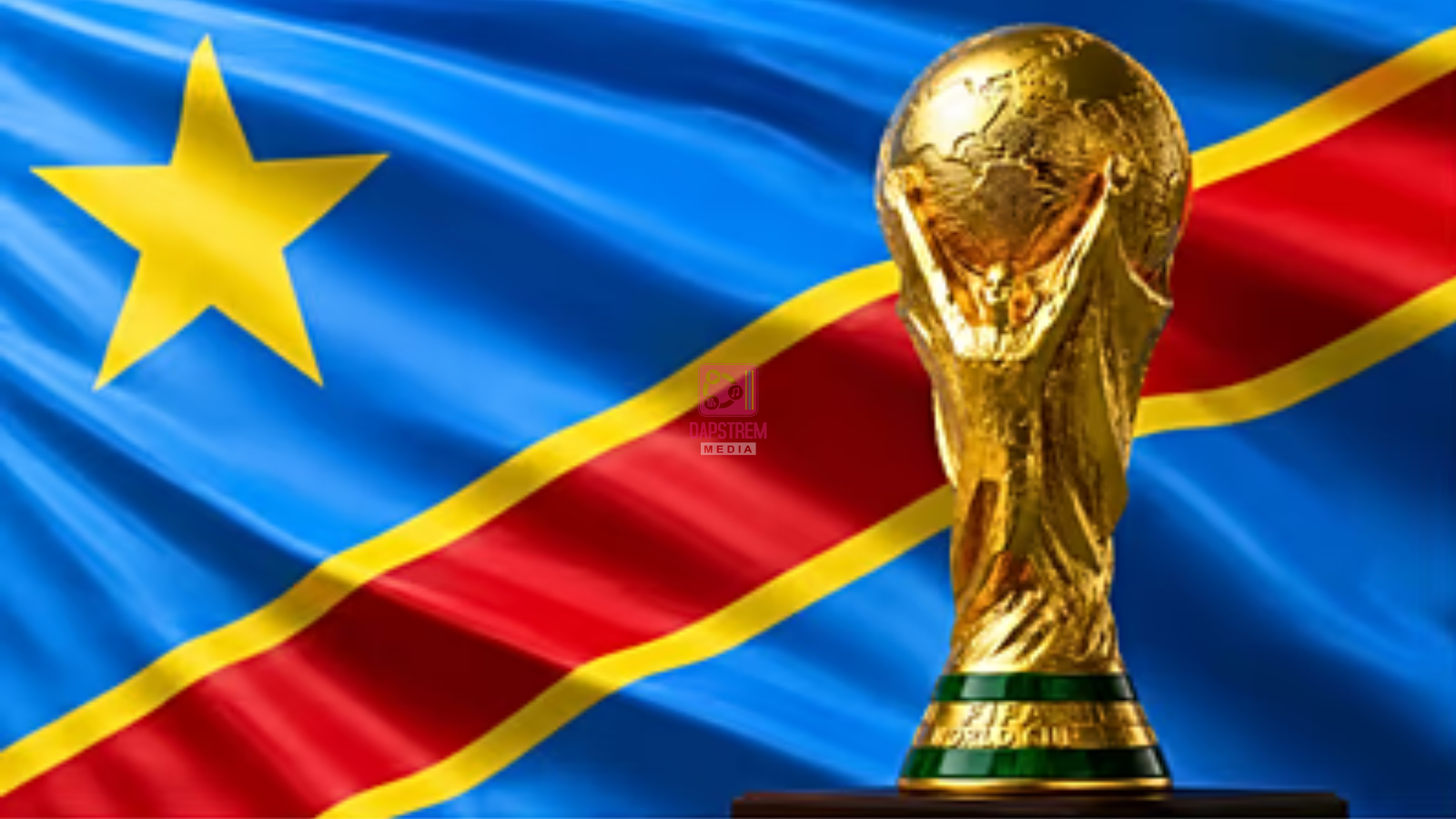
The government of the Democratic Republic of Congo (DR Congo) has formally raised concerns with the Fédération Internationale de Football Association (FIFA), seeking compensation or refunds for supporters who purchased World Cup tickets but are now unable to enter the United States due to strict travel restrictions linked to Ebola-related public health measures.
The appeal comes at a time of heightened global concern over Ebola virus disease in parts of Central and East Africa, where health authorities continue to monitor outbreaks and enforce containment protocols. According to officials in Kinshasa, a number of Congolese fans who had secured tickets for upcoming World Cup fixtures are now facing travel bans or visa denials that prevent them from attending matches scheduled in the United States.
The restrictions are understood to be part of broader entry controls introduced by U.S. authorities aimed at reducing potential public health risks associated with the movement of individuals from Ebola-affected or high-risk regions. While these measures are primarily designed to safeguard public health, they have also had unintended consequences for sports fans, particularly those who had already made financial commitments to attend international tournaments.
DR Congo officials argue that the situation has created financial hardship for supporters, many of whom invested significant savings into securing match tickets, travel arrangements, and accommodation. The government is now calling on FIFA to intervene and establish a clear refund mechanism for affected fans, emphasizing that they should not bear the financial burden of restrictions beyond their control.
In its communication to FIFA, Kinshasa has reportedly emphasized the importance of fairness and inclusivity in global sporting events, noting that international tournaments are meant to bring nations together rather than exclude fans due to external crises. Officials are also urging organizers to consider flexible ticketing policies that account for extraordinary circumstances such as pandemics or emergency health restrictions.
The situation highlights the complex intersection between global sports, public health policy, and international travel regulations. While FIFA oversees the organization of the World Cup and ticket distribution systems, entry requirements and visa approvals remain under the jurisdiction of host nations. This dual structure often creates challenges when external crises affect mobility after tickets have already been sold.
Health-related travel restrictions have become more common in recent years, particularly following global outbreaks of infectious diseases. Governments often implement precautionary measures to limit the spread of viruses, especially in cases where diseases like Ebola virus disease pose significant risks due to their high fatality rates and modes of transmission.
Public health experts note that Ebola is transmitted through direct contact with infected bodily fluids and requires strict isolation protocols to prevent spread. As a result, countries may impose entry restrictions or enhanced screening procedures for travelers from affected regions, particularly during active outbreaks.
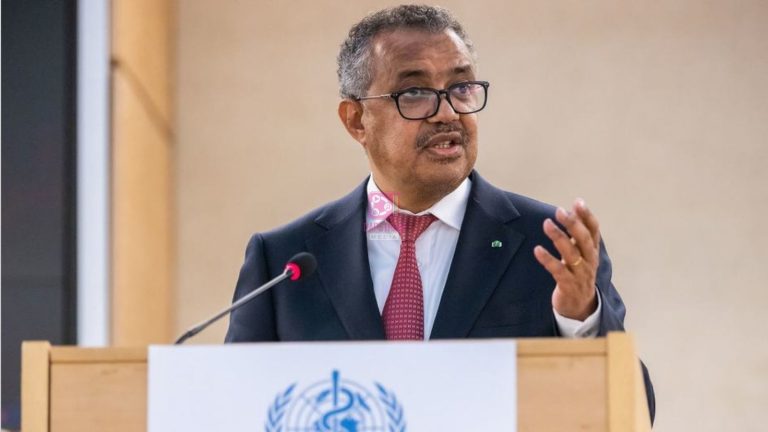
The World Health Organization (World Health Organization) continues to coordinate international responses to Ebola outbreaks, working with affected countries to strengthen surveillance, improve treatment capacity, and support vaccination campaigns where applicable. These efforts are intended to reduce transmission risk while minimizing disruptions to international travel and economic activity.
For football fans in DR Congo, however, the situation has turned what was meant to be a moment of global sporting celebration into financial and emotional disappointment. Many supporters had already begun planning long-distance travel to attend World Cup matches, only to discover that their ability to enter the United States has been restricted under current health protocols.
The Congolese government’s request to FIFA places the governing body in a difficult position, as it must balance its responsibility to fans with the legal and logistical limitations imposed by host countries. While FIFA can consider compensation frameworks or ticket protection policies, it does not control national immigration systems or health-based entry restrictions.
Sports analysts suggest that the case could set a precedent for how international sports organizations handle ticket refunds during global crises. In previous events, such as during pandemic-related disruptions, organizers were forced to introduce refund schemes, ticket rollovers, and flexible rescheduling policies to accommodate affected fans.
As discussions continue, there has been no formal response yet from FIFA regarding the refund request. Meanwhile, DR Congo officials maintain that they will continue advocating for affected supporters, insisting that global sporting institutions must evolve to protect fans from losses caused by unforeseen international emergencies.
The situation underscores the broader challenges facing global events in an era where health security, international travel, and mass gatherings are increasingly interconnected. For now, thousands of football fans remain caught between public health restrictions and their hopes of participating in one of the world’s biggest sporting spectacles.