
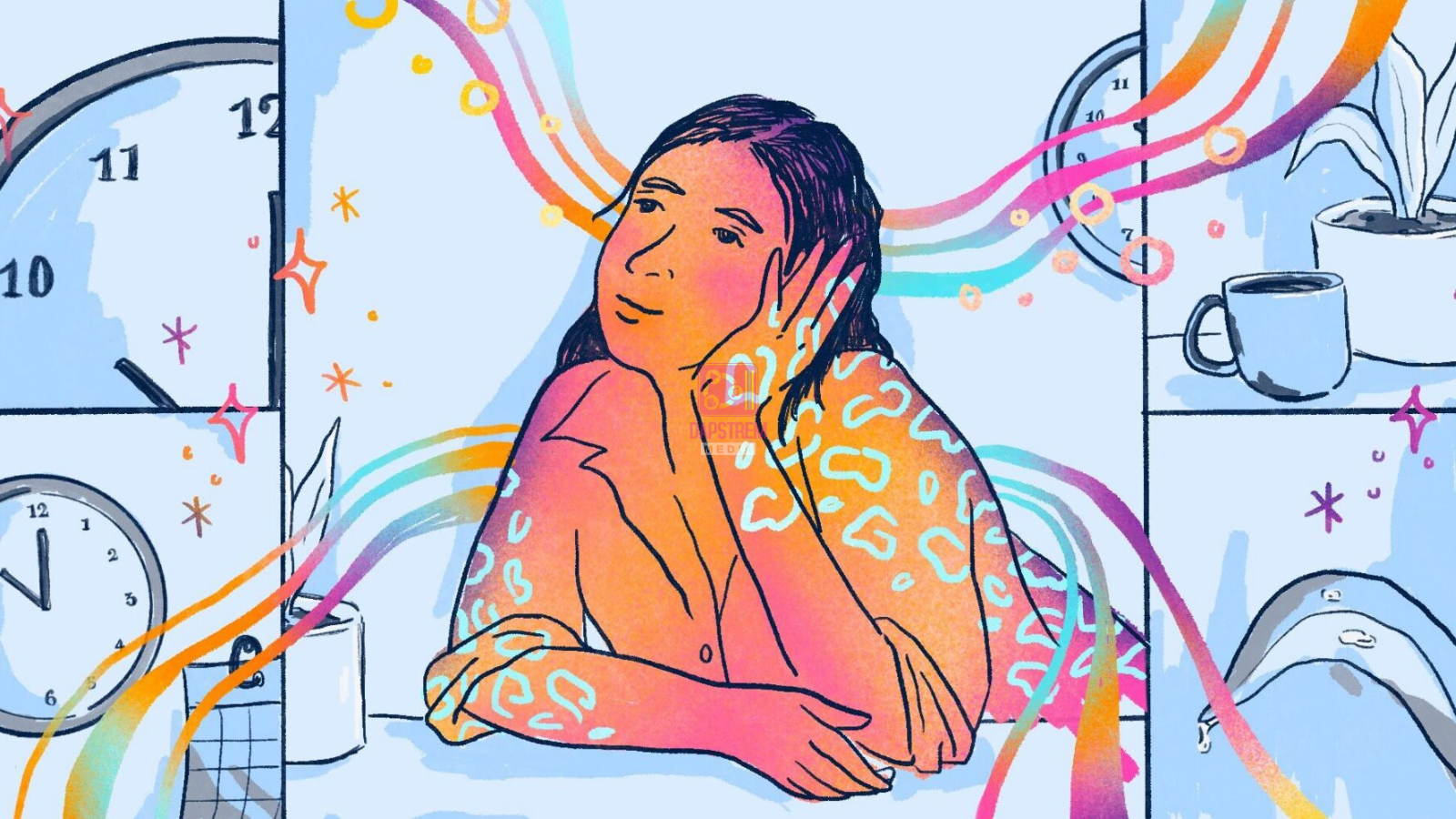
Why Boredom Is Actually Good for Creativity and Deep Thinking
Boredom is often treated like a problem to be solved as quickly as possible. The moment there is silence, a delay, or a pause in stimulation, most people instinctively reach for their phones, open social media, switch on a video, or find some form of distraction. In today’s hyper-connected world, boredom feels uncomfortable, almost like something is wrong that needs fixing. But research in psychology and neuroscience suggests something very different: boredom is not the enemy of productivity or creativity. In fact, it is one of the most powerful hidden drivers of imagination, innovation, and deep thinking.
To understand why boredom matters, it helps to first understand what it actually is. Boredom is not simply “having nothing to do.” It is a mental state that arises when the brain is under-stimulated or when the current activity feels meaningless, repetitive, or unengaging. It creates a kind of internal discomfort that pushes the mind to search for something more interesting, more meaningful, or more mentally rewarding. While this feeling can be frustrating, it plays an important evolutionary role. It signals that your current mental environment is not stimulating enough and encourages you to seek change, exploration, or creativity.
In the modern world, however, boredom is becoming increasingly rare. Smartphones, streaming platforms, social media feeds, and endless notifications ensure that there is always something to consume. Even a five-second wait in a queue is filled with scrolling. While this constant stimulation feels entertaining, it quietly removes the mental space where creativity normally forms. The brain rarely gets a chance to wander, reflect, or connect ideas in unexpected ways.
This is where boredom becomes powerful. When you are bored, your brain activates what neuroscientists call the “default mode network.” This is the part of the brain responsible for daydreaming, imagination, memory processing, and internal reflection. Unlike focused tasks that require direct attention, the default mode network works in the background, making connections between past experiences, ideas, and emotions. This is often where creative insights are born.
Think about some of the most creative ideas you have had. Many of them do not appear when you are actively trying to force a solution. Instead, they show up when you are in the shower, walking alone, lying in bed, or staring out of a window. These are moments of low stimulation—moments that modern life would label as “bored.” But in reality, these are the exact conditions where the mind is free to explore without pressure.
Historically, many great thinkers, writers, and inventors intentionally embraced boredom. They took long walks without distractions, spent time in silence, or allowed themselves to do nothing for extended periods. For example, some of the most influential scientists and philosophers described their breakthroughs as coming during idle moments rather than structured work sessions. The absence of external stimulation gave their minds the freedom to rearrange information in new ways.
In contrast, today’s constant digital stimulation has reduced the number of these creative “idle gaps.” When every spare moment is filled with content, the brain never gets a chance to enter deep reflection. Instead of thinking, we consume. Instead of imagining, we react. Over time, this can weaken creative thinking skills, not because people are less intelligent, but because they are less mentally still.
Boredom also plays a critical role in problem-solving. When you are stuck on a difficult task and step away from it, your subconscious continues working on the problem in the background. This is why solutions often appear after taking a break or doing something unrelated. Boredom forces this mental distance. It removes immediate distractions and allows the brain to reorganize information in a more efficient way.
Another important benefit of boredom is that it builds patience and emotional resilience. In a world where instant gratification is the norm, boredom teaches you to sit with discomfort without immediately escaping it. This ability is essential not only for creativity but also for focus, discipline, and long-term thinking. People who cannot tolerate boredom often struggle with sustained attention, which is necessary for deep work, learning, and skill development.
Children, in particular, benefit greatly from boredom. When children are constantly entertained, their creativity becomes dependent on external input. But when they are left to their own devices without structured activity, they are more likely to invent games, imagine stories, and explore ideas independently. This type of self-directed creativity is crucial for cognitive development. It teaches problem-solving, imagination, and independence.
However, boredom is often misunderstood as laziness or wasted time. Many people feel guilty when they are not doing something productive. This pressure to always be busy can actually reduce creativity rather than enhance it. Productivity culture often ignores the fact that rest, pause, and even inactivity are essential parts of the creative cycle.
The key is not to eliminate stimulation completely, but to balance it. There is a difference between healthy boredom and mindless avoidance. Healthy boredom is intentional space where the mind is free to wander. It can happen during a walk without headphones, a quiet moment before sleep, or time spent away from screens. These moments allow thoughts to breathe and evolve naturally.
On the other hand, when boredom is constantly replaced with digital distraction, the mind loses its ability to self-generate ideas. Over time, this can lead to reduced imagination, shorter attention spans, and a dependence on external entertainment. This is why many people feel “mentally tired” despite consuming more content than ever before.
Interestingly, many modern productivity and creativity experts now recommend scheduling boredom. This might sound unusual, but it means deliberately setting aside time with no agenda, no screens, and no structured activity. During this time, you simply allow your mind to wander. At first, it feels uncomfortable, but gradually, ideas begin to surface. Thoughts connect in new ways. Solutions appear without force.
In creative industries such as writing, design, music, and entrepreneurship, boredom is often treated as a tool rather than a problem. It is during these quiet gaps that inspiration strikes. Without them, creative output becomes repetitive and uninspired.
Ultimately, boredom is not empty time. It is mental space. And in that space, creativity has room to grow. While modern life encourages constant stimulation, the ability to be bored—and to tolerate it—is becoming a rare but valuable skill. Those who learn to embrace boredom often find themselves more creative, more reflective, and more capable of original thinking.
So the next time you feel bored, instead of reaching for your phone immediately, it may be worth pausing. That uncomfortable silence might just be the beginning of your next great idea.