
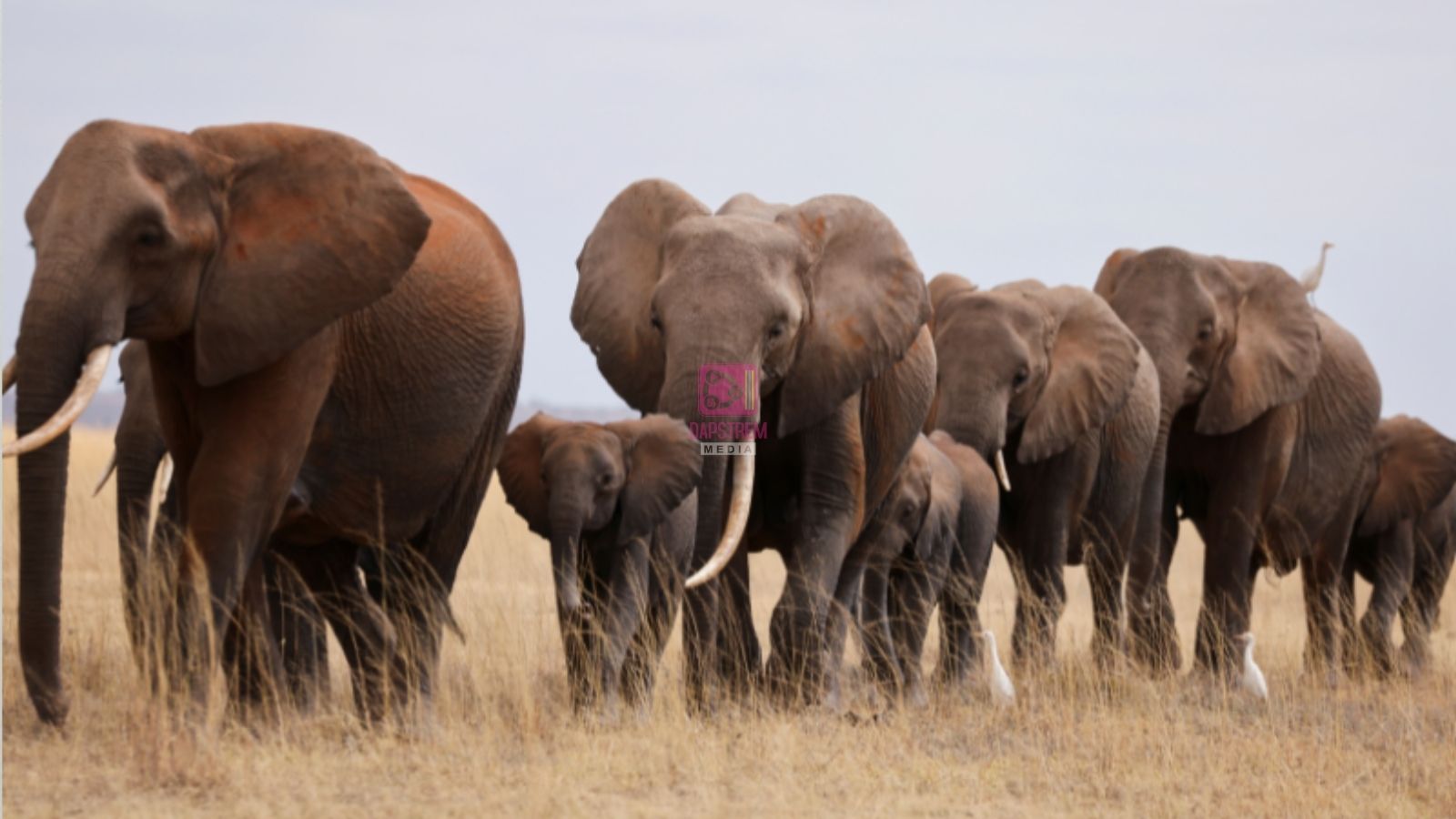
KWS Confirms Cyanide Poisoning Caused Deaths of 15 Elephants in Amboseli National Park
The Kenya Wildlife Service (KWS) has confirmed that the recent deaths of 15 elephants in Amboseli National Park were caused by cyanide poisoning, marking one of the most alarming wildlife poisoning incidents in Kenya in recent years. The confirmation has sent shockwaves through the conservation community, raising fresh concerns about the growing threat posed by wildlife crime and the use of highly toxic substances to kill protected animals.
According to KWS, laboratory tests conducted on samples collected from the dead elephants established that cyanide was the substance responsible for the deaths. The findings have intensified investigations as wildlife authorities seek to identify and apprehend those behind what is being treated as a deliberate and criminal act.
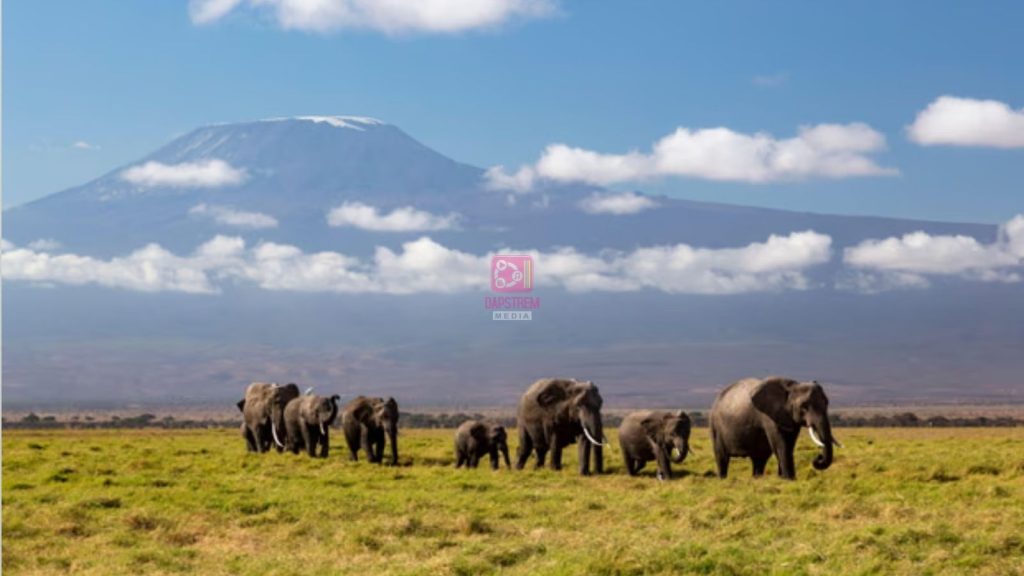
The loss of fifteen elephants represents not only a major conservation setback but also a significant blow to Kenya’s tourism industry, which relies heavily on the country’s rich biodiversity and reputation as one of Africa’s leading wildlife destinations. Amboseli National Park is internationally renowned for its large elephant population, breathtaking views of Mount Kilimanjaro, and diverse ecosystem that attracts thousands of local and international visitors every year.
The poisoning has renewed debate over the increasing sophistication of wildlife crimes. Conservation experts warn that criminals are increasingly turning to highly toxic chemicals such as cyanide because of their ability to kill animals quickly, making it easier for poachers to harvest ivory before authorities can respond.
Cyanide is one of the world’s most dangerous chemicals. Even in relatively small quantities, it can rapidly interfere with the body’s ability to utilize oxygen, leading to organ failure and death within a short period. Because of its extreme toxicity, the chemical poses a serious threat not only to wildlife but also to humans, livestock, scavenging animals, birds, and the wider environment.
Wildlife experts note that poisoning incidents rarely affect only the intended animals. Once a poisoned elephant dies, scavengers such as vultures, hyenas, jackals, and other carnivores feeding on the carcass may also ingest the toxin. This can trigger a chain reaction that wipes out multiple species within the ecosystem, creating long-term ecological consequences.
Authorities have therefore moved swiftly to secure the affected areas, safely dispose of contaminated carcasses, and prevent additional wildlife from coming into contact with poisoned remains. Veterinary officers, conservation scientists, and environmental experts have been working together to assess the full environmental impact of the incident while collecting evidence that may assist criminal investigations.
KWS has assured the public that investigations are ongoing and that specialized officers have been deployed to determine how the cyanide was introduced into the park. Investigators are expected to examine possible links to organized poaching syndicates, illegal wildlife trafficking networks, or individuals seeking to profit from elephant ivory.
Elephants remain among the world’s most heavily targeted wildlife species because of the illegal ivory trade. Although Kenya has made significant progress in reducing elephant poaching through stronger law enforcement, improved surveillance technology, and tougher penalties, isolated incidents continue to threaten conservation gains achieved over the past decade.
Amboseli National Park holds a special place in Kenya’s conservation history. Located in Kajiado County near the Kenya-Tanzania border, the park is famous for its free-ranging elephant herds, many of which have been monitored by researchers for decades. Amboseli’s elephants are among the best-studied in Africa, providing valuable scientific information about elephant behaviour, family structures, migration patterns, and conservation.
The park is also home to lions, cheetahs, buffaloes, zebras, giraffes, wildebeests, antelopes, hippos, and hundreds of bird species. Its unique ecosystem supports both wildlife and neighbouring communities whose livelihoods are closely linked to tourism and conservation.
The deaths of fifteen elephants therefore represent more than the loss of individual animals. Each elephant plays a critical ecological role within the ecosystem. Often referred to as “ecosystem engineers,” elephants help shape landscapes by dispersing seeds, creating water access points, clearing vegetation, and maintaining habitats that support countless other species.
When elephant populations decline, the effects are felt throughout the ecosystem. Reduced seed dispersal can alter forest regeneration, while changes in vegetation may affect grazing animals and predators that depend on healthy habitats. Conservationists emphasize that protecting elephants ultimately protects entire ecosystems.
The incident has also raised questions about the accessibility and misuse of hazardous chemicals. Environmental experts argue that stricter regulation of dangerous substances, improved monitoring of chemical distribution, and stronger enforcement against illegal possession may help reduce similar incidents in the future.
Community involvement remains another critical pillar in wildlife conservation. Many successful anti-poaching initiatives in Kenya have relied on cooperation between wildlife authorities and local communities living near protected areas. Residents often provide valuable intelligence that helps authorities detect suspicious activities before wildlife is harmed.
Conservation organizations have urged members of the public to report any unusual wildlife activity, suspicious movements near protected areas, or illegal possession of wildlife products. Timely reporting can significantly improve response times and increase the chances of preventing wildlife crimes.
The poisoning also highlights the growing importance of wildlife forensic science. Advances in laboratory technology now allow investigators to identify toxins, trace chemical sources, analyze DNA evidence, and strengthen criminal prosecutions against wildlife offenders. Such scientific evidence has become increasingly valuable in securing convictions against organized poaching networks.
Tourism stakeholders have expressed concern over the incident, noting that Kenya’s wildlife heritage remains one of the country’s greatest economic assets. Millions of visitors travel to Kenya each year specifically to experience iconic species such as elephants in their natural habitats. Protecting these animals therefore supports employment, foreign exchange earnings, community livelihoods, and national development.
The government has repeatedly reaffirmed its commitment to protecting Kenya’s wildlife through increased ranger patrols, aerial surveillance, intelligence-led operations, and collaboration with international conservation partners. Kenya has earned global recognition for its firm stance against ivory trafficking, including the destruction of seized ivory stockpiles to demonstrate that elephant tusks have no legitimate commercial value.
Environmental organizations have described the Amboseli poisoning as a reminder that conservation victories require constant vigilance. Criminal networks continue adapting their methods, making it essential for authorities to strengthen intelligence gathering, enhance technology, and expand cooperation across borders to combat wildlife crime effectively.
Animal welfare advocates have also condemned the incident, describing the poisoning as an act of extreme cruelty. Elephants are highly intelligent and social animals that live in close family groups led by experienced matriarchs. The loss of multiple elephants from a single population can disrupt family structures, affect calf survival, and alter herd behaviour for years.
Scientists continue monitoring surviving elephant herds within Amboseli to ensure no additional animals have been exposed to contaminated food or water sources. Veterinary teams remain on standby to respond quickly should further cases emerge.
Beyond the immediate investigation, conservation experts believe the tragedy should encourage renewed investment in wildlife protection, ranger training, public awareness campaigns, and stronger penalties for environmental crimes. They argue that safeguarding Kenya’s wildlife requires sustained commitment from government agencies, conservation organizations, local communities, and the international community.
As investigations continue, KWS has pledged to pursue those responsible and ensure they face the full force of the law. Wildlife offences involving endangered species carry severe penalties under Kenya’s wildlife conservation laws, reflecting the country’s determination to protect its natural heritage.
Ultimately, the confirmed cyanide poisoning of fifteen elephants in Amboseli National Park serves as a painful reminder of the ongoing threats facing wildlife conservation. While Kenya has made remarkable progress in protecting its elephant population over the years, incidents such as this underscore the need for continued vigilance, stronger law enforcement, and collective responsibility in safeguarding one of the nation’s greatest natural treasures.
The deaths of the fifteen elephants represent not only a profound conservation loss but also a call to action. As investigations unfold and authorities work to bring those responsible to justice, conservationists hope the tragedy will strengthen efforts to protect Kenya’s wildlife for future generations and reinforce the country’s position as a global leader in wildlife conservation.