Defence Forces Memorial Hospital (DFMH) has recorded a major milestone in specialised healthcare after successfully performing its first red blood cell exchange procedure on a patient living with sickle cell disease.
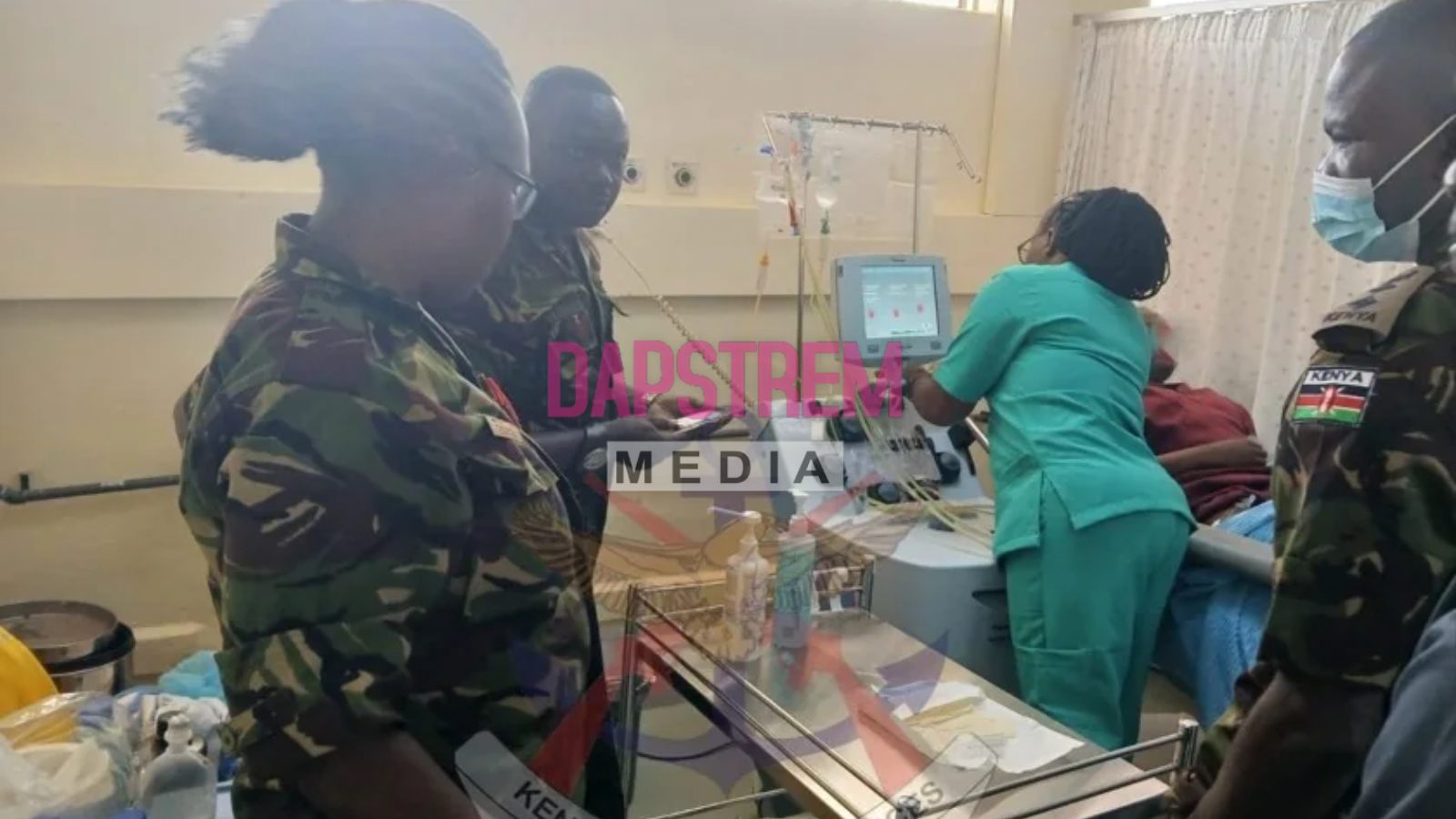
The procedure was carried out on October 2, 2026, at the hospital’s Renal Unit using the newly acquired Spectra Optia® apheresis system. The patient was a 15-year-old girl with sickle cell disease, according to the Kenya Defence Forces.
The development expands the hospital’s ability to provide advanced treatment for patients with complex blood disorders without necessarily referring them to facilities outside the KDF health system.
How the procedure works
Red blood cell exchange is an advanced form of blood therapy in which a patient’s abnormal or sickled red blood cells are removed and replaced with compatible donor red blood cells.
The process is performed using an apheresis machine, which separates blood components and allows medical teams to selectively remove and replace particular cells. For people with sickle cell disease, reducing the proportion of sickled cells can help manage serious complications associated with the condition
The treatment is particularly important for patients who experience severe complications such as recurrent pain crises, stroke and acute chest syndrome. Kenya’s Jaramogi Oginga Odinga Teaching and Referral Hospital, which introduced automated red blood cell exchange in the public sector in 2025, describes the therapy as a way of reducing complications while also limiting some of the risks associated with repeated conventional transfusions.
New capacity for KDF healthcare
KDF said the acquisition of the Spectra Optia system represents more than the completion of a single procedure. It gives DFMH a platform for expanding therapeutic apheresis and advanced transfusion services.
The hospital will now be better positioned to manage eligible patients requiring specialised blood-component therapy, strengthening continuity of care for KDF personnel, their families and other eligible beneficiaries.
The development also comes as Kenya continues expanding access to specialised sickle cell treatment. In May 2026, the government announced enhanced Social Health Authority benefits for sickle cell care, including coverage for red blood cell exchange at KSh70,000 per intervention, subject to the applicable limits under the package.
A significant step for sickle cell care
Sickle cell disease remains a major health challenge in Kenya, particularly in regions such as Nyanza, Western and the Coast. Health specialists have increasingly highlighted the importance of early diagnosis, consistent treatment and access to advanced therapies for patients with severe disease.
The KDF breakthrough therefore marks an important addition to Kenya’s growing capacity to offer specialised sickle cell care.
While the procedure is not a cure for sickle cell disease, it can play an important role in reducing the proportion of abnormal cells and preventing serious complications in appropriately selected patients.
For DFMH, the successful procedure signals the beginning of a new phase in specialised medical care, with the hospital expected to build on the technology and expertise acquired to introduce additional therapeutic apheresis services.