Bien Wants Gengetone to Get Another Chance
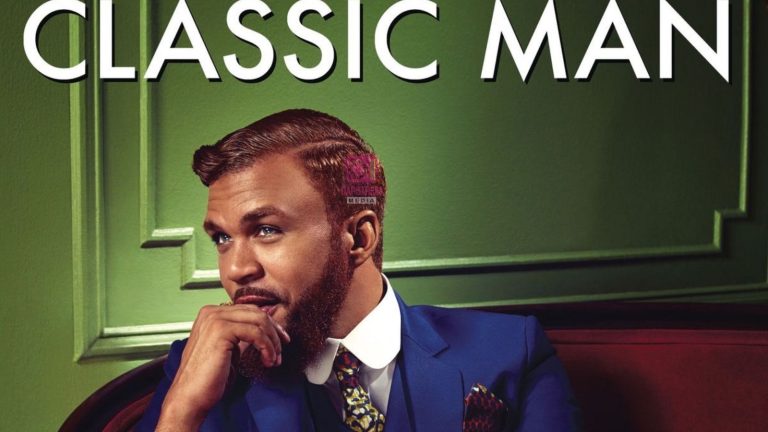
Kenyan singer Bien-Aimé Baraza has made an exciting call for Gengetone to be given another opportunity, arguing that the genre did not get enough time to develop before the COVID-19 pandemic disrupted the music industry.
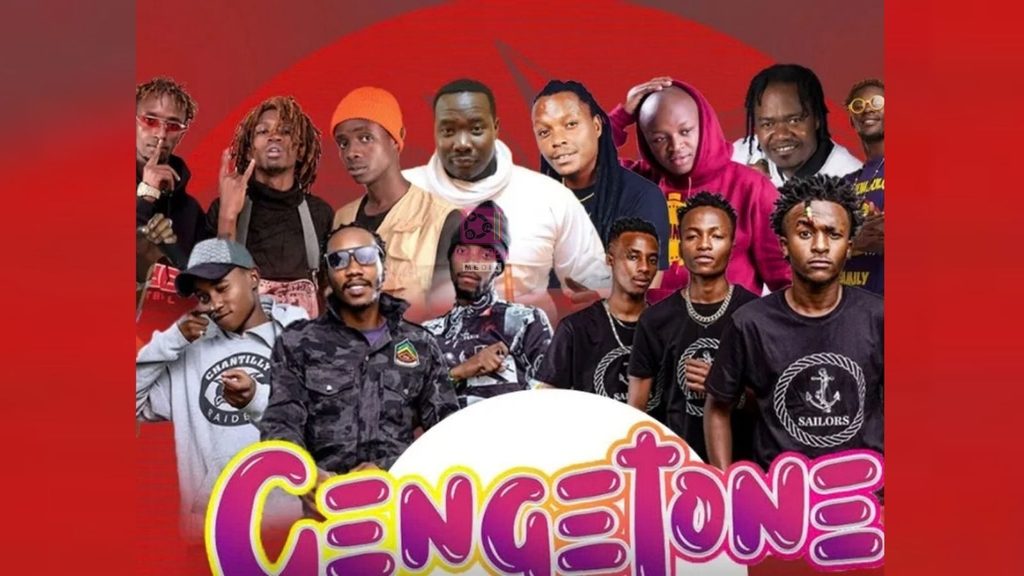
Bien made the comments while discussing the importance of Kenyan music and culture around Sol Fest. He said Gengetone had its momentum interrupted at a crucial point and expressed excitement about seeing artists associated with the sound perform again.
His comments have reopened a conversation about one of Kenya’s most influential youth-driven music movements of the late 2010s and early 2020s.
Gengetone Lost Momentum During COVID
Gengetone rose rapidly among Kenyan young people, with artists and groups creating a sound built around Sheng, energetic production and street culture.
The genre became closely connected to live entertainment, clubs, matatu culture, social media and youth audiences. Spotify previously described the sound as an identity for young Kenyans and noted its strong connection to Nairobi’s streets.
That ecosystem was severely disrupted when COVID-19 restrictions affected live entertainment.
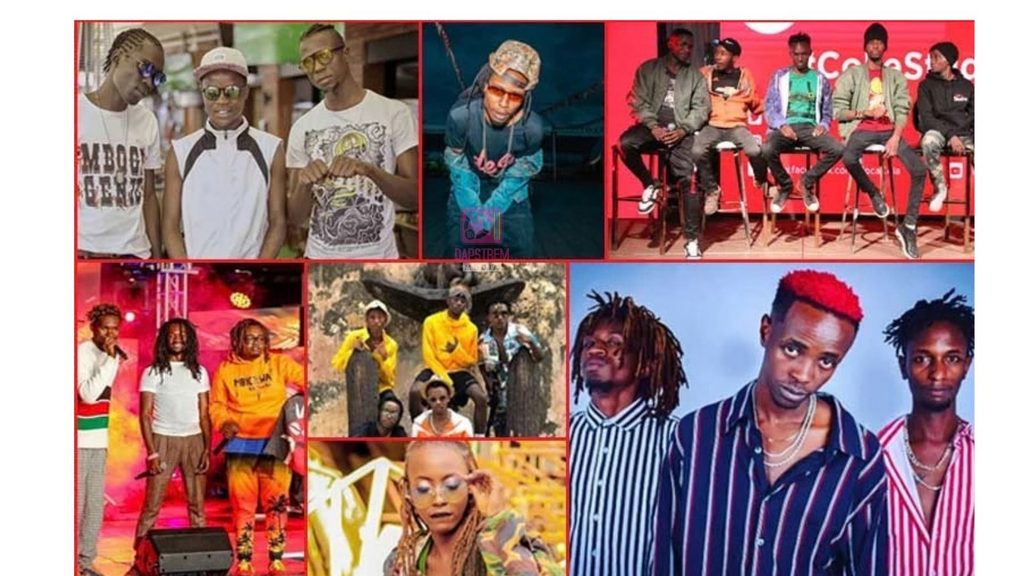
Concerts and other events were cancelled or restricted, leaving performers with fewer opportunities to make money from live shows. For a genre whose popularity was closely connected to energetic performances and social gatherings, the disruption came at an important stage of its development.
Bien believes that interruption meant Gengetone did not get the opportunity it deserved.
Bien Says Gengetone’s Lifeline Was Cut Short
Bien’s argument is not simply that Gengetone should return because of nostalgia.


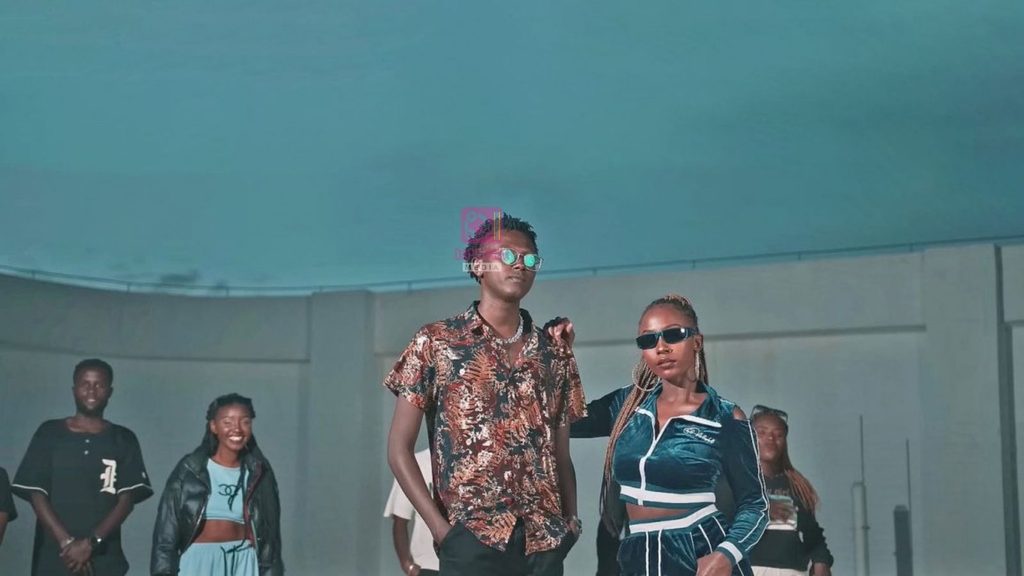
He believes the genre’s growth was interrupted before it had a proper chance to establish what it could become.
The singer said Gengetone “didn’t get the chance it deserves” because its lifeline was cut short by COVID, adding that he was excited to see the artists perform again.
That perspective gives the debate a different angle.
Rather than viewing the decline of Gengetone only as a result of changing musical tastes, Bien is pointing to the circumstances surrounding the pandemic and the effect they had on artists and the entertainment industry.
Gengetone Was More Than a Music Trend
At its peak, Gengetone became more than a collection of hit songs.
It represented a particular moment in Kenyan youth culture.
Artists used Sheng and local references to create music that sounded distinctly Kenyan. The genre also provided a platform for young performers who were able to build audiences through YouTube, streaming platforms, social media and live performances.
Spotify noted that the sound had become deeply connected to Nairobi’s youth and described it as music that came from the streets and reflected the experiences of young people.
That cultural connection is one reason the conversation around a possible Gengetone revival continues.
The Nostalgia Factor Is Already Growing
For many Kenyan listeners, hearing Gengetone again brings memories of a particular period in the country’s music scene.
The genre produced songs and performers who became major parts of youth culture, while its slang, dance styles and energetic production spread well beyond Nairobi.
A renewed interest could therefore appeal to listeners who grew up with the original wave while also introducing the sound to a younger audience.
But a comeback does not necessarily have to mean recreating the exact sound of the past.
Artists could take the original energy of Gengetone and combine it with newer production styles, different themes and influences from other Kenyan genres.
Can Gengetone Find a New Sound?
One of the biggest questions surrounding a possible Gengetone return is what the genre would sound like in 2026.

Kenyan music has continued to evolve since the original Gengetone wave. Arbantone and other urban sounds have gained attention, while Kenyan artists have increasingly experimented with Afrobeat, Amapiano, hip-hop, R&B and traditional sounds.
That means a new generation of Gengetone artists would have an opportunity to build on the original foundation rather than simply copy it.
The genre could retain its Sheng-heavy identity and energetic character while exploring more diverse subjects and production approaches.
Bien Has Continued to Push Kenyan Sounds
Bien’s comments about Gengetone are also consistent with his broader interest in Kenyan musical identity.
He has previously spoken about incorporating sounds from different parts of Kenya into his solo work, including Mugithi, Ohangla, Isukuti and Kamba musical traditions.
Through Sol Fest, he has also emphasized the importance of connecting younger audiences with the country’s musical heritage.
Bien has described the festival as a way of using music and art to remind Kenyans where they come from while helping them understand where the culture is going.
His support for Gengetone therefore fits into a wider conversation about giving Kenyan sounds space to develop.
A Second Chance Could Mean Something Different
Giving Gengetone another chance does not necessarily mean bringing back everything associated with its original era.
Instead, it could mean allowing artists connected to the genre to experiment again and see where the sound can go.
The original movement emerged during a period when Kenyan youth were looking for music that reflected their language, experiences and social environment. A new generation could create its own version of that identity.
For Gengetone, the next chapter could therefore be about evolution rather than simply revival.
Gengetone’s Place in Kenyan Music
Whether Gengetone returns to the mainstream at its former scale remains to be seen.
However, Bien’s comments highlight an important part of Kenya’s music history. The genre created opportunities for artists, producers and other people working around the entertainment industry before the pandemic disrupted the ecosystem that supported it.
Its influence can still be heard in conversations about Kenyan urban music, Sheng and youth culture.
For Bien, the story is not finished.
His call for Gengetone to receive another chance gives fans and artists an opportunity to reconsider what the genre represented and what it could become.
After having its momentum interrupted by COVID, Gengetone may not need to recreate its past. It could simply need another opportunity to write its next chapter.