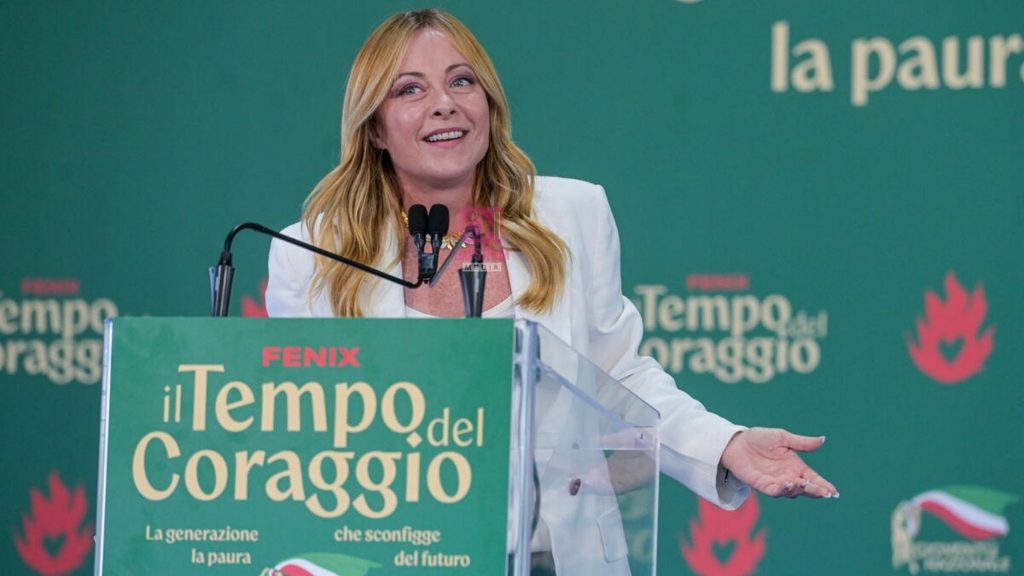
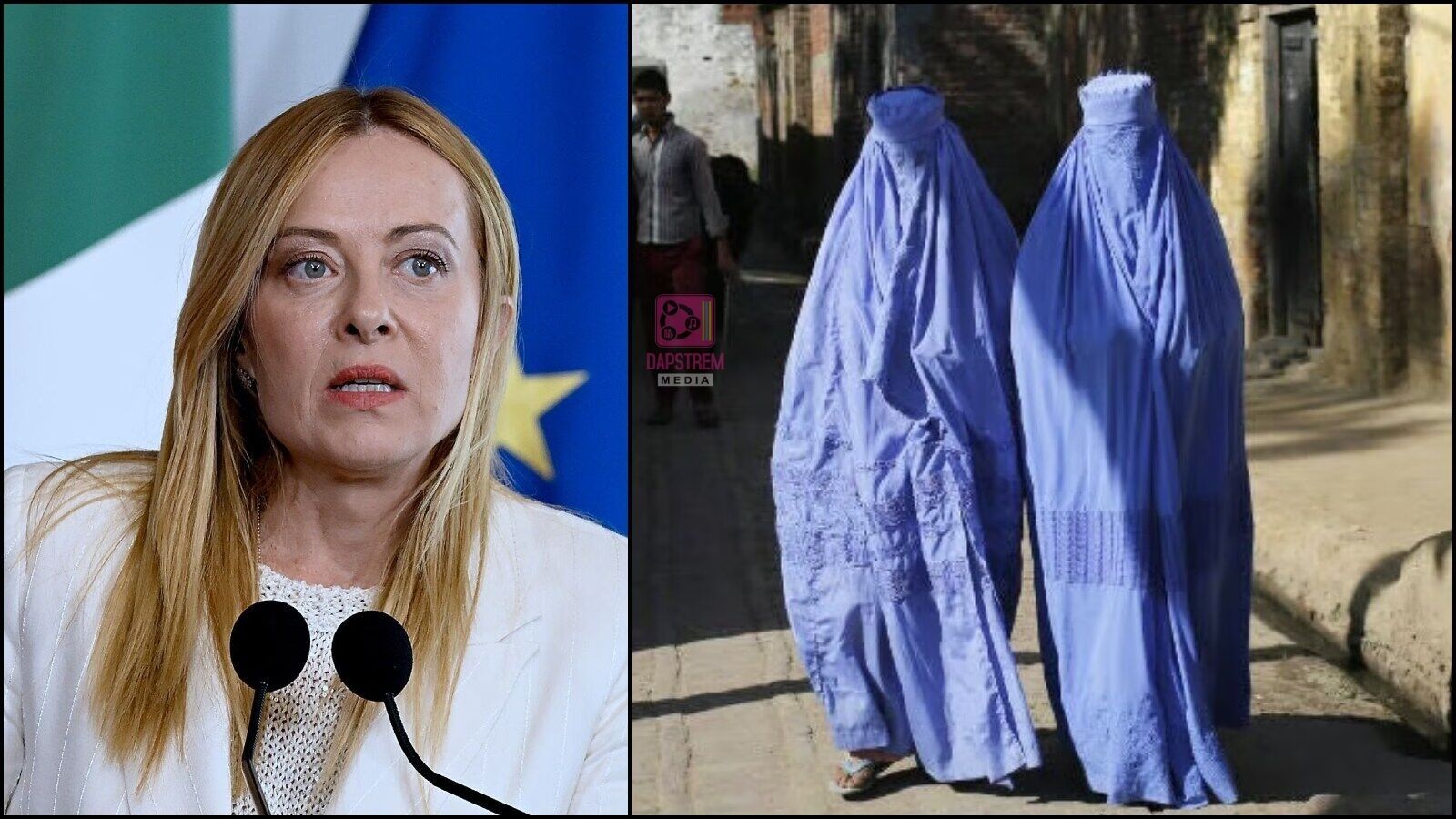
Italian Prime Minister Giorgia Meloni has announced plans for new school measures that would ban the wearing of burqas and niqabs in schools, limit the number of foreign students in classrooms and require some parents of foreign pupils to learn Italian.
The proposals were announced by Meloni on Sunday, September 20, 2026, during an event organised by the youth wing of her Brothers of Italy party in Rome. The measures have not yet become law and are expected to be presented to Italy’s Council of Ministers before going through the parliamentary process.
Giorgia Meloni Plans Burqa and Niqab Ban in Schools
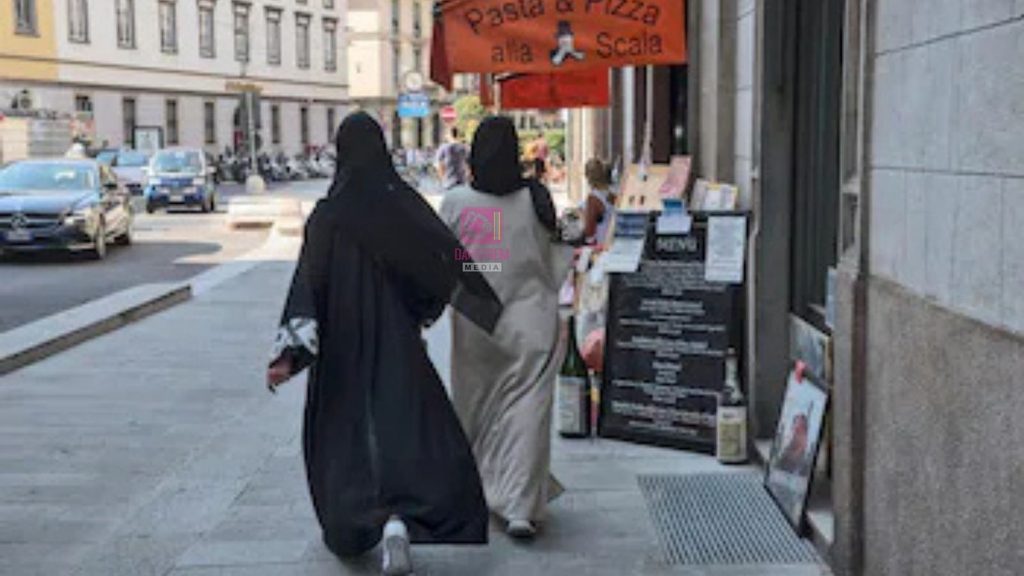
One of the most notable parts of the proposed package is a ban on burqas and niqabs in Italian schools.
Meloni said schools should be places where students attend with their faces uncovered. She linked the proposal to questions surrounding individual freedom, integration and equality between men and women.
The announcement has placed religious clothing and cultural integration back at the centre of Italy’s political debate.
A burqa is a full-body garment that covers the face, while a niqab also covers the face but normally leaves the eyes visible. Italy does not currently have a nationwide school-specific ban on either garment.
The proposed restrictions would therefore represent a change to the rules governing face coverings in Italian schools.
Foreign Students Could Face Classroom Limits
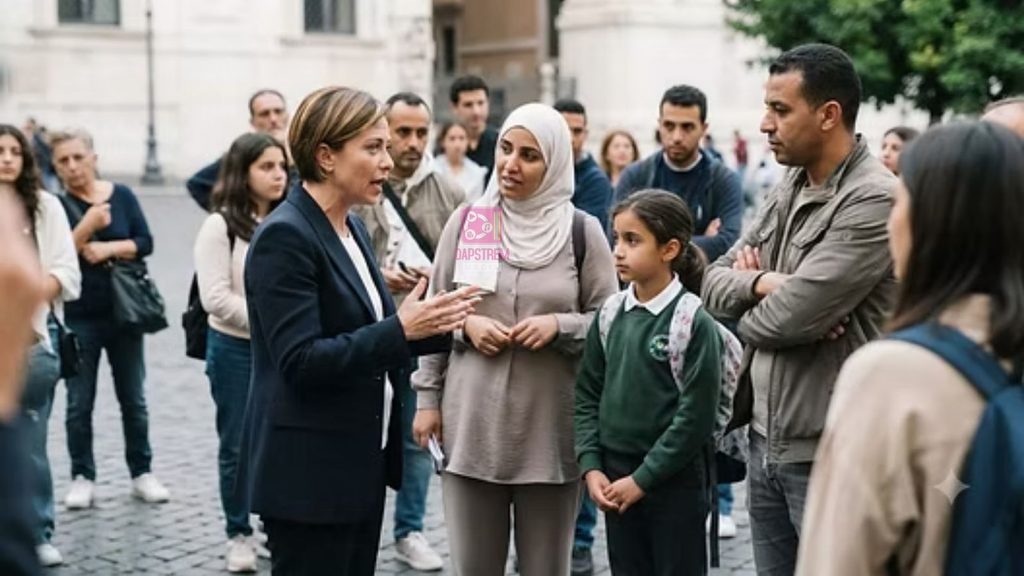
The government also plans to introduce a legal maximum for the number of foreign students who can be placed in a classroom.
Meloni argued that integration can become more difficult when large numbers of students do not speak Italian. She said Italian children should not find themselves in situations where they become a minority within their own classroom.
However, the government has not yet announced the exact new limit.
Reuters reported that foreign students currently account for about 11.6% of pupils in Italy. Italy already has rules concerning the proportion of students with foreign citizenship in classrooms, with a 30% limit applying under existing regulations, although there are exceptions.
The new proposal could therefore involve changes to how the existing system is applied or strengthened.
Giorgia Meloni Wants Some Parents to Learn Italian
Another part of the proposed package would require certain parents of foreign students to take Italian-language lessons.
The requirement would apply to parents whose children are considered to be facing serious difficulties integrating into the Italian education system.
Meloni presented language learning as an important part of integration, arguing that people who move to Italy should learn the language, understand the country’s culture and respect its rules.
The proposal would connect the education of children with the integration of their families, potentially making language support a formal requirement for some parents.
Details on how such lessons would be organised, who would be required to attend and what penalties, if any, would apply have not yet been fully outlined.
Proposal Still Needs Parliamentary Approval
Despite the announcement, the measures are not yet law.
Meloni said the government intends to bring the proposal before the Council of Ministers. If the government approves legislation containing the measures, it would then need parliamentary approval before becoming law.
That means the final version could change during the legislative process.
The parliamentary debate could also determine the precise rules surrounding face coverings, foreign-student numbers and Italian-language requirements for parents.
For now, the announcement represents the government’s proposed direction rather than a completed change to Italy’s education laws.
Italy’s Wider Debate Over Integration
The proposals come as Italy continues to debate immigration, integration and the role of cultural and religious practices in public institutions.
Italy’s location in the central Mediterranean has made it an important arrival point for migrants, while successive governments have faced political pressure over immigration and integration policies.
Meloni’s government has made integration and migration important parts of its political agenda.
The latest school proposal brings those issues directly into the education system, where questions surrounding language, classroom composition and religious expression can affect students and families.
Supporters of the measures may view them as tools for integration and common standards in schools, while critics are likely to debate whether restrictions on religious clothing and foreign-student numbers could create discrimination or place additional pressure on migrant families.
Those disagreements are expected to form part of the parliamentary discussion if the government formally introduces the measures.
The immediate next step is for the proposed measures to be considered by Italy’s government.
If approved by the Council of Ministers, the legislation would proceed to Parliament, where lawmakers would have the opportunity to debate, amend or reject the proposals.
Until that process is completed, the proposed burqa and niqab ban, foreign-student limits and compulsory Italian lessons for certain parents remain plans rather than enforceable laws.
The debate is likely to attract significant attention both inside Italy and across Europe because it combines education policy, immigration, religious expression and integration.
For Italian schools and foreign families, the outcome of the parliamentary process will determine whether the proposed changes become part of the country’s education system.