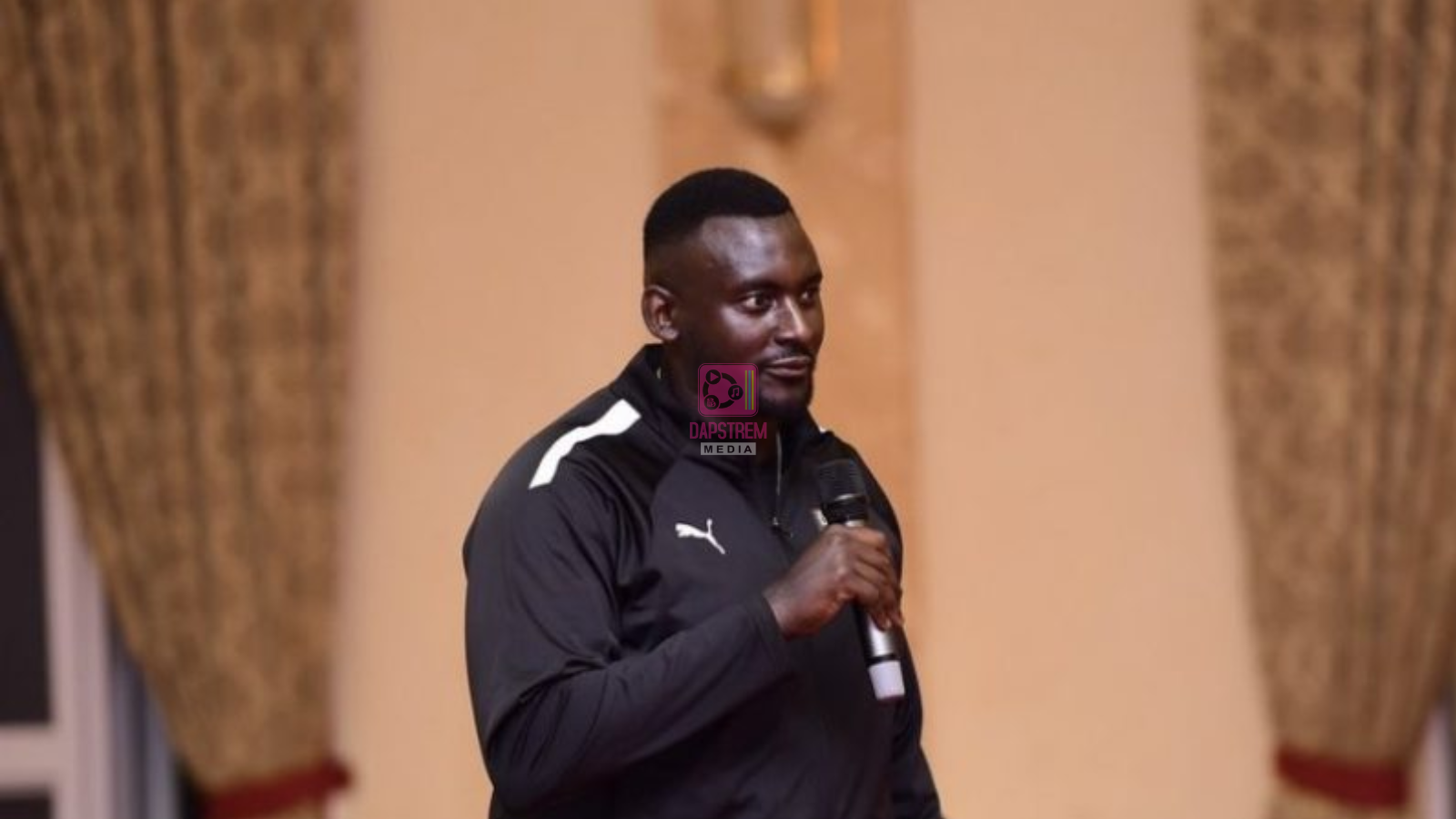
A football goalkeeper in south-east London is facing the most extraordinary career change imaginable: swapping his gloves and captain’s armband for a royal crown.
George Desmond Kamurasi, a 36-year-old goalkeeper and captain of non-league side SE Dons, has been selected to become the next Omukama, or king, of the Tooro Kingdom in western Uganda.
Kamurasi was chosen by the Tooro Royal Succession Committee following the death of his cousin, King Oyo Nyimba Kabamba Iguru Rukidi IV, who died in the United States on August 27, 2026, aged 34, after receiving treatment for cancer.
The appointment has produced an extraordinary juxtaposition: a man accustomed to weekend fixtures on the ninth tier of England’s football pyramid could soon become the traditional leader of a kingdom with an estimated population of about 800,000 people.
From south-east London to the royal palace
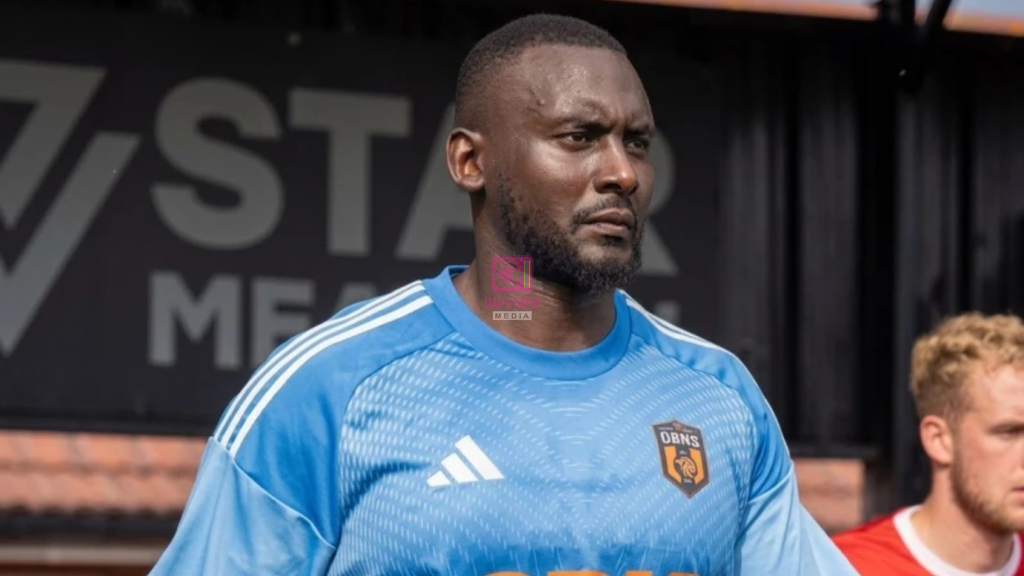
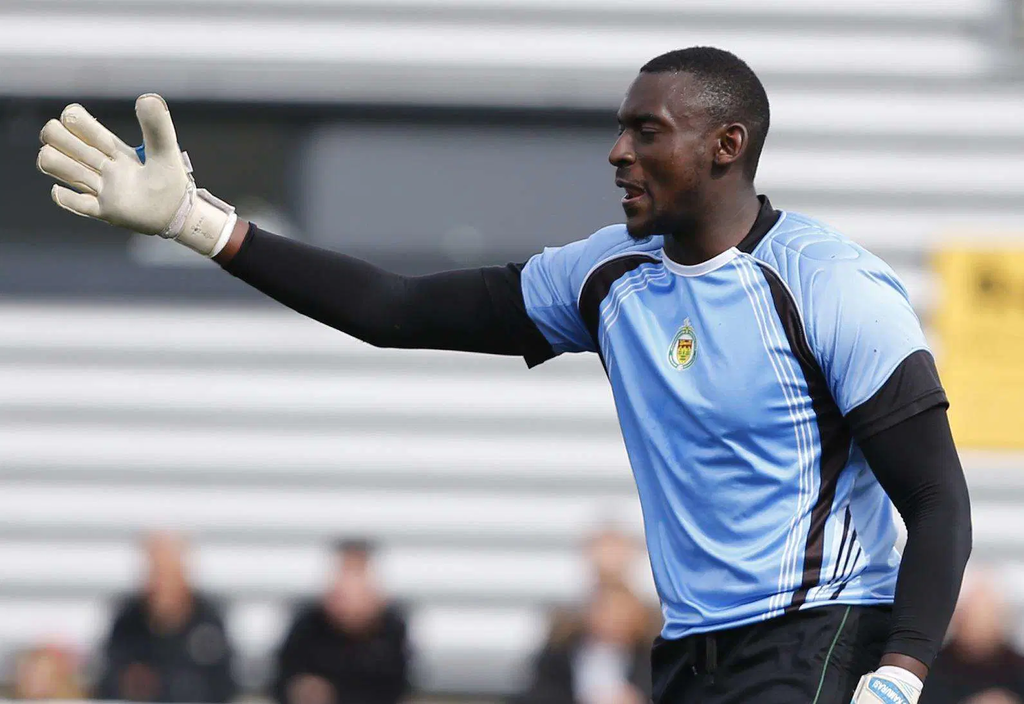
Kamurasi, widely known as “Big G”, is the captain and goalkeeper of SE Dons, based in south-east London.
Far removed from the glamour and wealth associated with elite professional football, his football career has been rooted in England’s non-league game. He has also been involved in coaching and mentoring younger players and is known at his club for his passionate leadership and energetic team talks.
His football profile has occasionally taken him beyond the traditional non-league circuit. Kamurasi has also appeared on Soccer AM, where he featured in the programme’s Car Park Challenge.
But behind the footballer is a royal lineage that has now placed him at the centre of a succession that few outside his family could have anticipated.
Kamurasi is a member of the Tooro royal family and was reportedly second in line to succeed his uncle, Olimi Kaboyo II, according to accounts of the family’s succession arrangements. His grandfather, King George Rukidi III, was also an important figure in Tooro’s modern royal history and welcomed Queen Elizabeth II during her 1954 visit to Uganda.
A king who began his reign at three
Kamurasi’s possible accession follows the death of a monarch whose story attracted international attention.
King Oyo Nyimba Kabamba Iguru Rukidi IV became Omukama of Tooro in 1995 at only three years old. At the time, he was recognised as the world’s youngest reigning monarch. His extraordinary accession made him an international figure while also placing him at the centre of Tooro’s cultural identity for more than three decades.
Oyo remained the symbolic head of Tooro until his death in August.
His body was returned to Uganda on September 4 ahead of his burial, with President Yoweri Museveni among those who received the remains at Entebbe International Airport. His burial is scheduled for September 12 in the Tooro Kingdom.
Because Oyo was unmarried and had no children, the succession has moved through the royal family.
Reports of a possible secret heir had circulated, but the head of the Tooro royal clan said Oyo died without children, clearing the way for the royal succession process that has now placed Kamurasi in line for the throne.
How the successor was chosen
The decision was made through Tooro’s traditional succession process.
Reports indicate that Kamurasi was selected by the Royal Succession Committee on Friday. The committee had 18 members present for the vote, with 15 voting in his favour. Other reports describe the wider succession body as a 21-member royal committee.
The selection is expected to be formally confirmed through traditional burial and succession rituals surrounding the late king.
That means Kamurasi’s position is not simply a conventional political appointment. The Tooro monarchy is a traditional institution whose legitimacy is rooted in the kingdom’s cultural and royal structures.
A kingdom without political power
Tooro is one of Uganda’s historic traditional kingdoms.
Uganda remains a republic, and its traditional monarchies do not exercise sovereign political authority over the state. Instead, kingdoms such as Tooro play important cultural, social and community roles.
The institution was restored in 1993 after Uganda’s government restored traditional cultural institutions that had been abolished under former President Milton Obote.
The Omukama therefore does not govern Uganda in the manner of a constitutional head of state. The role is primarily concerned with preserving the identity, traditions and cultural heritage of the Tooro people.
For Kamurasi, however, becoming Omukama would still represent a profound responsibility.
The goalkeeper’s difficult decision
The biggest question now is whether Kamurasi will accept the throne.
Reports suggest he has been reluctant to abandon his life in Britain, where he lives with his wife and young son.
The decision could force him to choose between two dramatically different worlds: his family and football life in south-east London and a traditional leadership role thousands of miles away in western Uganda.
There is even an immediate footballing complication.
The funeral and royal ceremonies surrounding King Oyo’s death coincide with a fixture involving SE Dons, raising the possibility that Kamurasi could miss the late king’s funeral because of his football commitments.
For a man whose identity has been closely connected to football, the situation presents an almost surreal choice.
One path leads back onto a London football pitch, where he is a goalkeeper and captain.
The other leads to a royal palace in Uganda, where he could become the next custodian of one of the country’s oldest traditional kingdoms.
From troubled youth to potential king
Kamurasi’s journey is even more remarkable because football was not simply a career for him; it became a means of changing his life.
He has spoken publicly about struggling after the death of his mother when he was 14 and subsequently spending time in prison as a teenager. He has credited football with helping him turn his life around, giving him discipline, purpose and a route away from the difficulties of his youth.
That history has become part of the story surrounding his possible accession.

Supporters of his selection have pointed to his leadership qualities and strong personality. Ugandan author Cynthia Natkoto described him as a strong mobiliser with a “no-nonsense” character, qualities she suggested could serve Tooro well.
Some observers have questioned whether a man raised largely in Britain can fully represent the cultural expectations of the Tooro people. His British upbringing, family life and years spent away from Uganda have inevitably become part of the discussion surrounding his potential reign.
A crown, but no ordinary coronation
The royal succession is expected to become clearer during the traditional ceremonies following King Oyo’s burial, with a formal declaration of the successor anticipated thereafter.
If confirmed, his story will be unlike almost any other in modern football: a non-league goalkeeper from south-east London becoming the traditional king of an historic Ugandan kingdom.