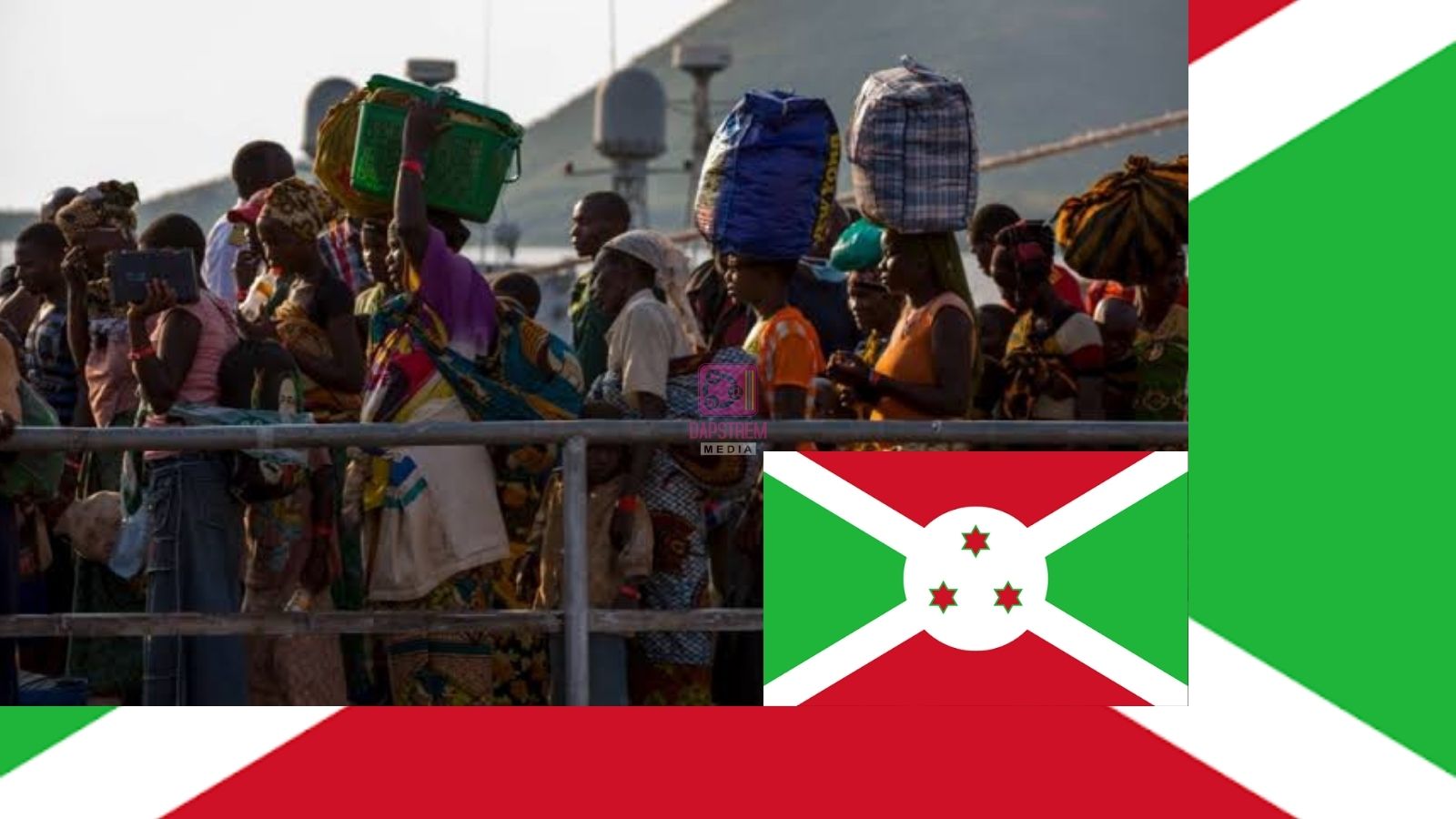
Burundian Migrants in Dar es Salaam
A reported 124 Burundian migrants have been detained in Dar es Salaam over alleged immigration violations, bringing renewed attention to Tanzania’s ongoing efforts to enforce immigration regulations involving foreign nationals.
The reported arrests have sparked discussion online after details of the incident were shared by Nairobi Gossip Club. However, official details surrounding the exact number of people detained and the circumstances of their arrest remain limited.
The development comes against the backdrop of increased immigration enforcement in Tanzania and a broader migration situation involving Burundian nationals living or travelling through the country.
Burundian Migrants in Dar es Salaam Face Immigration Checks
According to the reports circulating online, the Burundian nationals were taken into custody in Dar es Salaam after authorities reportedly identified immigration-related violations.
Immigration regulations require foreign nationals living, working or conducting activities in Tanzania to comply with the country’s laws governing entry and residence.
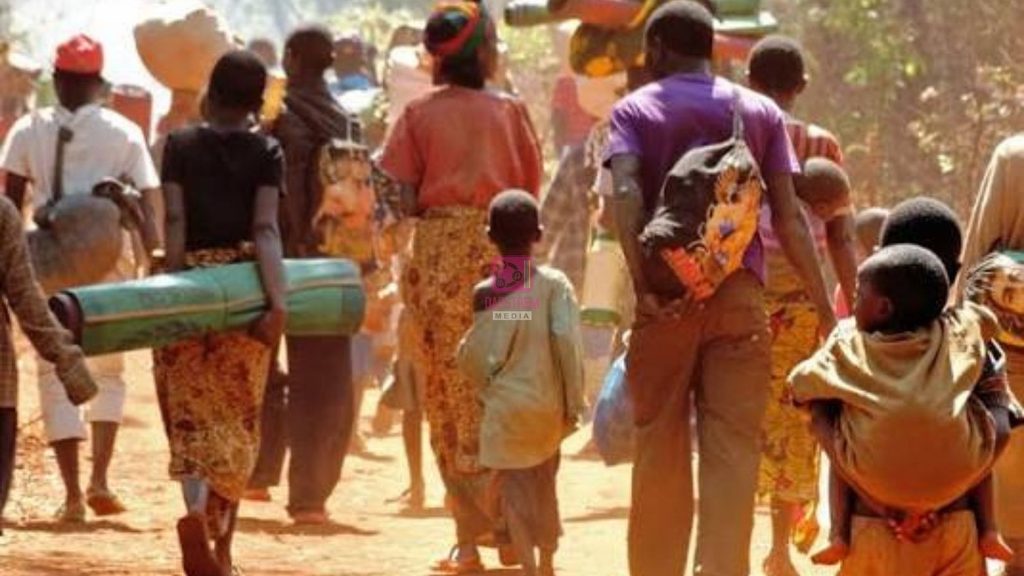
The reported detention has therefore raised questions about the documentation and immigration status of the affected migrants.
Authorities have not, at the time of writing, publicly provided a detailed breakdown explaining the individual circumstances of all the reported detainees.
This makes it important to distinguish between allegations of immigration violations and a final determination by authorities or a court.
Tanzania’s Wider Immigration Situation
The reported detention comes at a time when Tanzania is dealing with several migration-related issues involving Burundian nationals.
Tanzania has hosted large numbers of Burundian refugees for years, particularly in the Kigoma region near the Burundi border.
In recent months, the Tanzanian government, Burundi and the United Nations High Commissioner for Refugees have been working on voluntary repatriation programmes for Burundian refugees who wish to return home.
The situation has attracted international attention as authorities seek to balance immigration management, refugee protection and the voluntary return of people who are ready to go back to Burundi.
Burundians Have Long Had Links With Tanzania
The movement of Burundian nationals into Tanzania is not a new development.
The two countries share a border and have longstanding economic, social and cultural links. Tanzania has historically been an important destination for Burundian refugees, traders, workers and other migrants.
Dar es Salaam, as Tanzania’s largest commercial city, also attracts people from different parts of East Africa who travel there for business and other legitimate reasons.
However, foreign nationals are expected to comply with Tanzanian immigration requirements regardless of their nationality.
This means that people who enter, work or remain in Tanzania without the required documentation can potentially face action from immigration authorities.
Difference Between Refugees and Other Migrants
The reported Dar es Salaam incident should also be separated from the situation involving registered refugees in Tanzania.
Refugees and asylum seekers have a different legal status from ordinary migrants, and their protection is governed by national and international refugee frameworks.
At the same time, Tanzania has previously enforced restrictions concerning refugees leaving designated areas without authorization.
This distinction is important because not every Burundian national living in Tanzania is necessarily a refugee. Some are migrants, workers, visitors, traders or people travelling for other reasons.
The immigration status of each individual therefore matters when determining what legal requirements apply.
Immigration Enforcement Raises Questions
The reported detention of the 124 Burundian migrants is likely to generate questions about how the authorities will handle the affected individuals.
In immigration cases, authorities may investigate documentation, entry records and the circumstances under which foreign nationals are staying in the country.
Depending on the findings, individuals can face different administrative or legal procedures.
However, without an official statement giving details of the case, it would be premature to conclude that all the reported detainees committed the same violation.
The figure of 124 should therefore be understood as a reported number, pending confirmation from Tanzanian authorities.
Tanzania and Burundi Continue Working Together
Tanzania and Burundi maintain close relations, including cooperation on trade, transportation, security and migration.
The two countries have also worked with international organisations on the return of Burundian refugees from Tanzania.
The wider repatriation process has seen thousands of Burundians return home, while other refugees have remained in Tanzania because of personal circumstances or concerns about returning.
This broader situation makes immigration developments involving Burundian nationals particularly significant.
What Happens Next?
More information is expected to emerge if Tanzanian immigration authorities issue an official statement concerning the reported arrests.
Authorities could provide clarification on the number of people detained, where they were arrested, the alleged violations and what steps will follow.
For the affected migrants, the next stage will depend on the findings of immigration authorities and any applicable legal procedures.
The reported incident also serves as a reminder that foreign nationals living or working in Tanzania are required to comply with the country’s immigration laws.
For now, the reported detention of 124 Burundian migrants in Dar es Salaam remains a developing story, with further official clarification needed to establish the full circumstances surrounding the incident.
The development comes amid a much wider migration conversation between Tanzania and Burundi, as both countries continue dealing with refugee returns, cross-border movement and immigration enforcement.