President William Ruto is set to unveil a new uniform for Kenya Police Service general-duty officers on Friday, August 28, 2026, marking a major change to the appearance of the country’s police force.
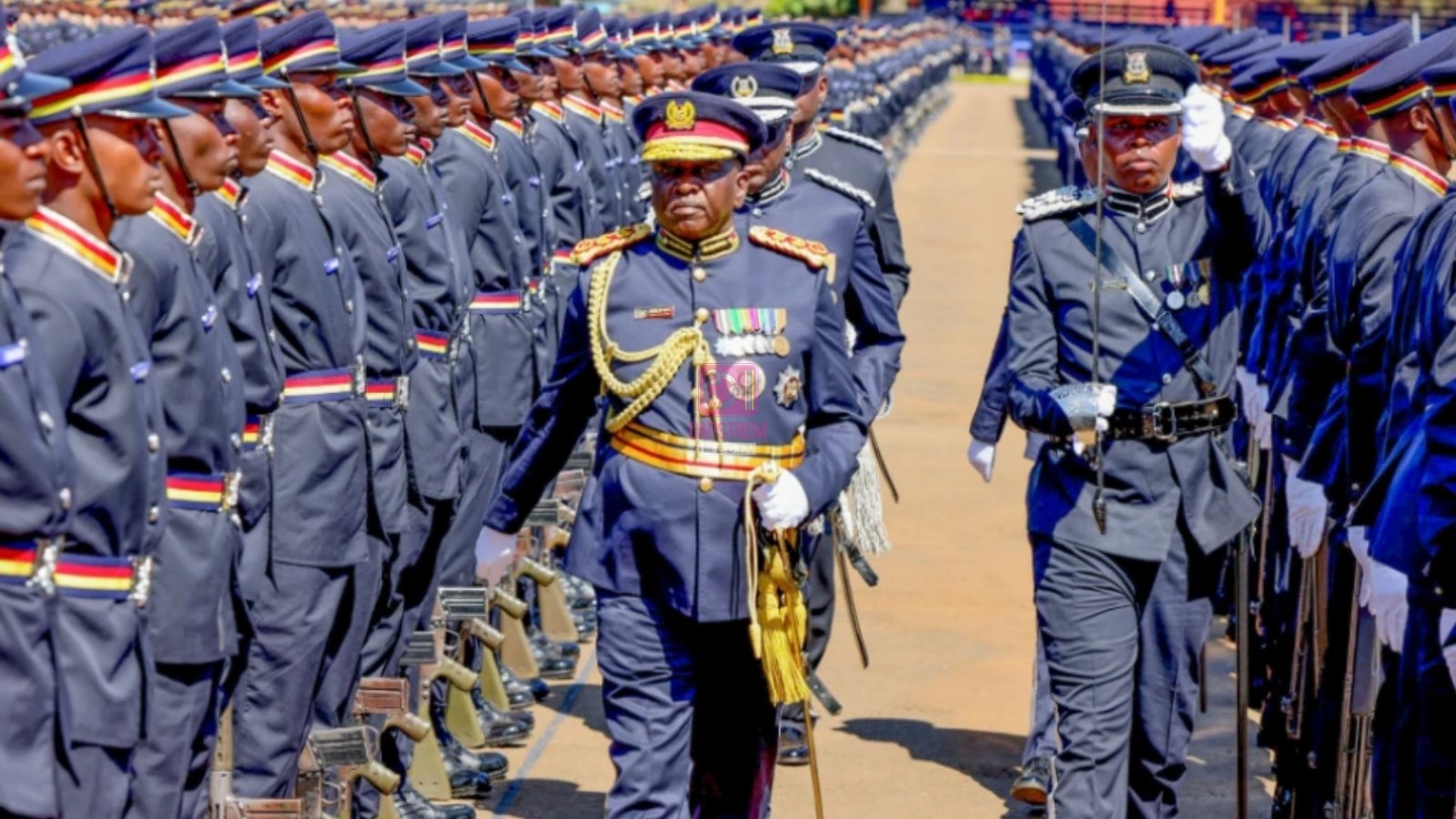
The new attire will be officially presented during the passing-out parade of more than 6,000 police constables at the Kenya Police Training College in Kiganjo, Nyeri County. Inspector General of Police Douglas Kanja said the graduating officers will be among the first to wear the new uniform before it is progressively introduced across the country.
The change follows a 2023 public participation exercise in which police officers rejected the deep navy-blue uniform currently in use and expressed a preference for an earlier design that had previously been approved.
Uniform to Debut at Kiganjo
The unveiling will form part of Friday’s graduation ceremony at Kiganjo, where thousands of newly trained police officers are expected to formally join the National Police Service.
Kanja said the new attire will initially be worn by the graduating recruits, with the wider rollout beginning on Monday, August 31.
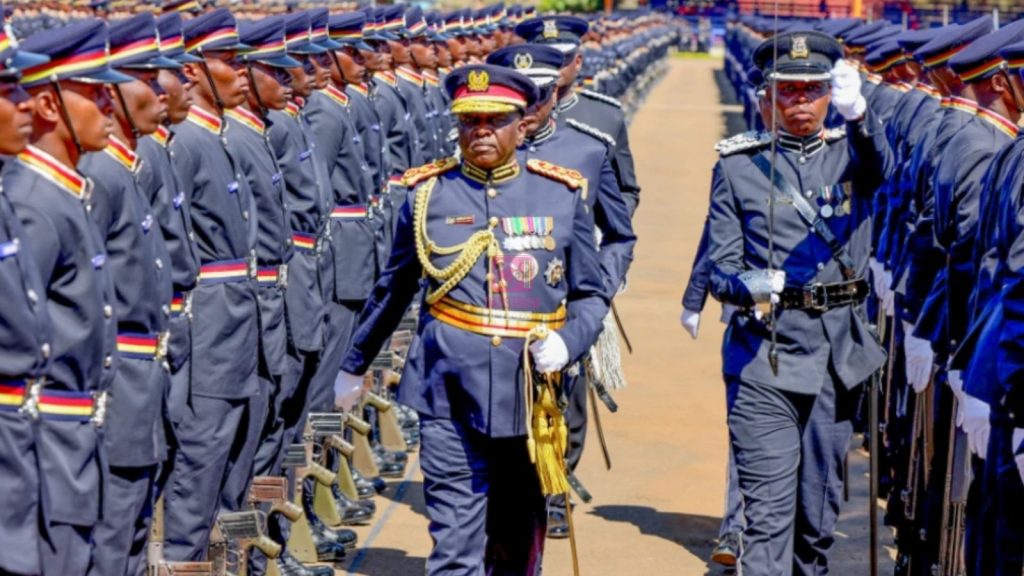
“We have been using the blue, the deep blue one, so we have just reverted back to the one that was agreed upon,” Kanja said during preparations for the passing-out parade.
The Inspector General said he would also begin wearing the new uniform from Monday as the National Police Service moves to implement the change.
Why the police uniform is changing
The decision follows consultations conducted in 2023, when police officers were asked for their views on the uniform they use during their daily duties.
According to Kanja, officers rejected the deep navy-blue outfit and supported a return to a previously agreed design.
The move is therefore being presented by police leadership as a response to feedback from officers rather than simply a cosmetic change.
The current deep-blue uniform has been used for several years, making the planned change one of the most visible alterations to the Kenya Police Service’s public appearance in recent times.
The new uniform will not immediately replace the existing attire across every branch of the National Police Service.
Kanja said the initial rollout will focus on General Duty officers in the Kenya Police Service, with distribution continuing in phases over the coming weeks.
Officers serving in the Administration Police Service and General Service Unit will retain their current uniforms for now.
This means Kenyans will see different police uniforms being used simultaneously as the new attire is gradually distributed.
The phased approach is expected to allow the service to transition to the new design while ensuring officers receive the required uniforms.
Kanja has linked the uniform change to police morale and service delivery.
He described the new attire as a potential “force multiplier,” particularly in boosting the confidence and morale of newly recruited officers.
The argument is that the appearance and working conditions of officers can influence their sense of professionalism and identity while carrying out their duties.
For the thousands of recruits graduating at Kiganjo, the new uniform will therefore become part of their first official experience as members of the country’s police service.
More than 6,000 recruits graduate
The uniform unveiling comes as the National Police Service prepares to welcome more than 6,000 newly trained constables.
Kanja inspected preparations at Kiganjo on Tuesday ahead of Friday’s passing-out parade, including a full-dress rehearsal involving the recruits.
The recruits will join the police service at a particularly important time, with Kenya approaching the 2027 General Election.
Kanja has warned the graduating officers against engaging in criminal activities or acting at the direction of individuals, stressing professionalism and adherence to the law as they begin their careers.
The timing of the uniform rollout is significant.
With the country heading towards the 2027 elections, the National Police Service is likely to face heightened public scrutiny over its conduct, professionalism and impartiality.
The new uniform will consequently be more than a change in colour or design. It will become part of the public image of officers deployed across the country during an increasingly politically sensitive period.
Kanja’s emphasis on discipline among the new recruits suggests that police leadership is also seeking to reinforce professional standards as the officers enter service.
For police leadership, the change represents responsiveness to officers’ concerns and an opportunity to improve morale.
For the public, however, the uniform will inevitably be judged alongside the conduct of the officers wearing it.
A new appearance can provide a visible symbol of change, but its impact will ultimately depend on whether it is accompanied by improvements in professionalism, accountability and service delivery.
The Friday unveiling at Kiganjo will therefore attract attention not only because of the new design but because it marks the beginning of a broader transition within the Kenya Police Service.
From Monday, August 31, the first general-duty officers will begin reporting for duty in the new attire.
As the rollout expands in the weeks that follow, the new uniform is set to become a familiar sight on Kenyan streets signalling a fresh chapter in the appearance of the country’s police force while placing renewed attention on the standards expected from those who wear it.